
Marine Resilience: Restoring Coral Reefs, Mangroves, and Seagrasses After Environmental Disasters
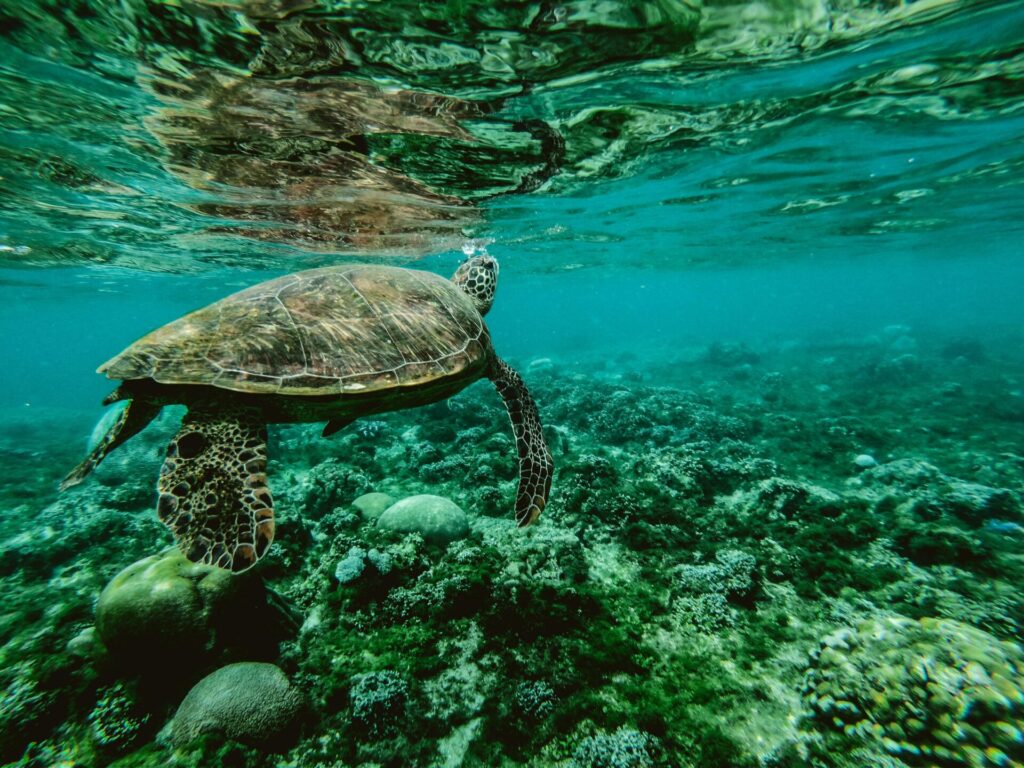
The ocean is more than just a vast body of water; it is a living system that sustains life on Earth. When disasters strike—oil spills, chemical leaks, hurricanes, or the creeping impact of climate change—marine habitats often bear the brunt of the damage. Among the most vulnerable yet vital ecosystems are coral reefs, mangroves, and seagrasses, three interconnected habitats that form the backbone of coastal resilience. Their restoration after environmental disasters is not just about repairing nature, but about safeguarding the livelihoods, cultures, and futures of millions who depend on them.
Why Marine Resilience Matters
The concept of resilience in marine science refers to the ability of an ecosystem to absorb disturbances, recover from them, and continue to provide essential services. For coral reefs, mangroves, and seagrasses, this resilience translates into protection from storm surges, nurseries for fish and marine life, carbon storage, and a buffer against erosion. When disasters disrupt these systems, communities lose not only biodiversity but also natural defenses that keep them safe.
Marine resilience is deeply tied to human resilience. Fishing villages rely on reefs for their catch, coastal towns rely on mangroves to break waves during hurricanes, and global climate stability depends on seagrasses that sequester carbon at remarkable rates. The urgency to restore these habitats after environmental disasters stems from this intricate web of connections. Without them, recovery for both nature and humanity is delayed, if not impossible.

The Fragile Beauty of Coral Reefs
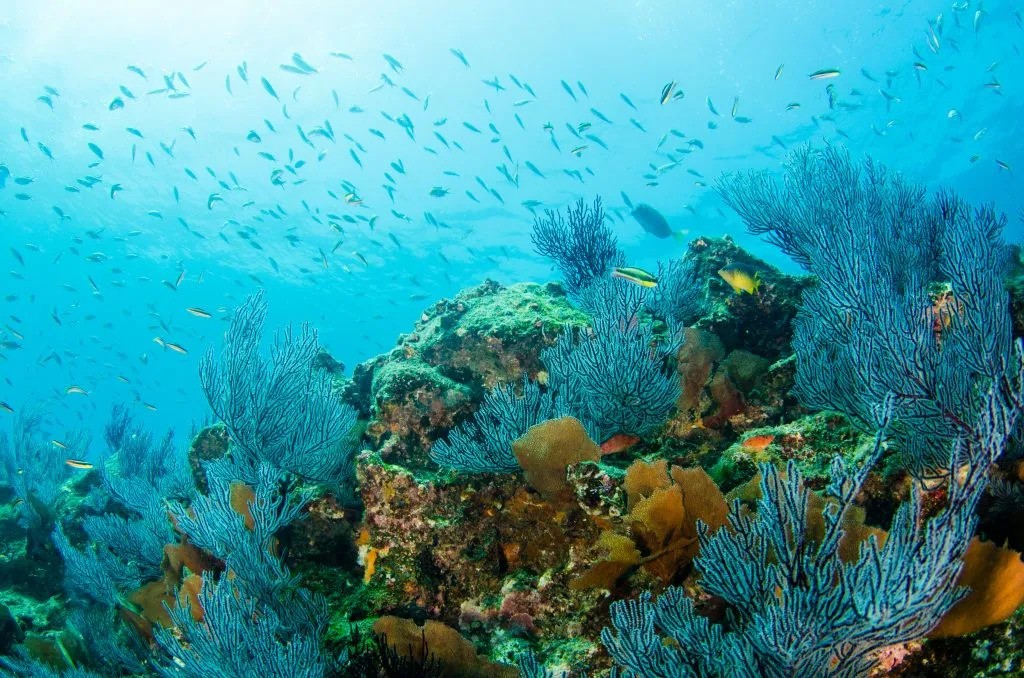
Coral reefs are often called the rainforests of the sea. Despite covering less than one percent of the ocean floor, they support an estimated 25 percent of marine species. Their vulnerability, however, is stark. Oil spills can smother corals in toxic sludge, hurricanes can physically shatter reef structures, and rising ocean temperatures trigger bleaching events that leave reefs ghostly white.
Restoration efforts for coral reefs after disasters involve both natural recovery and human intervention. Scientists have developed methods such as coral gardening, where fragments of healthy corals are grown in underwater nurseries and later transplanted back to damaged reefs. Another promising approach is assisted evolution, in which resilient coral strains are selectively bred to withstand higher temperatures. Communities are also becoming involved in monitoring reef health, ensuring that restoration is not just a scientific endeavor but a shared responsibility.
The resilience of coral reefs is not infinite. They require long-term stewardship, reduced pollution, and decisive climate action. Still, the growing success stories—from the Great Barrier Reef to small community-led projects in the Caribbean—demonstrate that with commitment, reefs can rebound and continue to dazzle with their beauty and ecological importance.
The Silent Guardians: Mangrove Forests
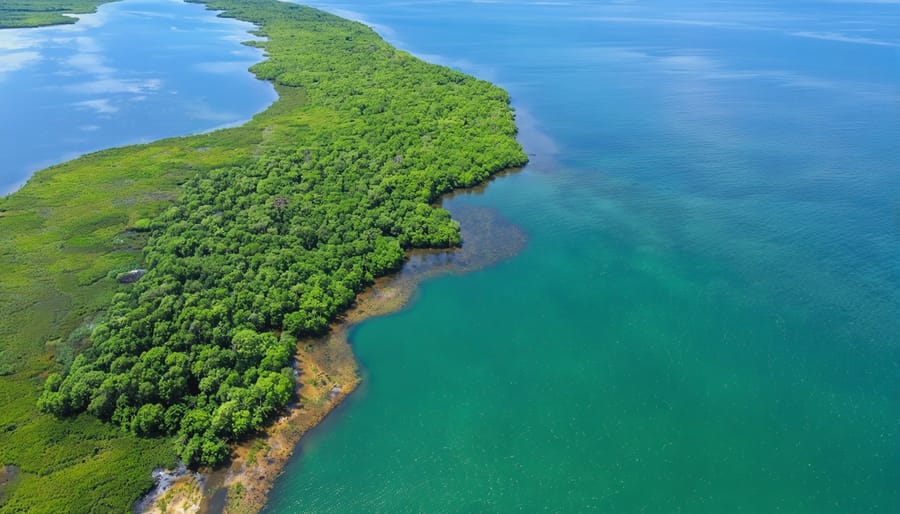
Mangroves are perhaps the unsung heroes of coastal protection. These unique trees, with their tangled roots, thrive in the brackish zones where land meets sea. They are natural storm barriers, dissipating wave energy and preventing erosion. Beyond that, mangroves are powerhouses of carbon storage, locking away carbon in their dense soils for centuries.
When disasters hit, mangroves often shield human settlements, but the cost can be severe damage to the forests themselves. Oil spills coat their roots, suffocating the trees, while cyclones can uproot large swaths of these coastal guardians. The loss of mangroves is not just ecological—it is personal for communities that depend on them for food, fuel, and storm protection.
Restoring mangroves requires patience and local knowledge. Planting mangrove saplings is a common method, but success depends on understanding tidal patterns, sediment dynamics, and species selection. In some regions, natural regeneration is encouraged by simply removing barriers that prevent mangroves from recolonizing their habitats. Community-led projects have been particularly effective, as people living alongside mangroves are often the most invested in their survival.
Mangrove restoration also intersects with justice. Many of the regions where mangroves exist are home to vulnerable coastal populations in developing countries. Supporting these communities through restoration not only repairs ecosystems but strengthens resilience against future disasters. The intertwining of human dignity with ecological restoration makes mangroves one of the most critical habitats to protect.
Seagrasses: The Hidden Carbon Sinks
Seagrass meadows rarely capture headlines, yet their importance rivals that of coral reefs and mangroves. These underwater plants stabilize sediments, filter pollutants, and provide habitat for species ranging from sea turtles to juvenile fish. Most critically, seagrasses are efficient carbon sinks, storing up to 35 times more carbon per hectare than tropical rainforests.
Disasters take a heavy toll on seagrasses. Oil spills can poison their blades, hurricanes can uproot vast stretches, and coastal development often smothers them under dredged material. Once lost, seagrasses are slow to recover, as they rely on delicate root systems and specific water quality conditions.
Restoration projects often involve replanting seagrass shoots or seeds, sometimes using innovative techniques like biodegradable mats to anchor them in place. Success is measured not just by plant survival but by the return of the wildlife that depends on them. In places like Florida and the Mediterranean, dedicated restoration has revived once-barren seabeds into thriving meadows again.
Seagrass restoration carries global significance. By helping these meadows recover, we are not only restoring habitat but also combating climate change through enhanced carbon sequestration. This dual role makes them an essential part of marine resilience in an era of escalating environmental disasters.
The Interconnected Web of Restoration
One of the most fascinating aspects of restoring coral reefs, mangroves, and seagrasses is how interconnected these ecosystems are. A healthy mangrove forest traps sediments that would otherwise smother seagrasses. Thriving seagrass beds, in turn, filter water that nourishes coral reefs. Coral reefs provide calm waters that allow mangroves and seagrasses to flourish along shorelines. When one is restored, it strengthens the resilience of the others.
This interconnectedness means that restoration cannot happen in silos. Projects that take a holistic view—addressing the full coastal ecosystem—are often the most successful. Integrating local communities, governments, and scientists into this process ensures that restoration is sustainable and culturally relevant. It is not enough to plant corals or mangroves; the surrounding threats of pollution, overfishing, and unchecked development must also be managed.
The Role of Technology and Innovation
Modern restoration is increasingly supported by technology. Drones map damaged areas, underwater robots monitor reef recovery, and satellite data provides insights into large-scale ecosystem health. Artificial reefs made from eco-friendly materials offer new habitats for marine life while damaged coral recovers. Genetic research is opening doors to more resilient strains of corals and seagrasses, potentially giving nature a helping hand against the pressures of climate change.
However, technology alone cannot solve the problem. Restoration efforts succeed when technology meets traditional knowledge, when innovation is paired with the wisdom of communities that have lived alongside these habitats for centuries. Indigenous practices of coastal stewardship, often overlooked, hold valuable lessons in sustainable coexistence.
The Human Connection to Marine Restoration
At its core, restoring marine habitats is about more than just biodiversity—it is about people. Fishermen in the Philippines rebuilding mangroves after typhoons, divers in the Maldives planting corals to restore reefs for tourism and food security, volunteers in Florida replanting seagrass meadows: these stories highlight how restoration is deeply tied to identity, culture, and survival.
There is also an emotional dimension to marine restoration. The sight of a reef recovering its colors, the return of fish to seagrass meadows, or the first mangrove seedlings taking root after a storm carries a profound sense of hope. In a world often overwhelmed by environmental bad news, these successes serve as powerful reminders of nature’s resilience when given a chance.
Looking Ahead: Building a Future of Resilient Oceans
The road to fully restoring coral reefs, mangroves, and seagrasses after environmental disasters is long and challenging. Climate change continues to push these ecosystems to their limits, and disasters are becoming more frequent and intense. Yet, there is reason for optimism. Scientific advances, growing global awareness, and grassroots movements are combining to create unprecedented momentum for marine restoration.
The future of marine resilience will depend on collaboration. Governments must prioritize policies that protect these ecosystems, industries must reduce their environmental footprint, and communities must remain active stewards of their coastal environments. International cooperation, particularly in funding and knowledge-sharing, will also be essential.
Ultimately, restoring marine habitats after disasters is not simply about returning them to a former state. It is about making them stronger, more adaptable, and more resilient in the face of a changing world. Coral reefs that can withstand warmer seas, mangroves that are expanded to buffer more coasts, and seagrass meadows restored as carbon vaults are not just ecological triumphs—they are investments in humanity’s shared future.
Conclusion
Marine resilience is a testament to the interconnectedness of life. Coral reefs, mangroves, and seagrasses stand as living symbols of nature’s ability to endure and recover, even after catastrophic harm. Their restoration after environmental disasters is both a scientific pursuit and a moral duty, reminding us that in healing the ocean, we also heal ourselves.
The task is immense, but so too is the reward: thriving coasts, vibrant biodiversity, and a planet better equipped to face the challenges ahead. The story of marine restoration is still being written, and with each coral fragment planted, each mangrove seedling nurtured, and each seagrass meadow revived, we take another step toward a resilient ocean and a hopeful future.