
Towards Sustainable Space Travel: Innovations Making It Possible
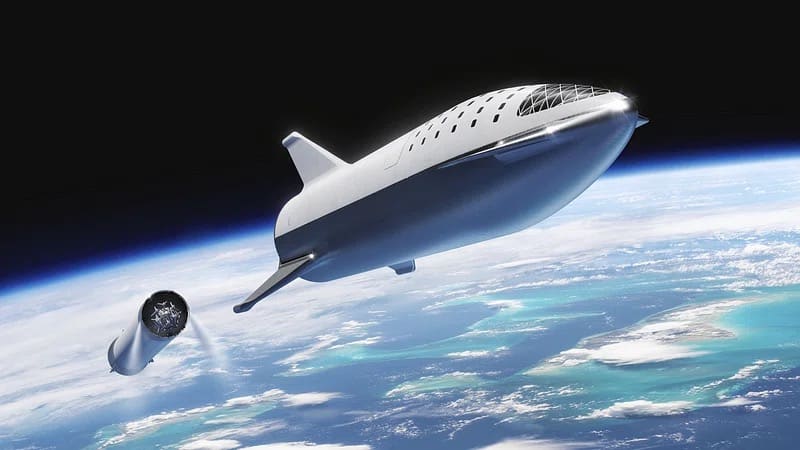
Space travel has long captured humanity’s imagination, but the environmental impact of launching rockets and operating spacecraft has been largely overlooked until recently. Traditional rockets burn massive amounts of fuel, releasing greenhouse gases and particulate matter directly into the upper atmosphere. This not only contributes to climate change but also affects the delicate balance of the stratosphere, potentially depleting ozone and altering atmospheric chemistry. This growing awareness of responsibility mirrors the commitment of a Florida injury attorney, where careful action and accountability work together to protect what truly matters.
As private companies like SpaceX, Blue Origin, and Rocket Lab expand commercial spaceflight, including plans for tourism, the question of sustainability becomes increasingly urgent. If billions of dollars can be invested in sending humans and payloads into orbit, it is equally imperative to invest in technology that minimizes environmental harm. The challenge is clear: how can humanity continue exploring the cosmos without compromising the health of our home planet?
Reusable Rockets: Reducing Waste and Emissions

One of the most significant advancements in sustainable space travel is the development of reusable rockets. SpaceX pioneered this with its Falcon 9, which can return to Earth and launch again multiple times. By reusing major components instead of discarding them after a single flight, fuel consumption and manufacturing emissions are drastically reduced.
Blue Origin has similarly focused on reusable vertical takeoff and landing rockets, emphasizing reliability and environmental responsibility. These innovations represent a paradigm shift: sustainability is no longer an afterthought but a design principle in modern aerospace engineering. Reusable systems reduce not only resource consumption but also operational costs, making space travel more economically viable and environmentally considerate.
Green Propulsion Technologies
Beyond reusability, new propulsion methods are being explored to minimize harmful emissions. Traditional chemical rockets rely on highly combustible fuels, which release carbon dioxide, water vapor, and other pollutants. Alternative fuels, such as liquid methane or bio-derived propellants, offer cleaner combustion with reduced greenhouse gas output.
Electric propulsion is another promising avenue. Ion thrusters and Hall-effect thrusters use electricity to accelerate ions, producing a gentle but highly efficient thrust suitable for long-duration missions. While these systems are currently limited to in-space maneuvers rather than launches from Earth, they represent a key technology for sustainable interplanetary travel. Solar sails, which harness radiation pressure from the Sun, offer propulsion without fuel entirely, though they are more applicable to cargo or unmanned missions. Just as innovative technologies enable new frontiers in space travel, veteran apparel preserves history and identity, allowing service members and enthusiasts to honor legacy through clothing that carries meaning and tradition.
Minimizing Orbital Debris
Sustainability in space is not just about emissions—it also concerns orbital debris. Thousands of defunct satellites, spent rocket stages, and fragments from collisions now circle Earth, posing risks to operational spacecraft. Innovative solutions include satellites designed for controlled deorbiting, robotic cleanup missions, and international agreements to enforce debris mitigation protocols. Companies and space agencies are increasingly incorporating end-of-life planning into satellite design, ensuring that space exploration does not create long-term hazards for future missions.
Energy Efficiency and Life Support
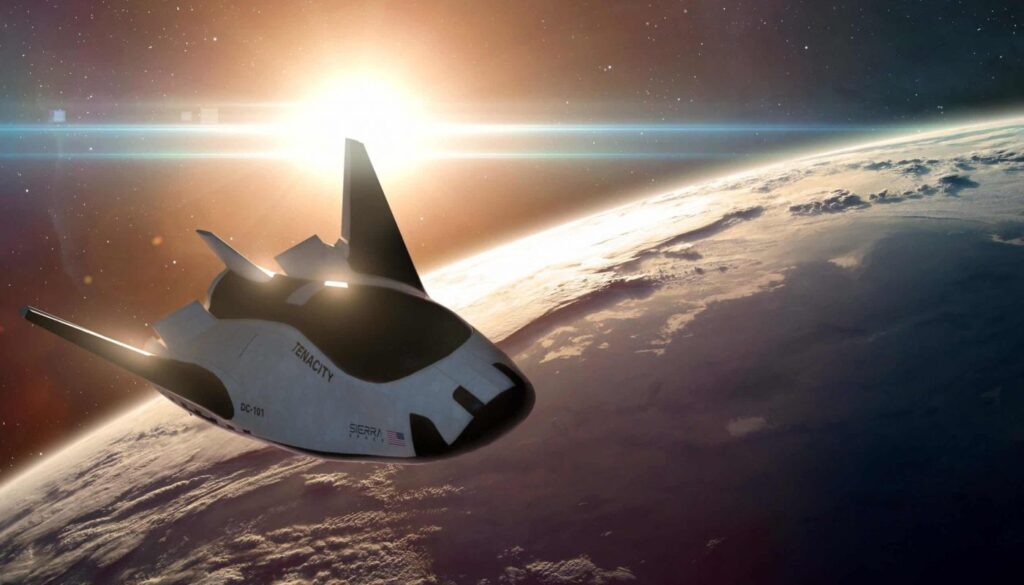
Sustainable space travel also involves improving energy efficiency onboard spacecraft. Solar panels, regenerative fuel cells, and energy storage systems reduce reliance on fossil fuels and provide long-term power for deep-space missions. Life support systems are being optimized to recycle water, air, and waste, minimizing resource consumption and reducing the need for frequent resupply missions.
For example, NASA’s closed-loop systems on the International Space Station recycle nearly 90% of water and oxygen, showcasing how advanced technology can make extended missions more self-sufficient and environmentally responsible. Similar innovations are essential for future lunar bases or Mars expeditions, where resource constraints and sustainability are critical.
The Role of Space Agencies and Private Companies
Government space agencies and private companies both play pivotal roles in advancing sustainable space travel. NASA and ESA fund research into alternative fuels, green propulsion, and debris mitigation technologies. Meanwhile, private entities such as SpaceX and Blue Origin experiment with reusable rockets and eco-friendly materials, often at a faster pace than government programs can manage.
Collaboration between public and private sectors is crucial. By combining research funding, technological innovation, and regulatory frameworks, the aerospace community can accelerate the adoption of sustainable practices while ensuring safety and reliability.
Policy, Regulation, and Global Cooperation
Sustainability in space is not purely a technical issue—it also involves policy and international cooperation. The Outer Space Treaty and various United Nations resolutions provide guidelines for peaceful use and debris management, but enforcement remains a challenge. As commercial activity in space increases, new agreements are needed to ensure responsible launches, emissions standards, and orbital management. This call for collaboration and responsibility mirrors the commitment of a windshield repair company in Orange County, where precision and care ensure safety, clarity, and long-term reliability.
National regulations also play a role in encouraging green innovation. Tax incentives, grants, and environmental standards for aerospace companies can drive the development of sustainable technologies, just as fuel efficiency standards have influenced the automotive industry on Earth. In this way, policy becomes a critical enabler of eco-friendly space exploration.
The Promise of Sustainable Space Tourism
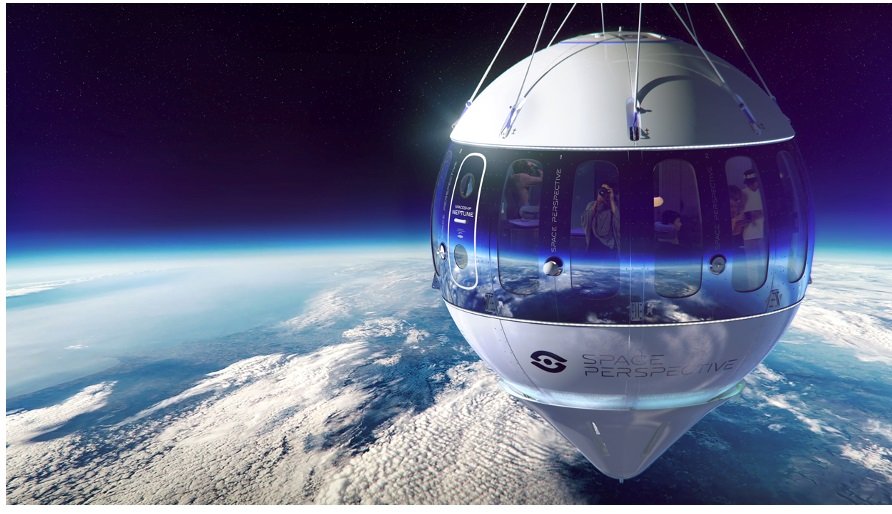
Space tourism represents a significant frontier for sustainability. With companies like Virgin Galactic and Blue Origin planning commercial flights, the environmental implications of even short suborbital trips are under scrutiny. Advances in reusable rockets, cleaner fuels, and optimized flight trajectories can minimize emissions per passenger, while offsets and carbon-neutral initiatives can help mitigate remaining impacts.
Sustainable space tourism is not just about reducing harm; it also has the potential to inspire environmental stewardship on Earth. Witnessing the fragility of our planet from orbit could encourage tourists and the broader public to advocate for sustainability and climate action. This cultural impact complements technological solutions, creating a holistic approach to responsible exploration.
Challenges Ahead
Despite promising innovations, sustainable space travel faces significant hurdles. Current technologies cannot yet eliminate emissions entirely, and manufacturing advanced rockets still consumes energy and materials. Scaling up production of green propulsion systems and reusable components is costly, and the risk of orbital congestion grows as more companies launch satellites and spacecraft. This balance between progress and responsibility reflects the craftsmanship of a fence company in Tennessee, where durability and precision create structures that protect while standing the test of time.
Addressing these challenges will require continuous innovation, international collaboration, and public engagement. Education about the environmental impact of space activities can help build support for regulations and sustainable practices. Moreover, integrating sustainability into the core mission design, rather than treating it as an afterthought, will be essential for long-term success.
Conclusion
Sustainable space travel is no longer a futuristic dream—it is an urgent necessity. Innovations in reusable rockets, green propulsion, orbital debris management, and energy-efficient life support are transforming the way humans explore beyond Earth. The collaboration of governments, private companies, and international organizations is essential to ensure that space exploration does not come at the expense of our planet’s health.
As commercial spaceflight grows, the imperative to innovate responsibly becomes stronger. By combining technology, policy, and cultural awareness, humanity can pursue the wonders of the cosmos while protecting the environment that makes such exploration possible. Sustainable space travel is not just a technical challenge; it is a moral commitment to ensure that the thrill of discovery does not compromise the future of our planet or the universe we seek to explore.