
From Shards to Sustainability: How Glass Recycling Fuels Environmental Restoration

Glass is one of the most enduring materials humans have ever created. Its clarity, durability, and versatility have made it a staple in our daily lives—from beverage bottles to windows, from laboratory equipment to art installations. Yet, despite its beauty and utility, glass carries an environmental burden when discarded carelessly. Millions of tons of glass waste end up in landfills every year, where it can take thousands of years to decompose. But what if the story of glass didn’t have to end in a landfill? What if each shattered bottle, broken jar, or discarded window could instead become a tool for restoring nature and nurturing ecosystems back to life? This is where glass recycling becomes more than a sustainability measure—it becomes a bridge between human consumption and environmental restoration.
The Lifecycle of Glass: From Consumption to Waste
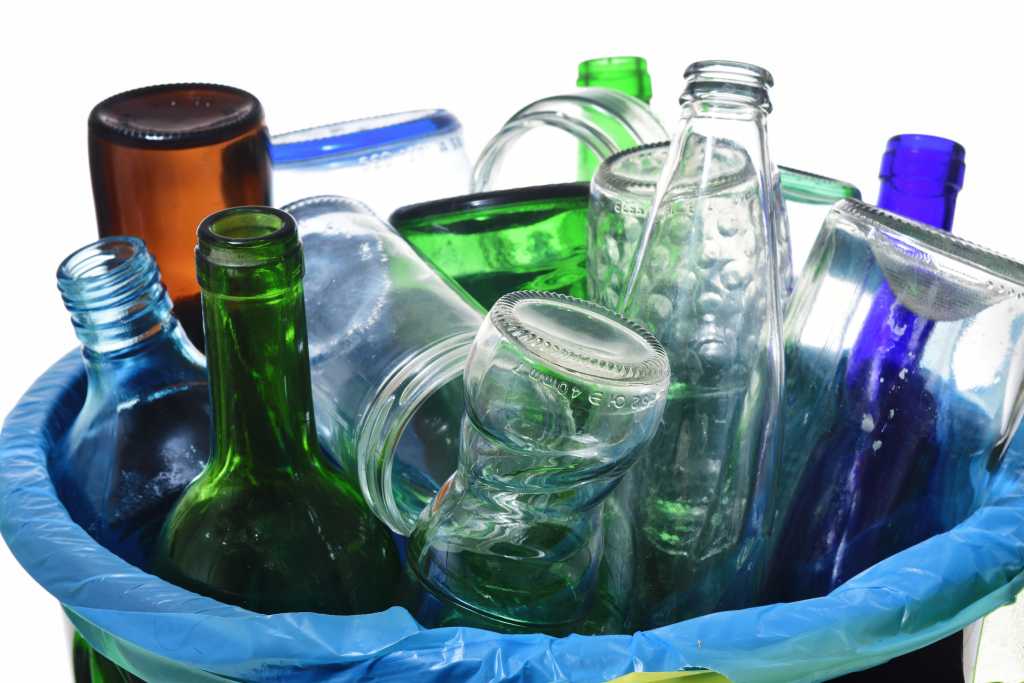
To understand the transformative potential of glass recycling, it’s essential to examine the material’s lifecycle. Unlike plastic, glass is made primarily from natural materials such as sand, soda ash, and limestone. Its production is energy-intensive, but the advantage lies in its infinite recyclability. A glass bottle can be melted down and reformed endlessly without losing its quality. Despite this, global recycling rates for glass lag behind potential. Millions of tons of glass are discarded each year, often ending up in landfills where they contribute to soil and water contamination.
The environmental impact of unmanaged glass waste extends beyond aesthetics. Sharp shards can harm wildlife, while chemical residues from colored or treated glass can seep into soil and groundwater. Even worse, discarded glass fragments can alter local ecosystems, creating barriers for plant growth or disrupting nesting areas for small animals. In this light, the act of recycling glass is no longer just about waste management—it is a critical intervention for ecosystem health.
Glass Recycling: The First Step Toward Restoration
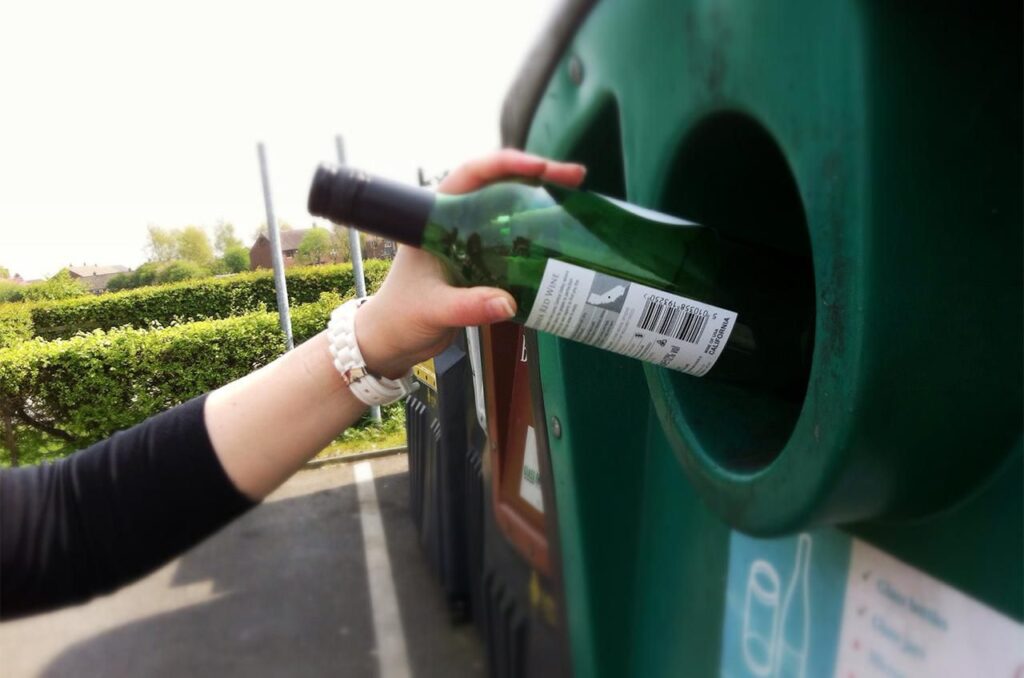
Recycling glass is a deceptively simple process with profound environmental consequences. The steps involve collecting used glass, cleaning it to remove impurities, and then melting it to form new products. What makes this process revolutionary is that it saves raw materials, reduces energy consumption, and decreases greenhouse gas emissions. Producing glass from recycled materials uses about 30% less energy than manufacturing from raw ingredients. In other words, every bottle recycled is a small but significant step toward reducing humanity’s ecological footprint.
But the benefits extend far beyond carbon reduction. By diverting glass from landfills, we reduce the pressure on terrestrial ecosystems that would otherwise be burdened by waste accumulation. Recycling also creates an economic incentive for sustainable behavior. Communities that invest in glass collection and recycling programs often see a multiplier effect: cleaner streets, better soil quality, and increased public awareness about environmental stewardship. In this way, recycling acts as a catalyst for holistic ecological restoration.
Turning Waste into Opportunity: Glass in Environmental Projects
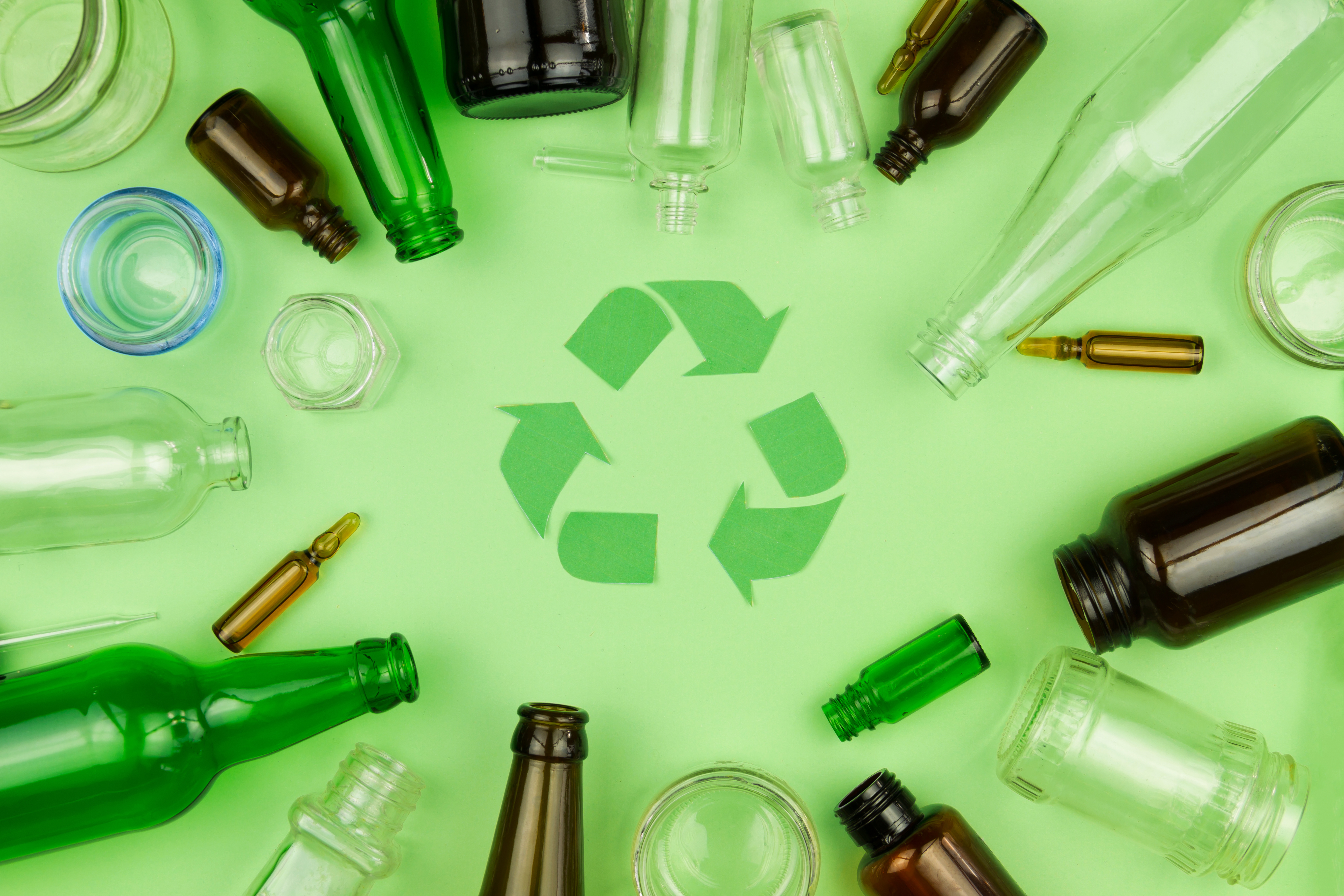
One of the most fascinating aspects of glass recycling is its potential to contribute directly to environmental restoration projects. Crushed glass, sometimes called cullet, can be repurposed in innovative ways. In landscaping and soil amendment, finely ground glass can improve drainage, aeration, and soil structure. It can act as a substitute for sand in construction projects that aim to minimize environmental impact, reducing the need to mine natural sand from riverbeds—a practice that can devastate aquatic habitats. Some coastal restoration projects even use recycled glass to stabilize dunes and prevent erosion, allowing native vegetation to reestablish naturally.
Furthermore, artists and designers have begun to incorporate recycled glass into urban green spaces. Glass tiles, mosaics, and sculptures made from post-consumer glass add aesthetic value while symbolizing a community’s commitment to sustainability. These artistic applications are more than decorative; they serve as educational tools, inspiring citizens to recognize the link between human consumption and ecosystem health. In this sense, glass recycling transcends its mechanical process and becomes a medium through which society reconnects with nature.
The Role of Technology in Maximizing Impact
Recent advances in technology have expanded the potential of glass recycling to fuel environmental restoration. Modern sorting machines use optical sensors to differentiate glass by color and type, increasing the efficiency and purity of recycled material. Automated crushing and melting technologies reduce energy consumption, making recycled glass more cost-competitive with virgin materials. Some innovative companies are exploring the use of recycled glass in high-performance concrete and asphalt, further embedding sustainability into the infrastructure of cities.
Even more exciting are experiments in integrating recycled glass into soil remediation and habitat creation. In areas affected by industrial pollution, crushed glass can be blended with other materials to stabilize heavy metals, preventing them from leaching into groundwater. Recycled glass can also be used to create artificial reefs, where its textured surfaces provide attachment points for coral and marine organisms. These interventions highlight a powerful truth: when used thoughtfully, glass waste can actively regenerate ecosystems rather than degrade them. These regenerative possibilities echo the practical ingenuity seen in makers of warm veteran clothing, who transform durable materials into tools that genuinely support resilience.
Community Engagement: Building a Culture of Restoration
Technology alone cannot unlock the full potential of glass recycling for environmental restoration. Community engagement is equally crucial. Local initiatives that encourage glass collection, creative reuse, and educational outreach foster a culture of environmental responsibility. Schools, civic organizations, and municipal programs that emphasize the connection between recycling and ecosystem health can transform ordinary citizens into active stewards of the planet.
Events like community clean-ups, glass art workshops, and urban gardening projects create tangible connections between recycling practices and environmental outcomes. When people see shattered bottles transformed into playgrounds, sculptures, or soil amendments, the abstract concept of sustainability becomes concrete and emotionally resonant. This sense of agency encourages further action, creating a virtuous cycle in which consumption, recycling, and restoration reinforce each other.
Global Examples of Glass Recycling and Restoration
Around the world, there are inspiring examples of communities and organizations leveraging glass recycling to restore natural environments. In Europe, countries like Germany and the Netherlands have implemented highly efficient glass collection systems, diverting vast amounts of waste from landfills and reinvesting cullet into new products. Some municipalities use crushed glass in public parks and playgrounds, providing a sustainable alternative to imported sand and gravel.
In the United States, coastal restoration projects in California and Florida have experimented with using recycled glass to prevent beach erosion and restore wetlands. Nonprofit organizations also employ recycled glass in community gardening initiatives, where it improves soil quality while educating participants about circular economy principles. In Asia, innovative startups are creating modular building materials from post-consumer glass, reducing the extraction of natural resources and simultaneously supporting urban green spaces.
These global examples demonstrate that glass recycling is not merely an industrial process—it is a versatile tool for ecological regeneration. By integrating recycled glass into restoration efforts, societies can simultaneously address waste management, resource conservation, and biodiversity protection.
Challenges and Opportunities
Despite its potential, glass recycling faces challenges that must be addressed to maximize its impact on environmental restoration. Contamination remains a major obstacle; glass mixed with ceramics, metals, or plastics can reduce the efficiency of recycling processes. Logistical challenges, such as collection infrastructure and transportation costs, can limit access in rural or underfunded areas. Furthermore, public awareness about the ecological benefits of recycling is often low, leading to inconsistent participation rates.
Yet each challenge represents an opportunity. Innovations in sorting technology, policy incentives, and community education can dramatically increase recycling rates. For example, deposit-return schemes for glass bottles have proven highly effective in Europe, encouraging consumers to return containers for reuse or recycling. Partnerships between governments, businesses, and nonprofits can create integrated systems that transform glass from waste into a resource that actively supports environmental restoration.
The Bigger Picture: Circular Economy and Ecosystem Health
Ultimately, the story of glass recycling is part of a larger narrative about the circular economy and our relationship with the natural world. Recycling glass exemplifies a shift from linear consumption—take, make, dispose—to circular thinking, where materials are continually reintegrated into productive cycles. This shift is not merely economic; it is ecological. By ensuring that materials remain in circulation, we reduce the pressure on raw resources, mitigate pollution, and create conditions for ecosystems to thrive.
Glass recycling also underscores a philosophical point: sustainability is not just about reducing harm—it is about actively restoring balance. Each recycled bottle, each repurposed shard, is a statement that humans can live in harmony with the natural world rather than in opposition to it. It embodies the idea that even small actions, when multiplied across communities and nations, can drive meaningful change.
Conclusion
From shards to sustainability, glass recycling illustrates a remarkable journey from waste to restoration. It transforms discarded material into a tool for ecological regeneration, connecting human behavior to tangible environmental outcomes. Through technological innovation, community engagement, and creative applications, recycled glass can support soil health, prevent erosion, restore marine habitats, and inspire cultural shifts toward sustainability.
The potential of glass recycling extends far beyond energy savings or landfill reduction. It represents a practical, scalable, and emotionally resonant path toward environmental restoration. Each bottle returned, each fragment repurposed, is a small act of repair—not just for the planet, but for our collective relationship with nature. By embracing glass recycling as a tool for restoration, humanity can demonstrate that even the most mundane materials have the power to shape a greener, healthier, and more sustainable world.