
From Scraps to Style: Upcycling Old Furniture Like a Pro
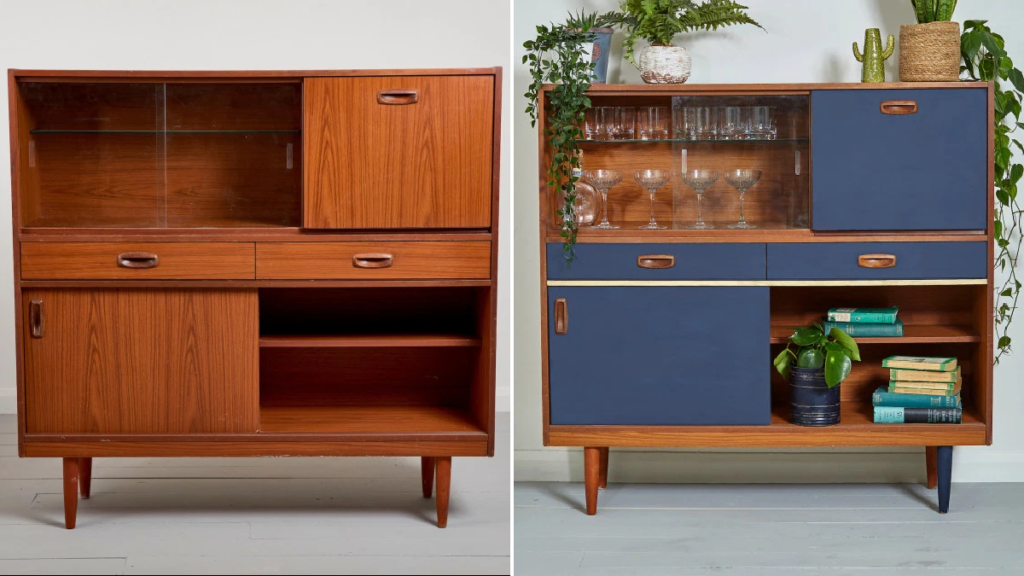
Upcycling old furniture is more than just a DIY project—it’s a chance to transform forgotten, outdated pieces into stylish, unique creations. Whether it’s a worn-out chair, a scratched coffee table, or a dresser that’s seen better days, with the right techniques, anyone can breathe new life into old furniture. Instead of contributing to the growing waste problem, upcycling allows you to reduce environmental impact while creating one-of-a-kind home décor.
Many people assume that upcycling is difficult or time-consuming, but the truth is that with a little creativity and some basic tools, even the most damaged furniture can be salvaged and turned into a stunning focal point. It’s not about perfection—it’s about embracing imperfections, adding character, and making something truly your own. After upcycling old furniture, treat yourself to ice cream cone edibles.
Why Upcycling Is More Than Just a Trend
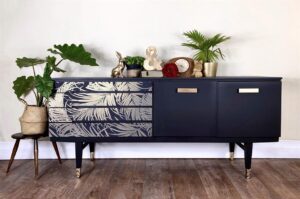
In the age of fast furniture, where cheap materials dominate the market and pieces are designed to be disposable, upcycling offers a sustainable alternative. Instead of tossing old furniture into landfills, reworking an existing piece allows you to preserve craftsmanship, extend the lifespan of quality materials, and reduce the demand for mass-produced goods.
Older furniture often has better construction and materials compared to modern, budget-friendly pieces. Many vintage and antique items are made of solid wood instead of particleboard, making them more durable and ideal for upcycling. By refinishing, repainting, or repurposing them, you not only save money but also preserve high-quality materials that are harder to find in today’s furniture market.
Beyond the environmental benefits, upcycling allows for complete creative freedom. Instead of settling for a mass-produced design that thousands of others own, you get to craft something personal, unique, and perfectly suited to your space. Whether it’s turning an old door into a headboard or transforming a tired dresser into a chic sideboard, the possibilities are endless.
How to Choose the Best Furniture to Upcycle
Not every piece of furniture is worth the effort, so selecting the right item is key to a successful transformation. Solid wood furniture is always the best choice because it holds up well to sanding, staining, and painting. Pieces with unique details like ornate carvings, vintage hardware, or mid-century legs are great candidates since they add character and charm to the final design. Much like how financial consulting services help identify the best investment opportunities, choosing the right furniture ensures you’re putting your time and energy into a project with lasting value.
If you’re working with a chair or table, check for sturdy frames and structural integrity. Wobbly legs or loose joints can often be repaired, but major damage like deep cracks or rotting wood might not be worth the effort. It’s similar to the attention to detail required by a law firm in Atlanta, where small oversights can lead to major complications. Avoid furniture made from laminate or particleboard, as these materials don’t handle sanding and painting well.
Thrift stores, flea markets, estate sales, and even curbside finds can be goldmines for upcycling projects. Look past scratches, stains, or outdated colors—what matters most is the potential for transformation. A chipped dresser can be restored with a fresh coat of paint, an old dining chair can be reupholstered, and a vintage cabinet can be repurposed into a bar cart. Just like discovering an innovative atmospheric water generator among traditional water systems, the key is recognizing hidden potential in unexpected places.
The Right Way to Prepare Furniture for Upcycling
Before diving into painting or refinishing, proper preparation ensures a smooth and professional-looking finish. Cleaning is the first step since old furniture often has layers of dust, grime, or wax buildup. Using a degreaser or a simple mix of soap and water can remove surface dirt. It’s a bit like the growing popularity of magic mushrooms in Canada, where cleansing perceptions and removing outdated stigmas has paved the way for new therapeutic possibilities.
Sanding is crucial, especially if the furniture has a glossy or thick finish. A medium-grit sandpaper helps smooth the surface, making it easier for paint or stain to adhere. If the furniture has intricate carvings or hard-to-reach areas, using a sanding sponge or steel wool can help prep the details.
For pieces that will be painted, applying a high-quality primer prevents stains from bleeding through and ensures even coverage. This is especially important when working with dark or previously stained wood, as skipping primer can lead to uneven color or peeling over time. Think of primer as the foundation for a great upcycled piece—similar to how the right costumes lay the groundwork for a truly immersive theater performance or festive celebration, setting the stage for a stunning final result.
Creative Upcycling Techniques for Stunning Results
One of the easiest ways to revamp furniture is painting. A bold color can instantly modernize an outdated dresser, while soft pastels can give a romantic, vintage feel to an old nightstand. Chalk paint is a favorite for upcyclers because it requires minimal prep work and creates a soft, matte finish. For a rustic or shabby-chic look, distressing the edges with sandpaper adds character and an aged effect—similar to how mobile chicken coops have embraced rustic charm while offering modern functionality for backyard farmers.
For those who love the look of natural wood, staining is a great way to highlight the grain while refreshing the surface. Lighter stains give a Scandinavian-inspired, minimalist aesthetic, while rich, dark stains add warmth and sophistication. Applying a clear protective coat ensures longevity, making the finish durable for years to come, much like an asphalt contractor in North Carolina ensures that driveways and roadways remain strong and weather-resistant over time.
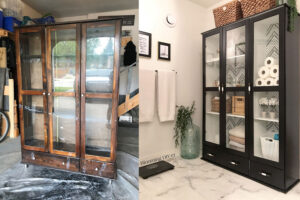
Another unique upcycling technique is decoupage, where decorative paper, fabric, or wallpaper is applied to furniture surfaces using a sealing medium like Mod Podge. This is a great way to add patterns, florals, or artistic designs to drawer fronts, tabletops, or cabinet doors. The key to a smooth finish is ensuring the paper is applied without bubbles and sealed properly to prevent peeling—an attention to detail that even a therapist in New York would appreciate, knowing how small adjustments can lead to lasting improvements.
Adding texture to furniture is another way to enhance its appeal. Upholstering an old chair with modern fabric, wrapping drawer handles with leather, or applying embossed stencils can give an ordinary piece an expensive, designer look. Even something as simple as swapping outdated knobs for sleek, modern hardware can make a dramatic difference. Just like therapy services in Los Angeles offer a wide range of approaches to suit different needs, mixing and matching textures allows you to customize a piece uniquely to your style.
For those who enjoy a contemporary or industrial aesthetic, color blocking is a stylish option. This technique involves painting sections of the furniture in contrasting shades, creating geometric patterns or two-tone effects. When done with neutral and metallic shades, color blocking can turn an ordinary bookshelf or desk into a modern art piece—demonstrating creativity and skill much like a seasoned carpenter in Oakland, who knows how to transform simple materials into masterpieces.
Transforming Old Furniture into Something New
Upcycling isn’t just about revamping furniture in its original form—it’s about seeing its potential to become something entirely new. A vintage ladder can be repurposed into a rustic bookshelf, an old door can be transformed into a statement headboard, and a discarded dresser can be reworked into a stylish bathroom vanity. Creative thinking is essential, much like the innovative designs crafted by home builders in Fox Valley, WI, who turn blueprints into dream homes.
Turning furniture into multifunctional pieces is another way to upcycle creatively. An unused wooden crate can become a rolling storage ottoman, an outdated TV stand can be converted into a chic bar cart, and an old trunk can serve as a unique coffee table with hidden storage.
Outdoor furniture upcycling is also growing in popularity. A worn-out wooden bench can be refinished for a cozy garden seating area, while an old dining chair can be painted and turned into a plant stand for a balcony or patio. Taking on larger upcycling projects often mirrors the expertise required of a general contractor in Los Angeles, who manages complex renovations while maintaining both aesthetics and structure.
The Final Touch: Sealing and Protecting Upcycled Furniture
Once the upcycling project is complete, applying a protective finish ensures durability. For painted furniture, a clear topcoat or wax sealer adds a smooth, polished touch while preventing chips and scratches. For stained wood, polyurethane or tung oil provides a long-lasting shield against wear and tear—protection that’s just as crucial as the safeguarding efforts of a personal injury lawyer in Chicago who fights for clients’ rights after accidents.
When placing upcycled furniture in high-use areas like kitchens or living rooms, choosing a finish that resists moisture and heat helps maintain the piece’s quality over time. Matte finishes create a soft, natural look, while glossy finishes enhance depth and shine. Just as a mortgage company in Raleigh, NC ensures lasting financial foundations for homeowners, a strong finish ensures your furniture stands the test of time.
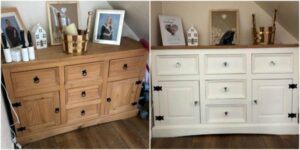
The final step in any upcycling project is styling the piece in a way that complements the space. Whether it’s pairing a repainted cabinet with modern décor, layering a stained table with textured textiles, or showcasing a repurposed chair as an accent piece, the key is celebrating the transformation—similar to how combat clothing combines function and style, proving that practical pieces can still make a bold statement.
Upcycling: A Blend of Creativity, Sustainability, and Craftsmanship
Upcycling old furniture is more than just a way to save money—it’s a statement about sustainability, creativity, and craftsmanship. It’s about recognizing the value in old materials and reimagining them in fresh, exciting ways. Whether you’re restoring a family heirloom, rescuing a flea market find, or transforming a roadside throwaway, every upcycled piece tells a story.
By embracing upcycling, you’re not just decorating your home—you’re making a conscious choice to contribute to a more sustainable world. The beauty of upcycling is that anyone can do it, and every project brings an opportunity to learn, experiment, and create something truly special. From scraps to style, upcycling is proof that with vision and effort, anything can be reinvented into something extraordinary.