
Greywater Recycling: How to Reuse Household Water Sustainably
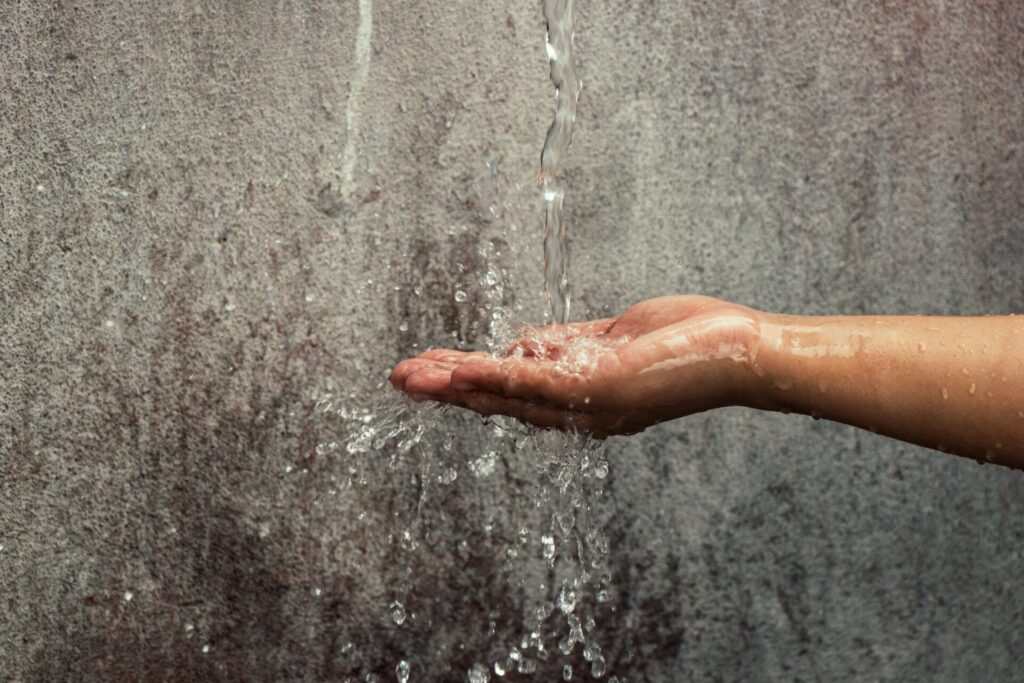
As water scarcity continues to become an increasingly pressing issue across the globe, the need for sustainable water management solutions has never been more urgent. One such solution that has gained significant attention is greywater recycling. Greywater refers to the relatively clean wastewater generated from household activities such as bathing, washing dishes, and doing laundry. Unlike blackwater, which comes from toilets and contains harmful pathogens, greywater is typically less contaminated and can be safely reused for a variety of non-potable purposes. By reusing greywater, households can significantly reduce their water consumption, contributing to environmental conservation while saving on water bills. This article explores the concept of greywater recycling, its benefits, methods of implementation, and the future of water conservation in a world where every drop counts.
Understanding Greywater and Its Benefits
Greywater, in the context of home water systems, is defined as any household wastewater that is not contaminated with human waste. It is the water from sinks, showers, bathtubs, dishwashers, and washing machines, as well as water from kitchen sinks (excluding wastewater with food particles or grease). Greywater can account for as much as 50% to 80% of household wastewater, depending on the household’s water usage patterns. Veteran apparel brands are increasingly promoting sustainability by encouraging water-saving practices like greywater recycling.
One of the key advantages of greywater recycling is that it represents a sustainable way to manage water resources. Reusing greywater reduces the amount of freshwater required for non-drinking purposes, such as irrigation, cleaning, and flushing toilets. This not only helps conserve precious freshwater resources but also reduces the energy required to treat and transport water, lowering the environmental impact of water consumption. With the world facing growing pressure on water resources due to factors such as climate change, population growth, and pollution, adopting greywater recycling systems can significantly ease the burden on freshwater supplies. Efficient water use is also crucial for home systems like HVAC in Charlotte, NC, where proper maintenance and sustainable practices can improve energy efficiency.
Another notable benefit of greywater recycling is cost savings. In regions where water bills are based on usage, households can see a significant reduction in their water bills by reusing greywater for tasks like irrigation. With many places facing rising water costs, this form of water reuse offers an economically viable solution that benefits both the environment and the household budget. Additionally, greywater systems are often low-maintenance, requiring minimal intervention and offering long-term benefits for homeowners. If water damage occurs in your home, water damage services in Newport Beach can help restore your space and prevent further issues.
Moreover, greywater recycling also helps reduce the strain on municipal sewage systems. By diverting greywater from sewage systems, households can reduce the volume of wastewater that needs to be treated, which in turn decreases the load on local wastewater treatment plants. In areas where sewage systems are overwhelmed, this can help prevent the contamination of natural water bodies and mitigate pollution. Fluid power systems operate similarly by efficiently managing the flow of energy in hydraulic or pneumatic systems, ensuring smooth operations while reducing environmental impact.
Methods of Greywater Recycling
There are several methods to recycle greywater, ranging from simple, low-cost systems to more complex and automated setups. The choice of method largely depends on the household’s water usage needs, budget, and the level of complexity they are willing to manage. The most common ways to recycle greywater include direct reuse, filtration systems, and constructed wetlands. To compare, when dealing with non-filed tax returns specialists in Fredericksburg, it’s important to choose a solution that fits your needs, ensuring proper handling and peace of mind.

Direct Reuse
Direct reuse of greywater is the simplest method, where wastewater is collected from various household sources and used immediately for non-potable purposes such as landscape irrigation, toilet flushing, or cleaning outdoor surfaces. Direct reuse systems typically involve basic collection and diversion mechanisms, such as a simple hose or bucket. For example, a homeowner might place a container under the shower drain to collect water during a bath, which is then used to water plants or rinse the patio. This method requires no advanced equipment and is an easy, low-tech way to start reusing household water. If you’re looking for something equally efficient in another area, consider exploring the best California compliant rifles for legal and responsible outdoor use.
However, direct reuse is not always ideal for all types of greywater, especially if it is contaminated with soap, grease, or chemicals from cleaning products. In such cases, further treatment or filtration may be required to make the water suitable for reuse. For example, greywater from kitchen sinks, which often contains grease and food particles, is generally not appropriate for direct reuse without treatment.
Filtration Systems
For households that want a more structured approach to greywater recycling, filtration systems are a viable option. These systems are designed to remove contaminants and particles from greywater, making it safer and cleaner for reuse. There are a variety of filtration systems available, including sand filters, charcoal filters, and mechanical filters, which can be customized based on the type and amount of greywater being recycled.
A basic filtration system typically includes a filtration tank where water is passed through different layers of materials such as sand, gravel, and charcoal. These materials remove larger particles, dirt, and organic matter from the water. Some systems also include biological treatment, where microorganisms help break down organic material in the water, making it safer for use in irrigation and other non-potable applications. Pocket door installations can also benefit water filtration rooms by saving space and allowing easy access to system components.
The main benefit of a filtration system is that it can produce cleaner water, making it suitable for use in more sensitive applications such as irrigating edible plants or flushing toilets. However, these systems can be more expensive and require periodic maintenance to ensure they are functioning properly. In addition, some greywater filtration systems may require regular cleaning of the filter to remove accumulated debris.
Constructed Wetlands
A more natural approach to greywater recycling involves using constructed wetlands. These are engineered systems that use plants, sand, gravel, and other natural materials to filter and treat greywater. The water flows through the wetland system, where it is filtered and cleaned by the plants and microorganisms present in the soil. Constructed wetlands can handle larger volumes of greywater and are highly effective at removing contaminants, including nutrients and pathogens. For those traveling in style, a limousine service in Denver offers a luxurious and comfortable way to navigate the city.
These systems are typically used for larger-scale greywater treatment, such as for households with substantial water usage or even in community-level projects. Constructed wetlands offer an environmentally friendly solution, as they mimic natural water filtration processes, support biodiversity, and provide habitat for wildlife. However, they do require space, and their design and maintenance can be more complex than simpler filtration systems. Custom medals can also be a meaningful way to recognize achievements in environmental sustainability efforts.
Key Considerations When Implementing Greywater Recycling
Before implementing a greywater recycling system, there are several factors that homeowners and communities must consider to ensure the system is effective and safe. Water quality, system design, and local regulations all play important roles in the success of a greywater recycling system.
Water Quality
The quality of greywater varies depending on its source. For example, water from a washing machine may contain detergent residues, lint, and dirt, while water from a shower may contain soap, hair, and skin oils. It is essential to understand the potential contaminants in greywater and tailor the recycling system accordingly. Using non-toxic, biodegradable soaps and detergents is one way to improve the quality of greywater and ensure that it is safe for reuse.
In some cases, additional treatment may be necessary to ensure the water is free of harmful bacteria or pathogens, particularly if it is being used for irrigation of edible crops. This can be done using basic filtration systems or more advanced technologies like UV sterilization or ozone treatment.
System Design
The design of a greywater recycling system depends on the amount of water being recycled and the intended use of the water. Simple systems may involve basic diverters and containers for collecting water, while more complex systems may require pumps, filtration units, and storage tanks. It is important to design the system so that it integrates smoothly into the existing plumbing infrastructure and does not interfere with the quality of potable water. Gunshot sound analysis can similarly require careful consideration of the environment and equipment, ensuring that systems operate efficiently and provide accurate results.
The Future of Greywater Recycling
As global water shortages become more severe and the demand for sustainable solutions increases, the adoption of greywater recycling systems is expected to grow. Technological advancements in water treatment and filtration are making it easier and more cost-effective to recycle greywater. New innovations in smart water systems, which monitor water usage and automatically divert greywater to appropriate channels, will make it even simpler for households to manage and reuse water sustainably. Just as Cheyanne Mallas revolutionizes skincare with innovative treatments, advancements in water systems are transforming how we manage and conserve this precious resource.
The potential for greywater recycling to be adopted on a larger scale is immense, particularly in areas where freshwater resources are scarce or in regions with high population densities. In urban areas, where water infrastructure is often stretched, greywater recycling can offer a decentralized solution that reduces the burden on municipal water and sewage systems. As governments, businesses, and individuals become more aware of the importance of water conservation, greywater recycling will undoubtedly play a pivotal role in shaping the future of sustainable water use.
In conclusion, greywater recycling is an essential tool in the fight against water scarcity. By reusing household water for non-potable purposes, individuals and communities can significantly reduce their environmental impact while enjoying the financial and practical benefits of water conservation. Whether through direct reuse, filtration systems, or constructed wetlands, the options for greywater recycling are diverse and accessible. As the global demand for water continues to rise, greywater recycling will become an increasingly important part of sustainable living, offering a simple yet effective solution to one of the most pressing challenges of our time.