
“How Italian Furniture Became Synonymous with Luxury and Elegance”
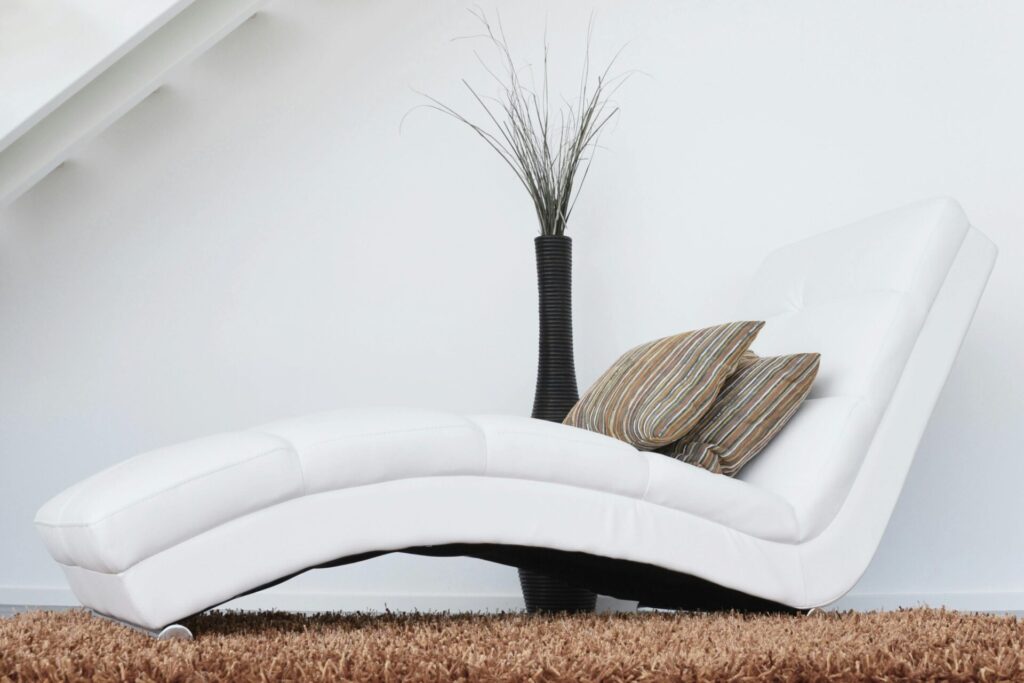
Italian furniture is celebrated around the world for its unparalleled craftsmanship, timeless design, and an inherent sense of sophistication. The phrase “Made in Italy” has become a hallmark of quality and prestige, particularly in the world of interior design and luxury living. This reputation is not a recent phenomenon but the result of centuries of dedication to artistry, innovation, and an appreciation for beauty. Italian furniture has evolved through historical influences, design revolutions, and cultural shifts to become the epitome of luxury and elegance.
Historical Foundations of Italian Furniture Design
The origins of Italian furniture can be traced back to the Renaissance period, a time of immense cultural and artistic growth in Italy. This era marked a departure from the purely functional designs of the medieval period, as furniture became a medium for artistic expression and social status. The Renaissance introduced ornate designs, intricate carvings, and an emphasis on symmetry, proportion, and beauty. These elements were deeply influenced by classical Roman and Greek architecture, which celebrated harmony and grandeur.
Italian craftsmen of the Renaissance period, such as those in Florence, Venice, and Milan, developed techniques that remain influential today. Their work was characterized by the use of rich materials, such as walnut, mahogany, and marble, which added a sense of opulence to their designs. Furniture pieces were often adorned with gilded details, frescoes, and elaborate inlays, showcasing the exceptional skill of Italian artisans. During this period, furniture transcended its utilitarian purpose and became a symbol of wealth, power, and cultural sophistication.
As Italy transitioned into the Baroque and Rococo periods, furniture design became even more elaborate. Baroque furniture, with its dramatic curves and lavish embellishments, reflected the grandeur of the Catholic Church and the aristocracy. Rococo design, which followed, introduced lighter and more playful elements, such as pastel colors and whimsical motifs. These styles cemented Italy’s reputation as a leader in luxury furniture design, influencing tastes across Europe and beyond.
The Role of Craftsmanship and Innovation
At the heart of Italian furniture’s enduring appeal is its commitment to craftsmanship. Italian artisans have long been celebrated for their meticulous attention to detail, a quality that sets their work apart in a world increasingly dominated by mass production. Each piece of Italian furniture is a testament to the skill and passion of its creator, blending traditional techniques with modern innovations to achieve a perfect balance of form and function.
One of the defining characteristics of Italian craftsmanship is the emphasis on handwork. Even in an era of advanced machinery, many Italian furniture makers continue to rely on traditional methods, such as hand-carving, joinery, and upholstery. This approach ensures that each piece is unique, with subtle variations that add to its charm and authenticity. Italian furniture makers also place great importance on selecting the finest materials, from premium woods and leathers to high-quality metals and fabrics. These materials are not only aesthetically pleasing but also durable, ensuring that Italian furniture can be enjoyed for generations.
Innovation has also played a critical role in maintaining Italy’s position at the forefront of furniture design. The mid-20th century saw the rise of modern Italian furniture, with designers like Gio Ponti, Ettore Sottsass, and Achille Castiglioni pushing the boundaries of form and function. These visionaries introduced sleek, minimalist designs that contrasted sharply with the ornate styles of the past, while still retaining the elegance and quality for which Italian furniture was known. Their work laid the foundation for contemporary Italian furniture, which continues to evolve in response to changing tastes and lifestyles.
The Influence of Italian Design on Global Interiors
Italian furniture has had a profound impact on interior design worldwide, shaping trends and setting standards for luxury living. From opulent palaces to modern homes, Italian design has been embraced by architects, designers, and homeowners seeking to create spaces that exude sophistication and refinement. The appeal of Italian furniture lies in its ability to seamlessly blend tradition and innovation, offering timeless pieces that are both functional and aesthetically stunning.
One of the key factors behind the global popularity of Italian furniture is its versatility. Italian designs range from classic and ornate to sleek and contemporary, ensuring that there is something to suit every taste and style. For instance, a baroque-inspired chaise longue can add a touch of old-world charm to a traditional living room, while a minimalist leather sofa can serve as the centerpiece of a modern, open-concept space. This adaptability has made Italian furniture a favorite among interior designers, who appreciate its ability to elevate any environment.
The influence of Italian furniture extends beyond residential spaces to commercial and hospitality settings. Luxury hotels, high-end restaurants, and prestigious office buildings often feature Italian pieces as a way to convey elegance and sophistication. Iconic Italian brands like Poltrona Frau, Cassina, and B&B Italia have become synonymous with high-end interiors, offering furniture collections that combine cutting-edge design with impeccable craftsmanship. These brands have helped to reinforce Italy’s reputation as a leader in the global furniture industry, ensuring that “Made in Italy” remains a mark of excellence.
Sustainability and the Future of Italian Furniture
In recent years, sustainability has become a significant focus in the furniture industry, and Italian manufacturers have risen to the challenge. By embracing eco-friendly practices and materials, Italian furniture makers are ensuring that their products align with the values of environmentally conscious consumers. This commitment to sustainability is evident in several key areas, from the sourcing of raw materials to the production processes used in workshops and factories.
Many Italian furniture brands now prioritize the use of renewable and recycled materials, such as FSC-certified wood, natural textiles, and recycled metals. These materials not only reduce the environmental impact of production but also contribute to the unique character and beauty of the finished products. Additionally, Italian manufacturers are increasingly adopting energy-efficient technologies and waste-reduction strategies, ensuring that their operations are as sustainable as possible.
The focus on sustainability extends to the design philosophy itself. Italian furniture is often characterized by its timeless aesthetic, which encourages longevity and reduces the need for frequent replacements. Unlike disposable, trend-driven pieces, Italian furniture is designed to endure both physically and stylistically, making it a more sustainable choice in the long run. This approach reflects a deep respect for craftsmanship and materials, as well as a commitment to preserving the planet for future generations.
As the world continues to embrace sustainability, Italian furniture is poised to remain a leader in the industry. By combining traditional craftsmanship with innovative, eco-friendly practices, Italian manufacturers are demonstrating that luxury and environmental responsibility can go hand in hand. This forward-thinking approach ensures that Italian furniture will continue to set the standard for quality and elegance in the years to come.
Conclusion: The Enduring Legacy of Italian Furniture
The story of Italian furniture is one of innovation, artistry, and an unwavering commitment to excellence. From its origins in the Renaissance to its role as a global symbol of luxury today, Italian furniture has consistently pushed the boundaries of design and craftsmanship. Its unique blend of tradition and modernity, coupled with a focus on quality and sustainability, has made it a favorite among discerning consumers and design professionals alike.
Italian furniture’s enduring appeal lies in its ability to transcend trends and offer timeless beauty. Whether it’s a hand-carved wooden chair from Florence or a sleek leather sofa from Milan, each piece tells a story of passion, skill, and an unrelenting pursuit of perfection. As the industry continues to evolve, Italian furniture remains a shining example of what can be achieved when artistry and innovation come together.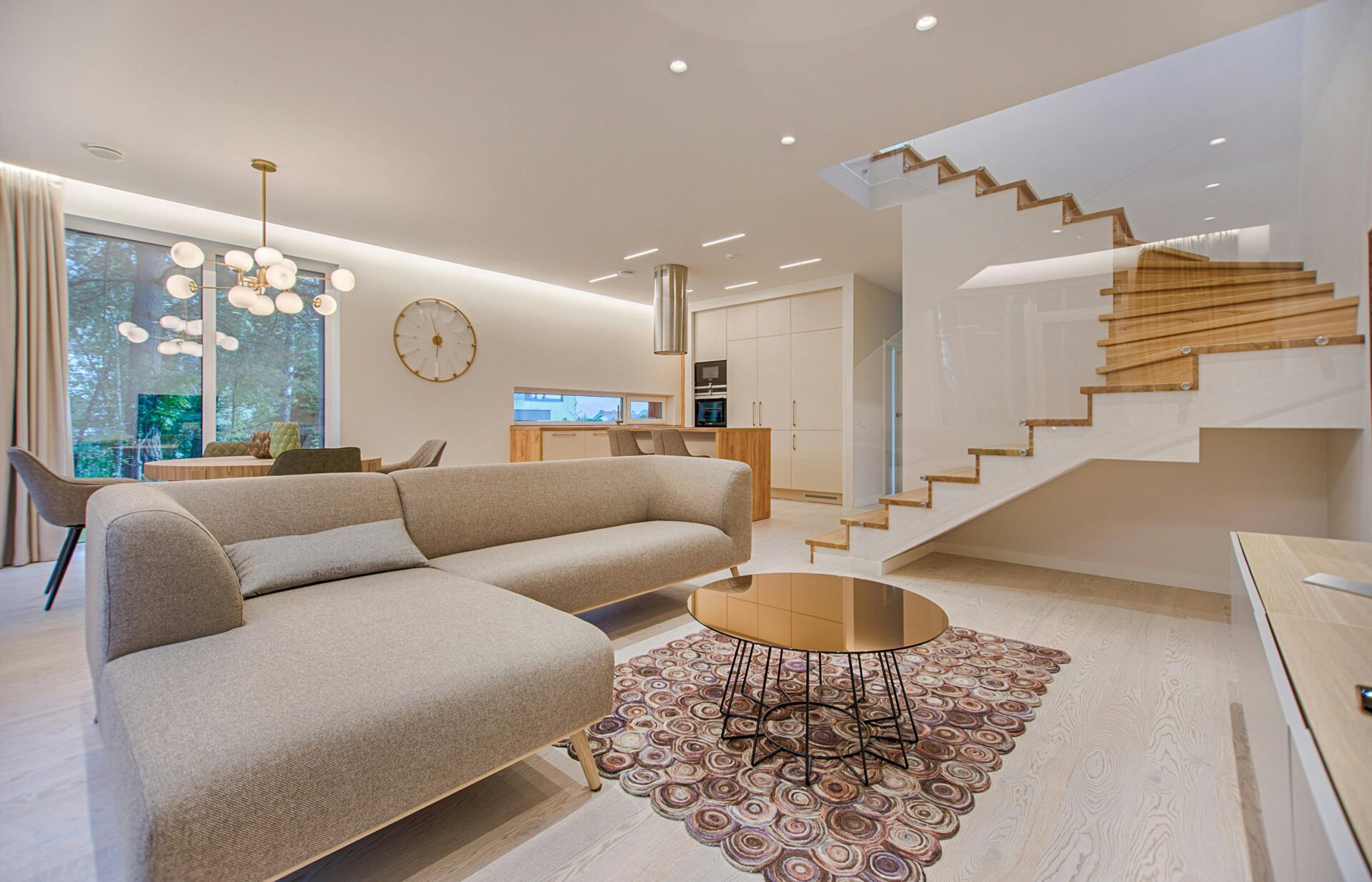
In a world where mass production and disposability often dominate, Italian furniture stands as a testament to the value of craftsmanship and authenticity. It invites us to appreciate the beauty of well-made objects and to embrace a more thoughtful, sustainable approach to design. For those seeking to create spaces that reflect their values and aspirations, Italian furniture offers an unparalleled combination of luxury, elegance, and integrity.