
Designing for the Minimalist Maximalist: When Simplicity Meets Bold Statements
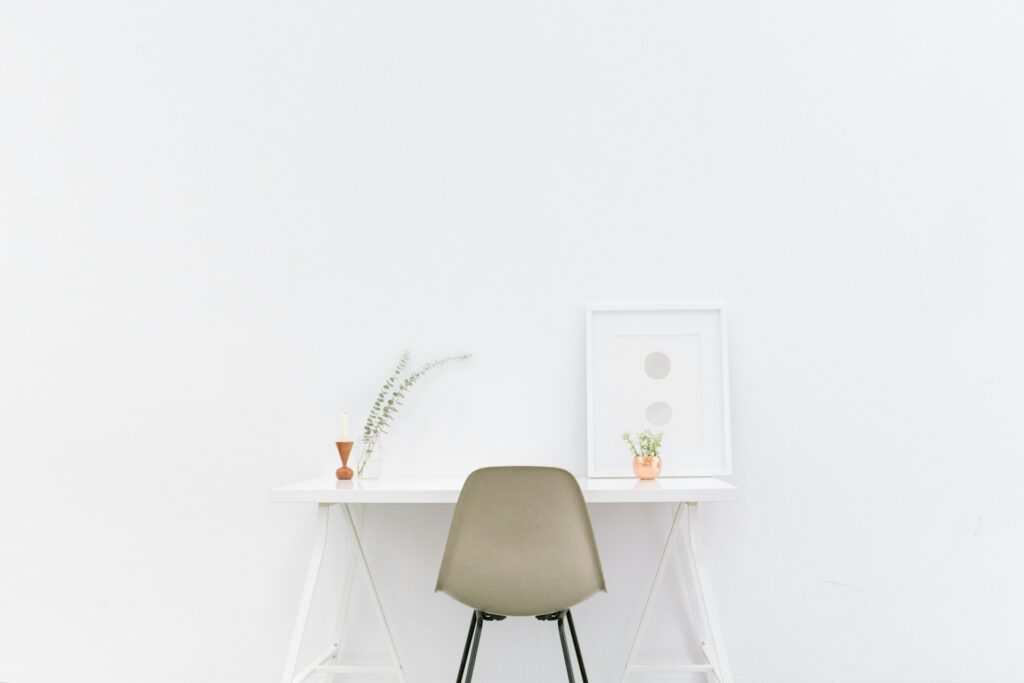
Minimalism and maximalism, often seen as opposing forces in design, are finding common ground in a new trend: the minimalist maximalist aesthetic. This hybrid approach combines the best of both worlds, marrying the clean, uncluttered ethos of minimalism with the vibrancy and expressiveness of maximalism. Designers, homeowners, and businesses are gravitating toward this style as it offers a way to be bold without overwhelming the senses, creating spaces that are both functional and strikingly unique.
In this article, we’ll explore the essence of minimalist maximalism, uncover its core principles, and provide actionable tips for embracing this design philosophy in interiors, graphic design, and beyond.
What is Minimalist Maximalism?
At its core, minimalist maximalism is about finding harmony in contrasts. It’s the art of achieving balance by combining the simplicity of minimalist design with the drama and individuality of maximalist elements. Rather than filling a space with excess or stripping it bare, this design philosophy focuses on making intentional choices that elevate key features while allowing the rest to breathe.
A typical minimalist maximalist space or design might feature:
- A bold centerpiece, like a vividly patterned sofa or a large abstract painting, set against a neutral backdrop.
- A curated selection of decor items, each of which is impactful yet contributes to the overall cohesiveness.
- A play on scale, such as oversized furniture paired with delicate lighting fixtures.
This style encourages restraint without sacrificing personality. Every piece must have a purpose, and every detail should tell a story. Unlike traditional maximalism, where “more is more,” or strict minimalism, which often eschews ornamentation entirely, minimalist maximalism thrives in the space between these extremes. In a similar way, remote online notarization offers a streamlined yet efficient solution for modern legal needs.
Core Principles of Minimalist Maximalism
Understanding the principles of minimalist maximalism is essential for designing spaces or visuals that resonate with this aesthetic. It’s a philosophy rooted in intentionality, balance, and self-expression. Below, we delve into the fundamental elements that define this approach.
Curate, Don’t Accumulate
Minimalist maximalism emphasizes quality over quantity. Instead of filling a room with countless items, the focus is on curating a select few standout pieces. These pieces may include a single statement chandelier, a vintage rug with intricate patterns, or an eclectic sculpture that sparks conversation. The key is to avoid clutter by choosing items that offer both function and aesthetic value. Minimalist maximalism also embraces the value of product design services to create bespoke, functional pieces that elevate the overall aesthetic.
This principle can also be applied to graphic or web design, where bold typography or a striking color scheme replaces an overload of visual elements. The design remains clean, but it’s far from boring. For example, a website might use a bright neon accent color on an otherwise monochromatic layout, drawing attention to specific calls to action or focal points. Similarly, businesses can achieve impactful results with clear strategies, such as m&a advisory services.
By curating with intention, you ensure that each element serves a purpose, making the overall design feel cohesive rather than chaotic.
Contrast is Key
The minimalist maximalist aesthetic thrives on contrasts—whether it’s between textures, colors, or shapes. Soft, neutral tones like beige or white can serve as a backdrop for vibrant jewel tones or metallic accents. Similarly, smooth surfaces like glass or polished concrete can be juxtaposed with rough, organic materials such as reclaimed wood or textured fabrics.
This contrast creates visual interest and ensures that no single element feels out of place. For instance, pairing an intricately carved antique mirror with a sleek modern console table adds depth and intrigue to an entryway. The juxtaposition of styles and materials makes the design feel dynamic, yet still cohesive.
The same principle applies to scale. Oversized furniture, when placed in a minimalist layout, can become a dramatic focal point without overpowering the space. Conversely, small, intricate details like a collection of artisan pottery can add warmth and character to an otherwise stark environment. For those looking to test their knowledge and prepare effectively, the FMCSA medical examiner practice test is an excellent resource to ensure success.
Embrace Negative Space
Negative space, often overlooked in maximalist designs, becomes a powerful tool in the minimalist maximalist approach. It allows bold elements to shine by giving them room to breathe. An uncluttered wall can transform a single, striking piece of art into a centerpiece. Similarly, a spacious layout with strategically placed furniture creates a sense of flow and openness, even when individual pieces are bold and eclectic.
In graphic design, negative space can be used to draw attention to a key message or element. A minimalist maximalist poster might feature a large, dramatic font with plenty of whitespace around it, making the design feel both impactful and refined.
By embracing negative space, you create a sense of order and balance, ensuring that the design remains visually appealing rather than overwhelming.
How to Incorporate Minimalist Maximalism into Interior Design
Interior design is one of the most popular arenas for minimalist maximalism. It allows homeowners and designers to create spaces that are both functional and visually captivating. Below are some tips for incorporating this aesthetic into your home or projects. If you’re looking to elevate your event, consider hiring an expert event Emcee.
Start with a Neutral Foundation
A neutral color palette serves as the perfect canvas for minimalist maximalism. Shades like white, gray, or beige provide a calming backdrop that allows bold accents to take center stage. However, this doesn’t mean the base has to be devoid of personality. Subtle textures, like a plastered wall or a rug with a faint pattern, can add depth without stealing the spotlight.
Once the neutral foundation is in place, introduce your bold elements—whether it’s a cobalt blue velvet sofa, a mustard yellow armchair, or a gallery wall featuring oversized art. The neutral tones help ground these pieces, preventing them from feeling chaotic or out of place.
Invest in Statement Pieces
One of the hallmarks of minimalist maximalism is the use of statement pieces to anchor the design. These could be anything from a sculptural light fixture to a one-of-a-kind piece of furniture. The idea is to make a strong visual impact without overwhelming the space. For those seeking a moment of relaxation amidst stunning design, you can experience the best massage in Las Vegas.
For example, in a minimalist maximalist living room, a single dramatic coffee table made of marble or glass might serve as the focal point. Complement this with simpler furniture pieces that echo the same design language, creating a cohesive yet dynamic look.
When choosing statement pieces, think about longevity and personal connection. Minimalist maximalism encourages individuality, so opt for items that resonate with your taste and tell a story. This approach not only enhances your style but also aligns with values like non trucking liability, promoting sustainable and responsible choices.
Layer Textures and Materials
To add richness and complexity to a minimalist maximalist space, experiment with layering textures and materials. Combining different finishes, such as matte, glossy, rough, and smooth, can create visual interest without relying solely on color. For example, a room might feature a linen sofa paired with a shaggy wool rug, a metallic side table, and leather accents. To ensure your space stays as refined and functional as intended, consider professional Shopify support and maintenance services.

This interplay of textures adds depth and sophistication, ensuring that the design feels intentional rather than haphazard. It’s also an excellent way to create warmth in spaces that might otherwise feel too stark or cold.
Bringing Minimalist Maximalism to Graphic Design
Minimalist maximalism isn’t limited to interiors—it’s making waves in the world of graphic design as well. Designers are finding innovative ways to merge boldness with restraint, creating visuals that capture attention while maintaining a sense of balance. This approach is also inspiring the development of cutting-edge millimeter wave products.
Bold Typography and Color
Typography plays a pivotal role in minimalist maximalist graphic design. Bold, oversized fonts paired with a restrained layout can make a powerful statement. For instance, a poster might feature a single impactful phrase in a vibrant color, set against a neutral background. The contrast between the bold text and the simplicity of the layout makes the design memorable.
When it comes to color, the same principle applies: choose one or two bold shades to complement a neutral palette. This ensures that the design feels cohesive rather than overwhelming.
Focus on Hierarchy
Minimalist maximalist graphic design often relies on a strong sense of hierarchy to guide the viewer’s eye. By strategically placing elements and varying their size, designers can create a sense of flow and balance. For example, a website homepage might feature a large hero image with bold typography, followed by smaller, more detailed sections below. For those in need of physical therapy Austin offers excellent services to support your recovery and well-being.
This approach ensures that the design is both visually striking and easy to navigate, making it ideal for branding, marketing, and digital experiences. Elevate your wardrobe with the elegant and versatile styles of Joseph Ribkoff coats.
Use of Whitespace
As with interiors, whitespace is a critical component of minimalist maximalist graphic design. It creates a sense of clarity and allows bold elements to shine. Whether it’s a logo, a website, or a brochure, the careful use of whitespace ensures that the design feels elegant rather than cluttered. For those in need of rehabilitation, finding the best orthopedic physical therapy in Chicago can also help achieve clarity and improvement in movement.
Why Minimalist Maximalism is Here to Stay
The rise of minimalist maximalism reflects a broader shift in design philosophy: the desire for balance in an increasingly complex world. People are looking for ways to express themselves while maintaining a sense of order and tranquility. This hybrid approach offers the best of both worlds, allowing for creativity and individuality without sacrificing functionality or simplicity.
Moreover, minimalist maximalism aligns with current trends in sustainability and mindful consumption. By encouraging intentional choices and valuing quality over quantity, it promotes a more thoughtful approach to design and living. In the same spirit, 20×20 trade show booths offer a perfect blend of efficiency and impactful design for showcasing products with purpose and style.
In a world where extremes often dominate, minimalist maximalism provides a refreshing middle ground. It’s a reminder that simplicity and boldness don’t have to be mutually exclusive—they can coexist beautifully. Whether in interiors, graphic design, or other creative pursuits, this aesthetic offers endless possibilities for innovation and self-expression.