
Interior Design for Well-Being: Creating Spaces that Promote Health and Happiness

Interior design goes beyond aesthetics; it plays a crucial role in our well-being. The spaces we inhabit can significantly impact our physical health, mental state, and overall happiness. By focusing on specific design principles and elements, we can create environments that not only look beautiful but also support our well-being. This article explores how to design interiors that promote health and happiness.
The Importance of Natural Light
Natural light is one of the most important factors in interior design for well-being. Exposure to natural light helps regulate our circadian rhythms, which are essential for maintaining a healthy sleep-wake cycle. Adequate natural light also boosts mood, enhances productivity, and contributes to overall mental health. Our organism needs natural light to function, just as the plants outside, for whose arranging you can use the planting services in Green Bay.
Maximize natural light by choosing light-colored window treatments, strategically placing mirrors to reflect light, and opting for open layouts that allow sunlight to flow freely. If natural light is limited, consider using full-spectrum light bulbs that mimic natural daylight.
Incorporating Biophilic Design
Biophilic design is the practice of incorporating natural elements into our living spaces.
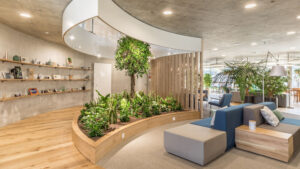
This design philosophy is based on the idea that humans have an innate connection to nature, and being close to nature can significantly improve our well-being.
Incorporate plants, natural materials like wood and stone, and water features into your interior design. Plants, in particular, are excellent for improving air quality and adding a sense of calm and tranquility to a space. Vertical gardens, potted plants, and hanging planters are all great ways to bring greenery indoors.
The Power of Color Psychology
Color has a profound effect on our emotions and behavior. Understanding color psychology can help you choose colors that promote health and happiness in your interior design.
Soft, muted colors like blues and greens are known to have a calming effect, making them ideal for bedrooms and relaxation areas. Bright colors like yellow and orange can boost energy and creativity, perfect for workspaces and kitchens. Neutral tones provide a soothing backdrop and can be accented with pops of color to create a balanced and harmonious environment. For those planning a move to a new home, a long distance moving company can assist in ensuring a smooth transition to your beautifully designed space.
Creating Functional and Organized Spaces
Clutter can lead to stress and anxiety, while organized and functional spaces promote peace of mind and productivity. Good interior design ensures that every item has a place and that spaces are easy to navigate and use.
Utilize smart storage solutions like built-in cabinets, floating shelves, and multifunctional furniture to keep clutter at bay. Decluttering regularly and keeping only items that are functional or bring joy can help maintain a clean and organized home.
Prioritizing Comfort and Ergonomics
Comfortable and ergonomic furniture is essential for physical well-being, especially for those who spend a lot of time at home. Poorly designed furniture can lead to back pain, neck strain, and other health issues.
Invest in high-quality, ergonomic furniture that supports good posture and provides comfort. This is particularly important for home offices, where a good chair and adjustable desk can make a significant difference in comfort and productivity. In living areas, opt for sofas and chairs that offer good support and are upholstered in soft, durable fabrics.
Enhancing Air Quality
Indoor air quality is a crucial aspect of health and well-being. Poor air quality can lead to respiratory problems, allergies, and other health issues.
Ensure good ventilation by using exhaust fans, opening windows regularly, and incorporating air purifiers. Plants can also improve air quality by filtering out pollutants. Choose low-VOC (volatile organic compounds) paints and finishes to reduce the number of harmful chemicals in the air. Additionally, consider using window shades in San Clemente to help control indoor temperatures and reduce the need for air conditioning, which can further improve overall air quality.
Utilizing Soundscaping
Soundscaping refers to the design and management of the sound environment within a space. Excessive noise can be stressful and disruptive, while pleasant sounds can enhance relaxation and well-being.
Incorporate elements like sound-absorbing materials, such as rugs, curtains, and acoustic panels, to minimize unwanted noise. Consider adding water features like fountains, which provide soothing background sounds. Playing calming music or nature sounds can also contribute to a serene atmosphere. Additionally, combining these soundscaping techniques with product design services can create an even more harmonious and aesthetically pleasing environment.
Creating Multi-Sensory Experiences
Designing for well-being involves engaging all the senses. A multi-sensory approach can enhance the overall experience of a space and promote relaxation and happiness.
Incorporate elements that appeal to the senses of touch, smell, and sight. Soft textiles like plush rugs and cushions can add a tactile element. Aromatherapy diffusers with essential oils can provide calming or invigorating scents. Visual interest can be created through art, patterns, and varied textures.
Embracing a holistic approach to design, similar to the innovative methods used by professionals like Cheyanne Mallas, can lead to exceptional and immersive experiences.
Promoting Social Interaction
Social connections are vital for mental health and happiness. Interior design can play a role in facilitating social interaction by creating inviting and comfortable spaces for people to gather.
Design common areas, such as living rooms and dining areas, to encourage conversation and interaction. Arrange seating in a way that allows for easy communication and create focal points, like a fireplace or a large dining table, where people can gather. Studying for the CDL A test course in Orlando can be a true pleasure in a cozy setting like this.
Personalized Spaces
Personalization is key to creating spaces that truly promote well-being. Your home should reflect your personality, interests, and lifestyle. Personal touches make a space feel more inviting and comfortable.
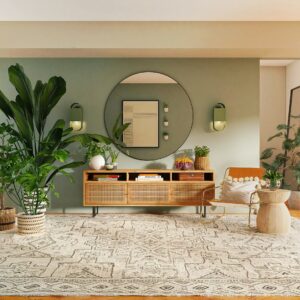
Incorporate personal items like family photos, travel souvenirs, and cherished mementos into your decor. Customizing your space to suit your preferences and needs can enhance your sense of ownership and happiness in your home.
Embracing Minimalism
Minimalism is not just about having fewer possessions; it’s about creating a space that is free from unnecessary distractions and promotes a sense of calm and focus. A minimalist approach can help reduce stress and improve mental clarity.
Adopt a “less is more” philosophy by keeping only what is essential and brings joy. Choose furniture and decor that are functional and have clean lines. A minimalist space can help you feel more relaxed and at peace. The designers of the banquet hall in LA have thoughtfully chosen what to include in the interior to keep the space minimal, but functional.
Integrating Technology Thoughtfully
Technology can enhance well-being when used thoughtfully. Smart home devices can improve convenience, security, and comfort. A repair serum can also play a role in your self-care routine, addressing skincare needs as part of a balanced approach to well-being.
Consider incorporating smart lighting systems that adjust to natural light levels, smart thermostats that maintain optimal temperatures, and voice-activated assistants that can help manage daily tasks. However, it’s important to balance technology use to avoid overstimulation and ensure it contributes positively to your well-being. Also, treat yourself to a pedicure in Flatiron to relax and do something for yourself.
Designing for Flexibility
Our needs and lifestyles change over time, and our living spaces should be able to adapt to these changes. Flexible design allows for easy adjustments and reconfigurations. Flexibility is also one of the qualities of the security company in Los Angeles, which is easy to adapt to the special needs of the clients.
Choose furniture and layouts that can be easily modified to accommodate different activities and needs. Modular furniture, movable partitions, and versatile spaces that can serve multiple purposes are excellent ways to incorporate flexibility into your home design.
Emphasizing Sustainability
Sustainable design is not only beneficial for the environment but also for personal well-being. Sustainable practices can lead to healthier indoor environments and a greater sense of connection to the natural world.
Opt for eco-friendly materials, energy-efficient appliances, and sustainable products. Consider the lifecycle of the products you choose and prioritize quality and durability over disposability. A sustainable home can provide a healthier living environment and contribute to a sense of well-being.
Balancing Yin and Yang
The concept of balancing yin and yang comes from Chinese philosophy and is a key principle in feng shui, the practice of arranging living spaces to promote harmony and balance.
Create a balance between yin (calm, passive energy) and yang (active, vibrant energy) in your home. This can be achieved by balancing soft and hard materials, light and dark colors, and open and enclosed spaces. A harmonious balance can create a sense of peace and well-being. Along with practicing meditation and the best Asian massage in Las Vegas regularly, peace and harmony will always be by your side.
Conclusion
Interior design for well-being is about more than just creating beautiful spaces. It’s about creating environments that support and enhance our physical health, mental well-being, and overall happiness. By focusing on natural light, biophilic elements, color psychology, organization, comfort, air quality, soundscaping, multi-sensory experiences, social interaction, personalization, minimalism, technology, flexibility, sustainability, and balance, we can design homes that truly promote health and happiness. The exterior design should also be based on these principles. The asphalt contractor in North Carolina always respects the clients’ wishes when it comes to paving their driveways.
Investing in thoughtful interior design can lead to a more fulfilling and enjoyable living experience. By making conscious choices about the design and arrangement of our spaces, we can create environments that nurture our well-being and support a healthy, happy lifestyle.