
From Smog to Solutions: The Science Behind Air Pollution and the Technologies Fighting It
Hazel Andrews January 2, 2026
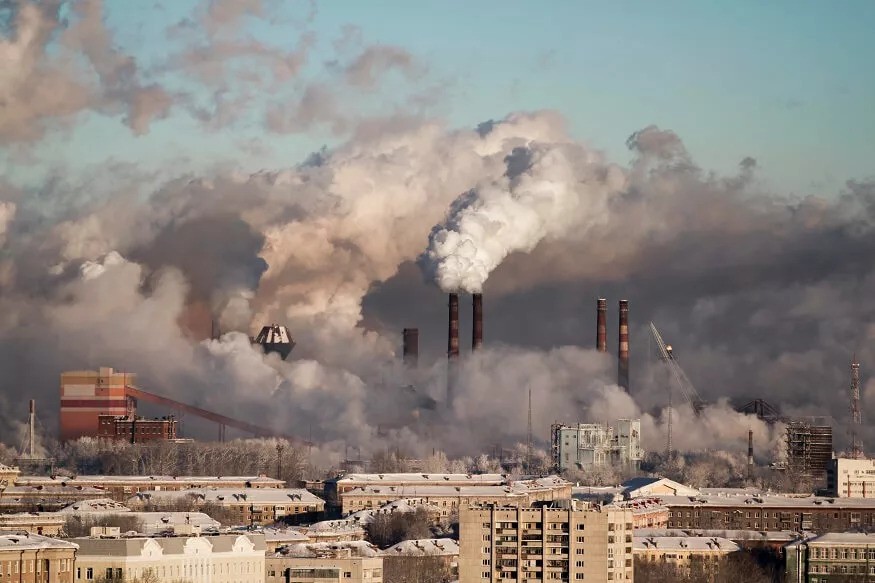
Air pollution is often discussed through the lens of human health, but its environmental consequences are just as profound and far-reaching. Long before polluted air enters human lungs, it disrupts ecosystems, alters climate patterns, damages soil and water systems, and weakens the natural processes that sustain life on Earth. From dense urban smog to invisible chemical reactions in the upper atmosphere, air pollution represents a complex environmental challenge rooted in modern development and energy use.
At its core, air pollution is the presence of harmful substances in the atmosphere at concentrations high enough to damage natural systems. These pollutants may be gases like sulfur dioxide, nitrogen oxides, and ozone, or tiny particles known as particulate matter. While some pollutants originate from natural sources such as volcanic eruptions or wildfires, the most destructive environmental impacts today stem from human activity. Industrial production, fossil fuel combustion, intensive agriculture, and transportation have dramatically altered atmospheric chemistry, pushing ecosystems beyond their natural resilience.
Understanding how air pollution affects the environment requires examining both the science behind pollutant behavior and the technological innovations now being developed to counteract it. The story of air pollution is no longer just about damage; it is increasingly about solutions grounded in science, engineering, and ecological awareness.
The Science of Pollutants and Their Environmental Impact
Air pollutants do not remain confined to the places where they are emitted. Once released, they interact with sunlight, moisture, temperature, and other atmospheric compounds, creating complex chains of chemical reactions. These processes explain why pollution generated in one region can cause environmental harm thousands of kilometers away.
Sulfur dioxide and nitrogen oxides, largely produced by burning coal, oil, and diesel, are primary drivers of acid rain. When these gases mix with atmospheric water vapor, they form sulfuric and nitric acids that fall back to Earth through precipitation. Acid rain changes soil chemistry, leaches essential nutrients from forests, and acidifies lakes and rivers. Entire aquatic ecosystems can collapse when water becomes too acidic for fish, amphibians, and microorganisms to survive.
Ground-level ozone, a major component of smog, forms when nitrogen oxides react with volatile organic compounds in the presence of sunlight. While ozone high in the stratosphere protects life from ultraviolet radiation, ozone near the Earth’s surface is toxic to plants. It interferes with photosynthesis, stunts growth, and reduces crop yields. Forests exposed to chronic ozone pollution show weakened resistance to pests, drought, and disease, making them more vulnerable to climate stress.
Particulate matter, especially fine particles known as PM2.5, has subtle yet devastating environmental effects. These microscopic particles settle on leaves, reducing plants’ ability to absorb sunlight. When deposited into soil and water, they introduce heavy metals and toxic compounds that accumulate in food chains. Over time, this contamination disrupts biodiversity and threatens the stability of entire ecosystems.
Air Pollution and Climate Interactions
One of the most significant environmental dimensions of air pollution is its relationship with climate change. Although air pollution and climate change are often discussed separately, they are deeply interconnected. Many air pollutants also act as climate forcers, meaning they influence the Earth’s energy balance.
Black carbon, a component of soot released from diesel engines, biomass burning, and inefficient cookstoves, is a powerful warming agent. When black carbon settles on snow and ice, it reduces reflectivity, causing surfaces to absorb more heat and accelerate melting. This process has contributed to the rapid retreat of glaciers and Arctic ice, with cascading effects on sea levels and ocean circulation.
Methane, while primarily known as a greenhouse gas, also contributes to the formation of ground-level ozone. Its presence in the atmosphere intensifies warming while simultaneously harming vegetation. Nitrogen oxides and aerosols can both cool and warm the planet depending on their composition and location, making the atmospheric system highly complex.
These interactions mean that reducing air pollution is one of the fastest ways to achieve environmental climate benefits. Unlike carbon dioxide, which persists in the atmosphere for centuries, many air pollutants have relatively short lifespans. Cutting their emissions can lead to rapid improvements in air quality, ecosystem health, and climate stability.
Damage to Ecosystems and Biodiversity
Ecosystems depend on delicate balances of nutrients, sunlight, temperature, and moisture. Air pollution disrupts these balances in ways that are often invisible until damage becomes severe. Forests, wetlands, grasslands, and oceans all bear the environmental burden of polluted air.
Nitrogen pollution from agricultural fertilizers and vehicle emissions contributes to nutrient overload in ecosystems. When excess nitrogen settles into soil and waterways, it triggers abnormal plant growth. In aquatic systems, this process leads to algal blooms that consume oxygen and create dead zones where fish and invertebrates cannot survive. Coastal ecosystems around the world have suffered massive biodiversity losses due to nitrogen-driven eutrophication.
Lichens and mosses, which absorb nutrients directly from the air, are especially sensitive to pollution. Their decline is often an early warning sign of deteriorating air quality. Because these organisms play important roles in nutrient cycling and habitat formation, their loss reverberates through entire ecosystems.
Air pollution also alters plant species composition. Pollution-tolerant species may thrive while sensitive species decline, reducing biodiversity and weakening ecosystem resilience. Over time, this shift makes environments less capable of adapting to climate change, pests, and natural disturbances.
Monitoring the Atmosphere Through Environmental Science
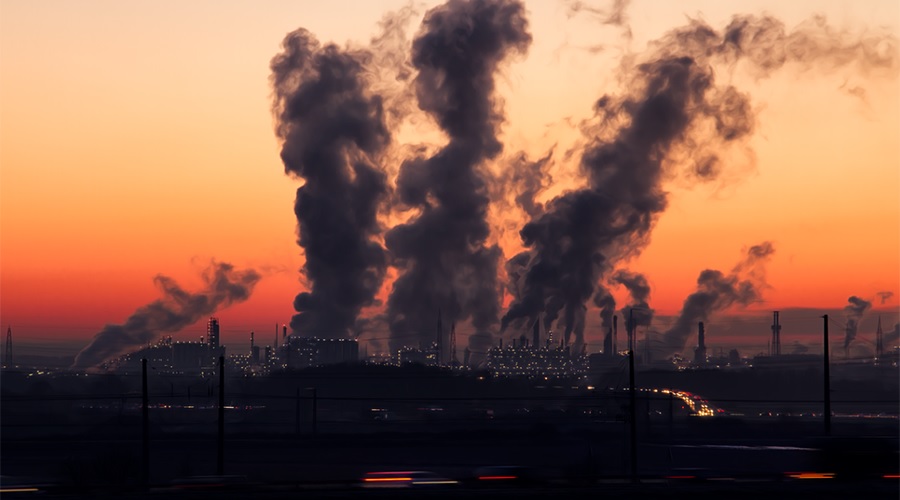
Scientific advances have transformed how we detect and understand air pollution’s environmental effects. Ground-based monitoring stations, satellite observations, and atmospheric modeling now provide a comprehensive picture of pollutant movement and impact.
Satellites can track nitrogen dioxide, sulfur dioxide, and particulate matter across continents, revealing pollution hotspots and transboundary pollution flows. This technology has made it clear that air pollution is not a local problem but a global one. Emissions in industrial regions can affect forests, oceans, and polar ice far beyond national borders.
Environmental scientists also study pollution through bioindicators, organisms whose health reflects environmental conditions. Changes in tree rings, leaf damage patterns, coral health, and soil microbial activity all provide evidence of long-term exposure to polluted air. These biological records help scientists understand cumulative damage that may not be immediately visible.
The growing availability of environmental data has strengthened the case for science-based solutions, allowing policymakers and engineers to target the most damaging pollutants and sources with greater precision.
Clean Energy Technologies as Environmental Solutions
One of the most effective ways to fight air pollution is to prevent it at its source. Clean energy technologies play a central role in this transformation by replacing combustion-based systems with renewable alternatives.
Solar and wind energy generate electricity without releasing air pollutants. As coal-fired power plants shut down and are replaced by renewables, emissions of sulfur dioxide, nitrogen oxides, and particulate matter decline sharply. This shift has already led to measurable environmental recovery in regions that once suffered from severe acid rain and smog.
Advances in energy storage, such as lithium-ion and solid-state batteries, allow renewable energy to be used more reliably, reducing reliance on fossil fuel backup systems. Hydropower and geothermal energy also provide low-emission options when managed sustainably.
In industrial settings, electrification and green hydrogen technologies are emerging as solutions for processes that traditionally depended on fossil fuels. These innovations not only reduce greenhouse gases but also eliminate many toxic air pollutants that damage surrounding ecosystems.
Pollution Control Technologies and Atmospheric Repair
While prevention is essential, existing pollution sources must also be addressed. Modern pollution control technologies have significantly reduced emissions from power plants, factories, and vehicles.
Scrubbers and catalytic converters capture sulfur compounds and nitrogen oxides before they enter the atmosphere. Advanced filtration systems trap particulate matter at increasingly smaller scales, preventing harmful particles from spreading through air and settling into ecosystems.
Emerging technologies aim to go even further by actively removing pollutants from the atmosphere. Direct air capture systems, though still developing, can remove carbon dioxide and other gases from ambient air. Urban air purification projects use large-scale filters, green walls, and algae-based systems to absorb pollutants locally, offering environmental relief in dense cities.
Nature-based solutions also play a vital role. Reforestation, wetland restoration, and urban green spaces act as natural air filters. Trees absorb nitrogen dioxide and ozone, while soil microorganisms help process deposited pollutants. When combined with technological controls, these ecological approaches enhance environmental resilience.
The Environmental Path Forward
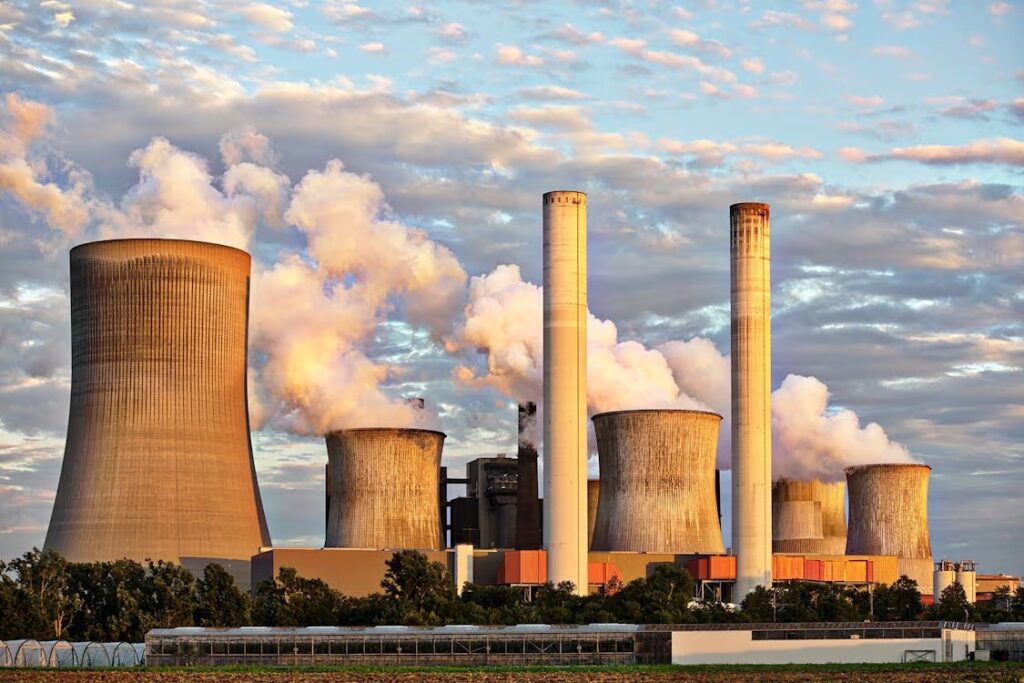
The fight against air pollution is ultimately about redefining humanity’s relationship with the atmosphere. Scientific understanding has revealed how deeply air connects all living systems, from microscopic plankton to vast forests and oceans. Pollution disrupts this shared system, but science and technology now offer tools to restore balance.
Environmental progress depends on integrating clean energy, pollution control, ecosystem restoration, and informed policy. When societies invest in cleaner technologies, they protect not only human health but also the intricate web of life that supports civilization itself.
From smog-filled skies to cleaner horizons, the transition is already underway. The challenge lies in accelerating these solutions and ensuring they are applied equitably across the globe. By grounding action in environmental science and innovation, it is possible to transform polluted air from a symbol of damage into a testament of recovery and responsibility.