
Eyes on the Earth: How Environmental Monitoring Drives Effective Ecosystem Restoration
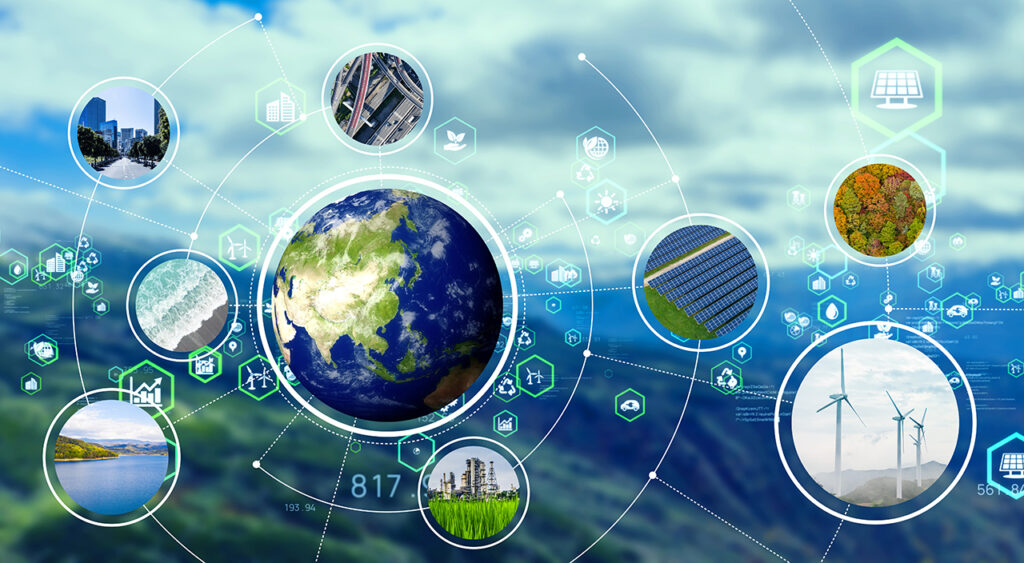
In a world where environmental degradation is accelerating at an alarming pace, the ability to observe, understand, and respond to ecological changes has never been more critical. Environmental monitoring, often described as the “eyes on the Earth,” has emerged as a cornerstone in our efforts to restore and protect the natural world. By systematically tracking environmental conditions, scientists, policymakers, and communities gain the insights necessary to guide restoration projects that are both effective and sustainable.
Environmental monitoring encompasses a wide range of practices—from measuring air and water quality to tracking biodiversity, soil health, and climate patterns. At its core, it is a meticulous practice of observation, often relying on cutting-edge technology like satellite imagery, remote sensors, and data analytics. But beyond the technology lies a profound purpose: to understand the pulse of our planet so that we can intervene thoughtfully, rather than reactively. Ecosystem restoration is not simply about planting trees or cleaning rivers; it is about restoring balance to complex, interdependent systems. Without accurate monitoring, these interventions can be misguided or even harmful.

The Role of Environmental Monitoring in Identifying Problems
Before we can restore an ecosystem, we must first understand what is broken. Environmental monitoring provides a diagnostic lens, revealing patterns of degradation that are invisible to the naked eye. For instance, subtle shifts in soil composition or minor fluctuations in river chemistry may go unnoticed until they culminate in widespread ecological damage. Monitoring systems detect these early warning signs, giving scientists the opportunity to act proactively.
Consider wetlands, which serve as critical buffers against flooding and as nurseries for countless species. Without consistent monitoring, a wetland might appear healthy on the surface while hidden processes like nutrient overload or sedimentation quietly threaten its stability. Through ongoing observation, restoration efforts can target the root causes—such as nutrient runoff from agriculture or changes in hydrology—rather than applying generic solutions that may fail or even worsen the problem.
Environmental monitoring also helps identify the sources of environmental stress. Air quality sensors can detect industrial pollutants, while satellite imagery can reveal deforestation patterns or desertification trends over vast areas. By pinpointing the precise pressures on an ecosystem, monitoring transforms restoration from a guesswork exercise into a data-informed strategy. This ensures that every action, from reforestation to species reintroduction, addresses the underlying causes rather than merely treating symptoms.
Guiding Restoration Efforts Through Data
Once an environmental issue is identified, the next challenge is determining how best to restore the affected ecosystem. Here, environmental monitoring provides the evidence-based guidance necessary for effective intervention. Detailed data sets allow ecologists to design restoration projects that are tailored to the unique needs of a particular landscape.
For example, reforestation is often viewed as a straightforward solution to degraded lands. Yet planting trees without understanding soil quality, water availability, or the composition of native species can lead to poor survival rates and unintended ecological consequences. Monitoring data informs which species are most suitable, how to space them, and when to plant to maximize their chances of survival. Similarly, aquatic restoration projects rely on water quality and flow data to determine how to rehabilitate rivers or lakes in ways that support native flora and fauna.
Long-term monitoring also plays a crucial role in assessing restoration success. Environmental conditions are dynamic, and an ecosystem that appears restored at one moment may face new challenges tomorrow. By continuously tracking key indicators such as vegetation cover, species diversity, and pollutant levels, restoration projects can adapt to changing circumstances. This adaptive management ensures that interventions are resilient, sustainable, and capable of withstanding environmental stressors such as climate change.
Protecting Biodiversity Through Continuous Observation
Biodiversity is the lifeblood of healthy ecosystems. Each species, from the tiniest microbe to the largest predator, contributes to the intricate web of life. Environmental monitoring provides a window into this complexity, allowing scientists to track population trends, migration patterns, and the impacts of human activity on wildlife.
For instance, camera traps and acoustic sensors in forests can detect the presence of elusive species, revealing shifts in habitat use or population decline. In marine environments, underwater drones and satellite imagery monitor coral health, fish populations, and the effects of rising ocean temperatures. This wealth of data informs restoration strategies aimed at rebuilding ecosystems that support diverse and resilient life forms.
Moreover, monitoring enables early intervention when species are at risk. By identifying declining populations or habitat fragmentation, conservationists can implement protective measures such as creating wildlife corridors, controlling invasive species, or adjusting land-use practices. In essence, environmental monitoring ensures that restoration efforts are not only about restoring landscapes but also about rebuilding the intricate tapestry of life that sustains them.
Climate Change and the Need for Real-Time Monitoring
The urgency of environmental monitoring has been magnified by the reality of climate change. Rising temperatures, shifting precipitation patterns, and extreme weather events are altering ecosystems at unprecedented rates. Without real-time monitoring, restoration efforts may lag behind these rapid changes, resulting in interventions that are outdated or ineffective.
Modern monitoring systems are increasingly equipped to provide real-time data, enabling quick responses to environmental stressors. For instance, drought conditions can be detected early through satellite-based soil moisture measurements, allowing water management strategies to support vulnerable ecosystems before irreversible damage occurs. Similarly, monitoring deforestation through near-instant satellite imagery allows authorities to respond swiftly to illegal logging activities, protecting forests that are vital for carbon sequestration and biodiversity.
The integration of climate data into restoration planning ensures that efforts are forward-looking. It allows scientists to anticipate future conditions and select strategies that are resilient to climate uncertainty. For example, planting tree species that are better adapted to predicted temperature and rainfall changes increases the likelihood that restored forests will thrive in the long term.
Empowering Communities and Policy Through Monitoring
Environmental monitoring is not just a scientific tool; it is also a means of empowering communities and shaping policy. Data collected from local environments can inform citizen-led conservation initiatives, helping communities take ownership of restoration projects. When people understand the specific challenges affecting their forests, rivers, or wetlands, they are more likely to engage in sustainable practices and support protective measures.
On a larger scale, monitoring data underpins evidence-based environmental policy. Governments and international organizations rely on accurate, up-to-date information to craft regulations, allocate resources, and measure progress toward restoration goals. Without monitoring, policy decisions risk being based on assumptions rather than reality, reducing their effectiveness and potentially causing unintended harm.
Community engagement also benefits from transparency. Open access to monitoring data fosters trust between scientists, policymakers, and the public. When people can see firsthand how ecosystems are changing and how restoration efforts are progressing, they are more motivated to participate in conservation and advocate for environmental protection.
Technology Driving Innovation in Environmental Monitoring
The effectiveness of environmental monitoring has been greatly enhanced by technological advancements. Satellites now capture high-resolution imagery of Earth’s surface, drones provide flexible and cost-effective surveillance of remote areas, and sensors continuously measure air and water quality with remarkable precision. Machine learning and AI further enable scientists to analyze vast data sets, identifying patterns and predicting ecological outcomes that would be impossible to detect manually.
These technologies not only make monitoring more accurate but also more scalable. Large-scale restoration projects spanning entire watersheds or national parks can be coordinated with unprecedented efficiency. Additionally, technology facilitates collaboration across borders, allowing scientists to share insights and coordinate efforts on a global scale. The result is a more connected, responsive approach to ecosystem restoration that is rooted in real-time observation and informed decision-making.
The Human Connection to Monitoring and Restoration
At its heart, environmental monitoring is about more than data; it is about human connection to the natural world. Observing ecosystems, understanding their rhythms, and responding to their needs fosters a sense of responsibility and stewardship. Restoration becomes not just a technical task but a moral and cultural commitment to preserving the Earth for future generations.
Communities involved in monitoring often develop a deeper appreciation for the ecosystems around them. Whether it’s tracking the return of migratory birds, witnessing the regeneration of a coral reef, or observing the gradual recovery of a forest, people experience firsthand the tangible results of restoration efforts. This emotional engagement strengthens conservation efforts and inspires new generations to care for the environment.

Looking Ahead: The Future of Environmental Monitoring
As environmental challenges grow more complex, the role of monitoring in ecosystem restoration will only expand. Emerging technologies such as bio-logging, environmental DNA analysis, and real-time satellite monitoring promise to provide even deeper insights into ecosystem health. Coupled with global collaboration and community participation, these tools will enable more precise, adaptive, and effective restoration strategies.
Ultimately, environmental monitoring serves as a bridge between knowledge and action. It allows us to see the subtle changes in the natural world, understand their implications, and take steps to restore balance. By keeping our “eyes on the Earth,” we gain the awareness and foresight necessary to repair damaged ecosystems, protect biodiversity, and ensure a sustainable future for all living beings. Restoration is no longer just an aspiration—it is a data-driven, informed, and achievable goal.