
The Social Psychology of Living in a Global Megacity
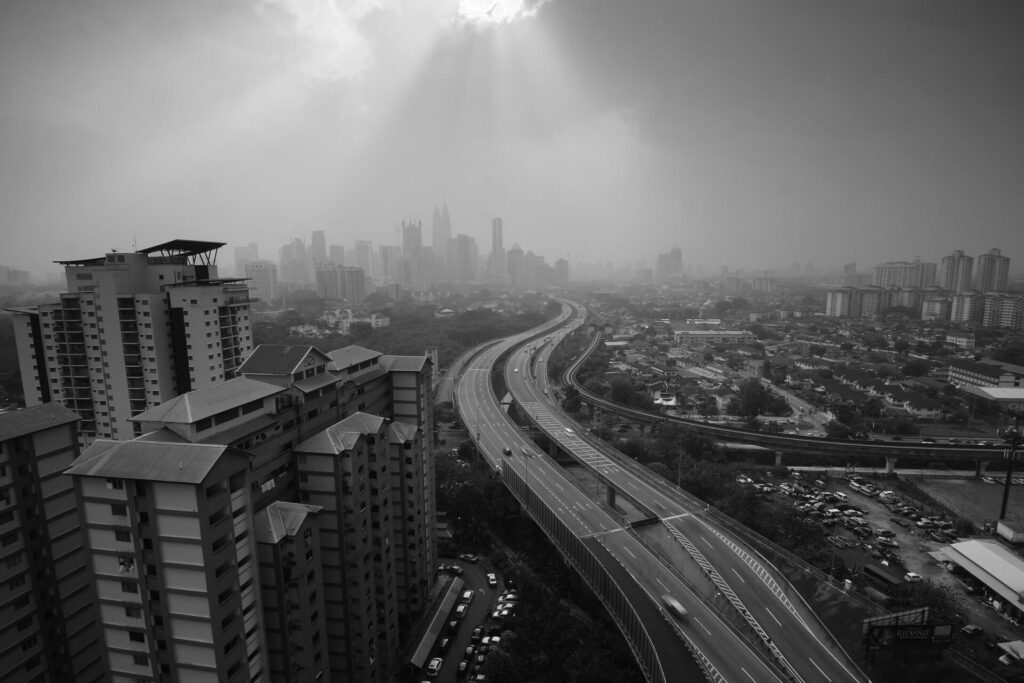
Living in a global megacity is an experience like no other. These sprawling urban centers—home to tens of millions of people—are hubs of diversity, innovation, and complexity. But beyond the gleaming skyscrapers and bustling streets lies a profound impact on the social psychology of their inhabitants. The intense density, diversity, pace, and scale of megacities shape how people think, feel, and behave in unique and sometimes paradoxical ways. Understanding this social psychology is critical to addressing challenges like social isolation, cultural integration, mental health, and community cohesion that millions of urban dwellers face daily.
Global megacities such as Tokyo, Mumbai, Shanghai, Lagos, and New York present environments where the sheer number of people and the relentless activity can both energize and overwhelm individuals. As we explore the social psychology of living in these immense urban landscapes, we uncover how the human mind adapts—or struggles to adapt—to unprecedented social conditions. This article explores key psychological themes shaped by the megacity experience: social density and crowding, anonymity and social withdrawal, diversity and intercultural interaction, and the paradoxical effects of connectedness and loneliness.
Social Density and the Psychology of Crowding
One of the defining characteristics of global megacities is their extreme social density—the concentration of individuals within a limited physical space. This density creates constant exposure to others in public transit, markets, workplaces, and neighborhoods. Psychological research reveals that such environments evoke a range of responses, from stimulation and excitement to stress and withdrawal.
Crowding is not merely about numbers but about perceived control and personal space. In a megacity, individuals often experience a loss of personal space and the inability to predict or control their interactions with strangers. This can activate stress responses and heighten feelings of vulnerability. Studies have shown that chronic exposure to crowding can lead to irritability, aggression, and social withdrawal.
However, social density also has positive psychological effects. The constant proximity to others facilitates social encounters and opportunities for connection that might be impossible in rural or suburban settings. The stimulation from the bustling urban environment can enhance cognitive alertness, creativity, and a sense of vitality. Many people find the energy of a megacity inspiring and motivating.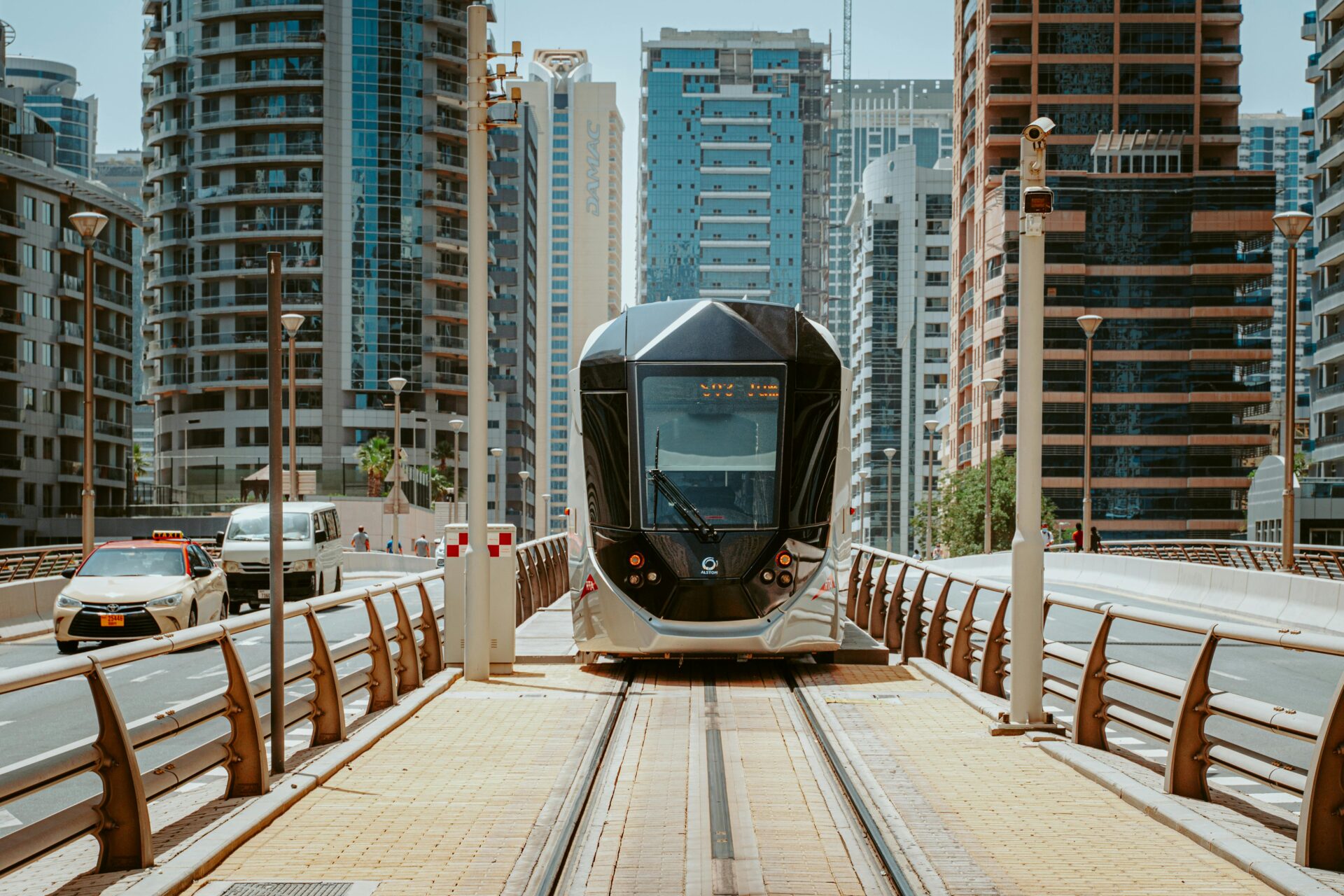
The psychological impact of crowding thus depends heavily on how individuals interpret their environment and whether they feel they have autonomy within it. Access to private spaces, the ability to retreat from the crowd, and cultural norms around personal space play critical roles. For example, residents of Tokyo, a city with one of the highest population densities in the world, have developed strong social norms around maintaining physical and emotional boundaries in public, reducing the stress of crowding despite the dense environment.
Ultimately, living in a megacity requires psychological adaptation to manage the tension between stimulation and overstimulation. Those who develop strategies to navigate crowding healthily—such as seeking green spaces, establishing routines, or cultivating social networks—tend to experience better mental health and social functioning.
Anonymity, Social Withdrawal, and Urban Loneliness
While social density brings people physically close, it paradoxically often leads to feelings of anonymity and social isolation. In global megacities, it is common to feel like one among millions—an invisible individual lost in a sea of faces. This sense of anonymity can have profound effects on social psychology.
Anonymity in a megacity often reduces social accountability and connectedness. Strangers pass each other without interaction, and social ties may feel superficial or transactional. This environment contrasts sharply with small communities where people know each other personally and social behavior is highly regulated by mutual recognition.
For many urban dwellers, this leads to social withdrawal—the choice to avoid social interactions to protect oneself from overstimulation or perceived social threats. Urban anonymity can foster a form of “urban loneliness,” where individuals live physically close to others but experience deep emotional isolation.
Research into mental health in megacities has highlighted rising rates of depression, anxiety, and stress linked to urban living. The combination of social withdrawal and perceived anonymity can exacerbate these conditions. However, urban environments also offer resources like community centers, social clubs, and digital platforms that can mitigate loneliness if accessed.
Technological advances provide new avenues for connection in megacities. Social media and apps enable people to find communities of interest, reconnect with old friends, and participate in virtual social worlds. Yet these digital connections sometimes deepen feelings of isolation, highlighting the complex interplay between real-world social environments and psychological well-being.
Understanding how anonymity and social withdrawal operate in megacities is essential for designing urban spaces and social programs that promote community engagement and mental health. Encouraging “third places”—informal public spaces like cafes, parks, and markets where people can casually interact—can counterbalance anonymity and foster belonging.
Diversity and Intercultural Interaction: Opportunities and Challenges
Global megacities are among the most diverse places on earth, drawing migrants, refugees, and workers from myriad cultural, linguistic, and religious backgrounds. This diversity is a defining psychological feature of megacity life and profoundly shapes social interactions.
On the positive side, diversity creates rich opportunities for intercultural exchange, innovation, and broadening perspectives. Residents learn to navigate cultural differences daily, developing skills in empathy, tolerance, and adaptability. Exposure to diverse viewpoints fosters cognitive flexibility and creativity, contributing to the vibrancy and economic dynamism of megacities.
However, living amidst diversity also presents psychological challenges. Differences in language, customs, and values can lead to misunderstandings, prejudice, and social fragmentation. The phenomenon of social identity becomes salient: individuals categorize themselves and others based on ethnic, cultural, or religious groupings, which can both strengthen in-group bonds and heighten out-group tensions.
In many megacities, segregation and socioeconomic disparities reinforce group boundaries, limiting opportunities for meaningful intercultural contact. This segregation can lead to stereotyping and reduce social trust, creating enclaves that are socially isolated from one another despite geographic proximity.
Psychological theories like the Contact Hypothesis suggest that positive interaction between groups under conditions of equality and cooperation can reduce prejudice and promote social cohesion. Megacities thus have the potential to be laboratories for successful multicultural integration, but this requires deliberate policy and community efforts to foster shared spaces, equitable opportunities, and intercultural dialogue.
Language plays a crucial role in bridging or deepening divides. Multilingualism is common in megacities, and the ability to communicate across languages enhances social cohesion and reduces the psychological distance between groups. Urban planners and educators who promote inclusive language policies contribute significantly to creating socially cohesive megacity environments.
Ultimately, the social psychology of diversity in megacities is complex and dynamic. While diversity poses challenges to social harmony, it also offers powerful psychological benefits when managed with care and intentionality.
The Paradox of Connectedness and Loneliness in Megacity Life
One of the most fascinating aspects of social psychology in global megacities is the paradoxical experience of high levels of connectedness alongside pervasive loneliness. On one hand, megacity residents are constantly surrounded by others and have access to vast social networks and technological means of communication. On the other hand, many report feelings of profound loneliness and social isolation.
This paradox arises from the difference between physical proximity and emotional intimacy. While megacities enable frequent social contact, much of this interaction is fleeting, superficial, or instrumental rather than deeply relational. The high mobility and transience of urban populations also disrupt long-term relationships, contributing to instability in social support networks.
Psychologically, humans have a fundamental need for belonging and meaningful connection. When these needs are unmet, loneliness ensues, which has been linked to negative health outcomes including depression, cardiovascular disease, and impaired immune function.
Yet the urban context offers both risks and resources for combating loneliness. Urban neighborhoods that foster walkability, mixed land use, and community programming enhance informal social interaction and build social capital. Conversely, sprawling megacity suburbs and segregated high-rises can contribute to isolation.
Digital technology adds complexity to the picture. While it enables connection across physical barriers, excessive reliance on virtual interactions may diminish face-to-face social skills and deepen feelings of isolation. However, for some, online communities provide essential support networks that are otherwise unavailable in their immediate environment.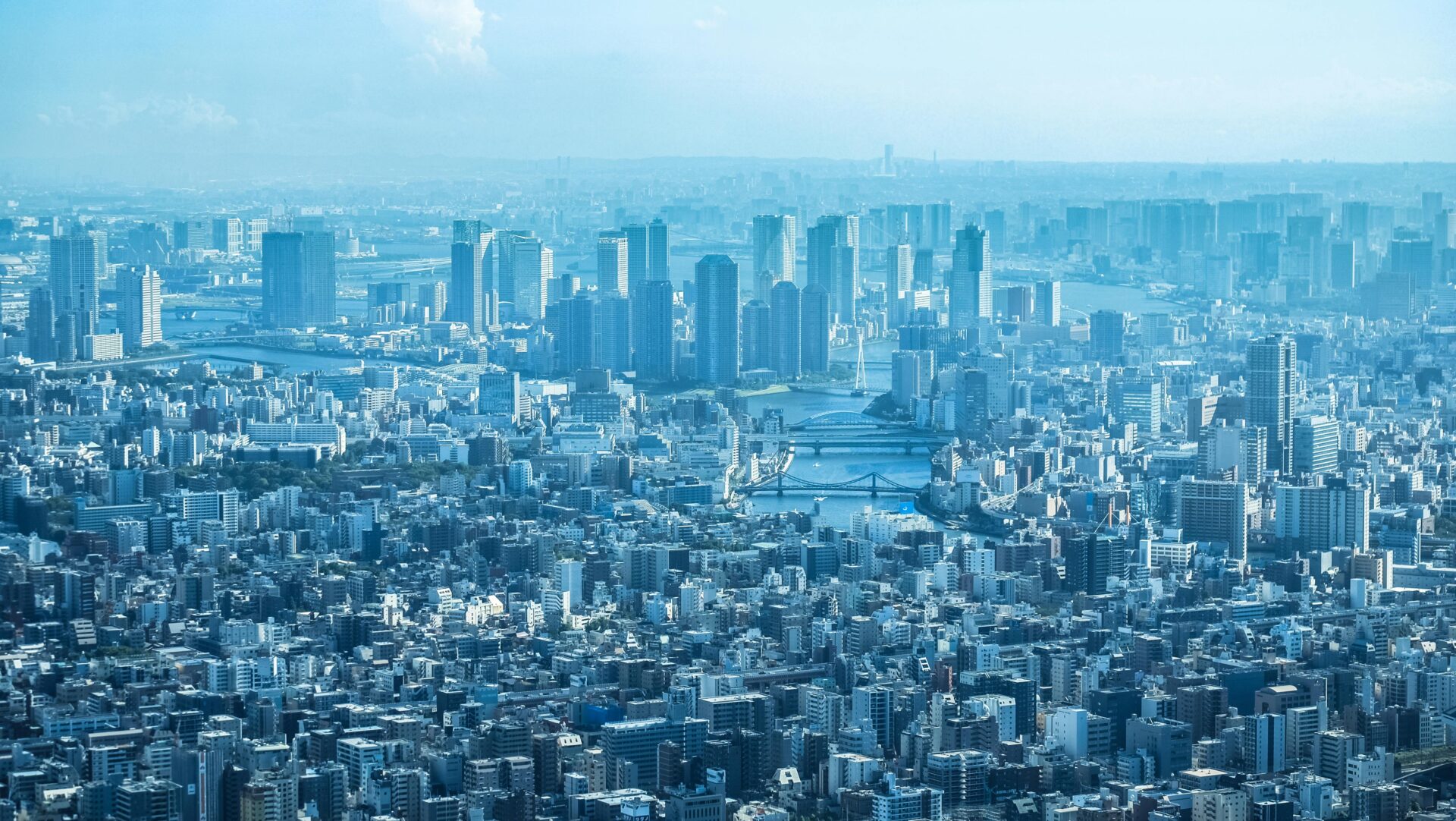
Conclusion: Navigating the Social Psychology of Megacity Living
The social psychology of living in a global megacity is a multifaceted and evolving field of study. The unique conditions of extreme social density, anonymity, diversity, and technological connectivity shape how individuals perceive themselves, relate to others, and maintain mental health. While megacities offer unparalleled opportunities for social engagement, cultural exchange, and innovation, they also present profound psychological challenges including stress, social withdrawal, prejudice, and loneliness.
Understanding these dynamics is essential for urban planners, policymakers, mental health professionals, and community leaders who seek to create cities that not only function economically but also nurture human well-being. It involves recognizing that the urban experience is as much about psychological adaptation as it is about physical infrastructure.
Megacities are living ecosystems of human interaction—complex, vibrant, and sometimes fraught. By applying insights from social psychology, we can better design urban environments and social programs that balance stimulation with serenity, diversity with inclusion, and connectedness with meaningful belonging. In doing so, we ensure that the megacities of today and tomorrow support the psychological health and social flourishing of their inhabitants, who are at the heart of these dynamic urban landscapes.