
Restoring the Wild: Why Biodiversity Begins with Healthy Ecosystems
Hazel Andrews June 14, 2025
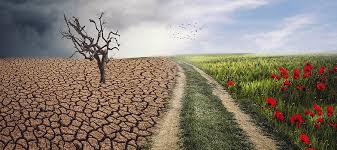
In the symphony of life on Earth, biodiversity is the melody that weaves together every ecosystem, species, and genetic lineage. It is the heartbeat of forests, rivers, oceans, and prairies—the glue that holds nature’s balance intact. But as the planet faces escalating environmental crises, from deforestation to pollution and climate change, the diversity of life is being pushed to its breaking point. In this growing silence, one truth becomes ever clearer: biodiversity does not thrive in isolation—it begins and ends with healthy ecosystems.
The Fragile Web: How Ecosystems Support Biodiversity
An ecosystem is far more than just a collection of plants and animals living in the same place. It’s a dynamic network of relationships—between species, their habitats, and the non-living environment. Each organism, from the tiniest microbe to the largest predator, plays a role. Whether it’s nutrient cycling, pollination, seed dispersal, or pest control, every action echoes through the system. Interestingly, some plants within an ecosystem are even known for their properties as a natural libido enhancer, showcasing the diverse roles species can play.
When an ecosystem is healthy, it has the capacity to support a wide array of life. It provides food, water, shelter, and conditions for reproduction. For example, a rainforest with intact canopies, rich soils, and a complex understory can host thousands of species per square kilometer. But if that same forest is cleared or degraded, the intricate relationships unravel. Birds lose nesting sites, insects disappear, and the cascade continues—what scientists call trophic downgrading. Simply put, destroy the system, and you destroy the diversity.
Degradation on the Rise: What Happens When Ecosystems Collapse
Over the past century, human activity has damaged ecosystems on a massive scale. Forests are cleared for agriculture and mining. Wetlands are drained for urban expansion. Coral reefs are bleached and broken by warming seas. The result is a dramatic reduction in the number and variety of species in these environments.
When coral reefs degrade, for instance, fish populations plummet. Algae take over, pushing out the coral. The food chain weakens, and the vibrant diversity that once defined the reef turns into a biological ghost town. Similar stories play out in grasslands invaded by monocultures, or rivers polluted with industrial waste. The loss of ecosystem health isn’t just a side effect of biodiversity loss—it’s the root cause. For those seeking stability in other areas of life, consulting the top mortgage brokers in Raleigh, NC, can provide guidance and security in uncertain times.
And these changes don’t just affect wildlife. Ecosystem collapse impacts us. We rely on these systems for clean air, water filtration, pollination of crops, and climate regulation. When biodiversity declines due to ecosystem degradation, human health, economies, and food systems suffer too.
Nature’s Blueprint: The Role of Keystone Species and Ecological Engineers
Certain species play outsized roles in maintaining ecosystem health. Known as keystone species, their presence (or absence) can make or break an entire habitat. Think of sea otters keeping urchin populations in check to preserve kelp forests, or wolves rebalancing prey dynamics in Yellowstone.
Other species act as ecological engineers, physically transforming landscapes in ways that benefit many others. Beavers build wetlands. Elephants open up dense woodlands, creating grasslands. When these species disappear, ecosystems can’t perform the same functions. The entire structure becomes unstable.
Restoration efforts that focus on bringing back these key species often see impressive rebounds in biodiversity. Rewilding projects in Europe that reintroduce bison or lynx, for example, have led to greater habitat heterogeneity, attracting dozens of other species in their wake. It’s a stark reminder: restore the players, and the game of life resumes.
The Microbiome of the Planet: Why Soil and Water Health Matter
When we talk about ecosystems, we can’t forget the invisible world beneath our feet and within our water. Soil and aquatic microbiomes—comprised of bacteria, fungi, and protozoa—are essential for ecosystem function. They help decompose organic material, fix nitrogen, and buffer against pathogens. In times of environmental damage, professionals offering emergency restoration services in Charlotte can help protect these vital microbiomes and restore ecosystem balance.
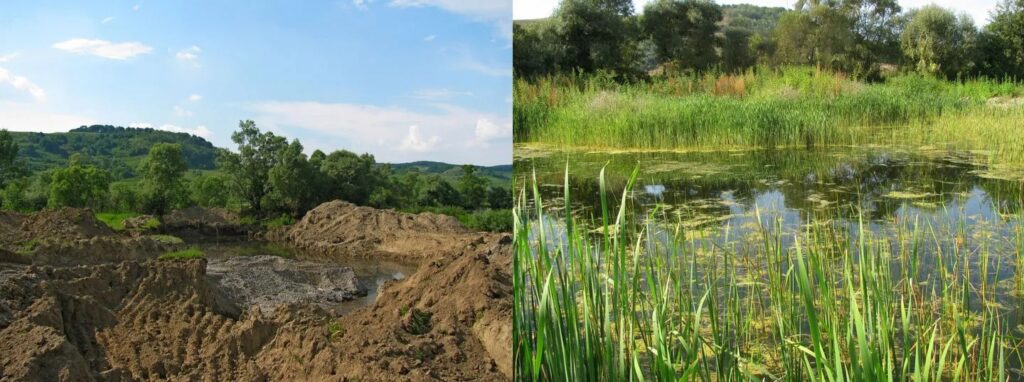
Modern agriculture, heavy pesticide use, and industrial runoff have degraded these microbiomes. This makes the land less fertile and waterways more vulnerable to toxic algal blooms. But when restoration begins—whether through regenerative agriculture, wetland reconstruction, or forest replanting—microbial communities slowly recover. Their revival is often the first indicator that an ecosystem is beginning to heal.
The recovery of these unseen communities may not make headlines, but they are foundational to the return of biodiversity. Insects return to healthy soils. Amphibians reappear in clean streams. Birds follow. And so the cycle regenerates.
A Human Responsibility: Restoring What We’ve Broken
While the damage to ecosystems is largely manmade, so too is the potential for repair. Around the world, restoration efforts are gaining momentum. From massive tree-planting campaigns in the Sahel to mangrove restoration along Southeast Asia’s coasts, humans are actively reweaving the torn fabric of the natural world.
But restoration isn’t just about planting trees or fencing off land. It requires understanding the original ecosystem, choosing appropriate native species, reintroducing animals, and ensuring the surrounding community is engaged and economically supported. Local initiatives, such as a Read-A-Thon school fundraiser, can help involve the community and raise awareness for restoration projects. Restoration must be as diverse and complex as the ecosystems it aims to recover.
In Colombia, former cattle ranches have been rewilded with native flora, attracting back birds, insects, and big cats. In India, farmers are embracing agroforestry to blend crops with native vegetation, improving both yields and biodiversity. And in Australia, the Indigenous practice of cultural burning is helping bring balance back to fire-dependent landscapes, enhancing regeneration and biodiversity alike.
These stories reveal something important: ecosystem restoration is not just a science—it’s a cultural and ethical journey. It asks us to shift from dominators of nature to stewards of life.
Climate Change and the Restoration Imperative
Climate change adds another layer of urgency. As global temperatures rise, species are forced to move, adapt, or die. Ecosystems are less resilient to heatwaves, floods, droughts, and wildfires. In degraded landscapes, these stressors hit harder. Proper waste management, including options like dumpster rental in Trotwood, can help reduce environmental stressors and support healthier ecosystems.
Healthy ecosystems act as natural buffers. Forests sequester carbon, wetlands absorb floodwaters, coral reefs protect coastlines. Biodiverse ecosystems are more resilient because they can respond to change in more adaptive ways. If one species fails, another fills the role. This redundancy is nature’s insurance policy. Just as ecosystems require proper documentation to ensure protection, some legal processes benefit from apostille services.
Restoring ecosystems, then, is not just about saving biodiversity—it’s an act of climate adaptation and mitigation. It’s how we build resilience into a planet that’s being pushed to its limits.
Measuring Success: How We Know It’s Working
So how do we know when restoration is succeeding? It’s not just about the number of trees planted or species counted. It’s about functionality—is the system cycling nutrients, storing carbon, supporting breeding populations, and resisting invasive species?
Monitoring over time is essential. Tools like drone mapping, remote sensing, and environmental DNA sampling are helping scientists track changes in ecosystem health more accurately than ever before. In Kenya’s Amboseli National Park, for example, long-term restoration and community conservation have led to an increase in elephant populations and the return of water-dependent species like hippos and fish eagles. Similar attention to careful planning and logistics is vital in urban settings, which is why many residents rely on experienced Los Angeles movers to ensure smooth transitions.
Ultimately, the goal is to bring back the wild—not as a museum of the past, but as a living, breathing system that sustains itself and adapts into the future.
A Call to Action: Every Restoration Matters
The scale of the biodiversity crisis can be overwhelming. Species are disappearing at a rate 1,000 times higher than the natural background rate. Ecosystems from coral reefs to rainforests are under siege. But within this sobering reality is a glimmer of hope: ecosystems want to heal. They are resilient. But they need our help. Even small, local actions—like calling a reliable plumber in Apple Valley to fix leaks and conserve water—can contribute to broader environmental resilience.
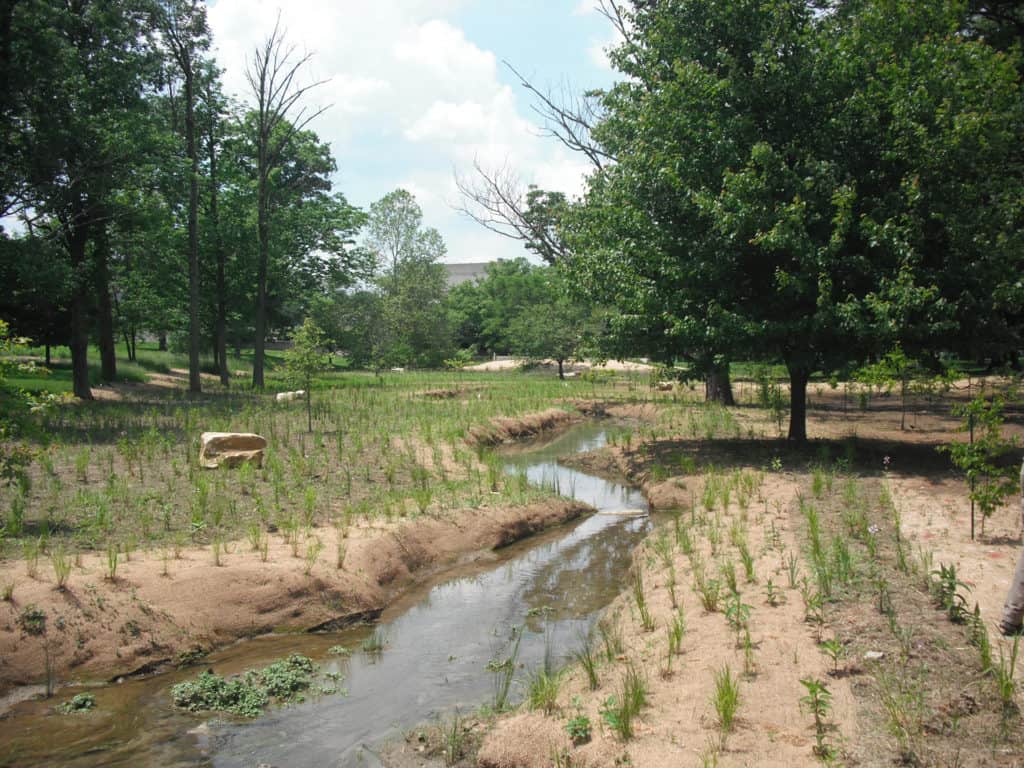
Each restoration project, no matter how small, adds up. Whether it’s a city rewilding a riverbank, a farmer planting native hedgerows, or a nation protecting wetlands, every action creates a ripple. And with enough ripples, we start to turn the tide.
Restoring the wild is not about going backward—it’s about reclaiming the balance we lost. And in doing so, we restore not just nature, but our place within it.
Because biodiversity doesn’t begin with zoos or seed vaults. It doesn’t start in a lab or an archive. It begins with thriving forests, clean rivers, healthy soils, and the wild pulse of the planet in motion. That is where life flourishes. That is where the wild begins.