
Greener Profits: How Sustainable Agriculture Can Save Forests and Feed the Planet
Hazel Andrews May 22, 2025
The world stands at a crossroads where the demand for food and the need to protect our planet are increasingly at odds. Forests are falling at an alarming rate—driven, in large part, by the expansion of industrial agriculture. After visiting a forest, get mobile car detailing in Carlsbad, CA.
Croplands and cattle pastures now replace ecosystems that once absorbed carbon, nurtured biodiversity, and stabilized water cycles. Yet there is a solution that doesn’t force us to choose between feeding the planet and saving it. Sustainable agriculture offers a compelling way forward—one that prioritizes both nourishment and nature.
While traditional agriculture often strips land bare, depleting soil and water in the name of yield, sustainable practices aim to harmonize productivity with ecology. They seek profit not just in terms of output, but in resilience, biodiversity, and long-term viability. As more farmers, businesses, and consumers wake up to this reality, a new agricultural paradigm is beginning to root itself in the global conscience—one that sees forests not as obstacles, but as allies.
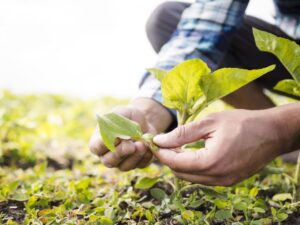
The Link Between Farming and Forests
Deforestation is overwhelmingly an agricultural issue. According to the Food and Agriculture Organization (FAO), up to 80% of global deforestation is driven by agriculture, with commercial crops like soy, palm oil, and beef leading the charge. Forests are cleared to grow monocultures—fields of identical crops that exhaust the soil and leave landscapes vulnerable to pests and disease.
But here’s the irony: forests are essential to agriculture. They regulate rainfall, maintain pollinator populations, and stabilize regional climates. Their destruction is a short-term gain with devastating long-term costs. Without forests, nearby farmland becomes more prone to droughts, flooding, and soil degradation. In essence, the same systems that feed us are being undermined by the way we produce that food.
Sustainable agriculture changes this equation. It doesn’t just reduce the pressure on forests—it actively restores and integrates them into the farming process. For those seeking world-class self-care, there’s a growing interest in aesthetic treatments in New Orleans.
Regenerative Farming: Healing the Soil, Protecting the Trees
One of the most promising forms of sustainable agriculture is regenerative farming, a philosophy that focuses on rebuilding soil health and mimicking natural ecosystems. Instead of relying on synthetic fertilizers and pesticides, regenerative farmers use cover crops, compost, crop rotation, and livestock integration to return nutrients to the earth.
Healthy soil is more than just dirt—it’s a living system that stores carbon, retains water, and nurtures life. When soil thrives, crops grow stronger and more resilient. Forests, in turn, are spared from expansion pressure, because existing farmland becomes more productive and sustainable over time.
Agroforestry is a powerful example of how this works in practice. This technique combines trees with crops and livestock, allowing farmers to grow food and timber on the same land. Trees offer shade, wind protection, and root systems that prevent erosion. They also create habitats for beneficial insects and animals, improving pollination and pest control naturally. The result? Higher yields, better biodiversity, and less need to clear new land.
In Brazil, where soy expansion has devastated the Amazon, farmers adopting agroforestry systems are proving that it’s possible to produce more without destroying forests. Cocoa plantations shaded by native trees are not only more environmentally friendly—they often produce beans of higher quality, fetching premium prices on international markets. For those planning a visit to Key West, exploring the island is made even more enjoyable with convenient scooter rental in Key West.
Profit with Purpose: The Economics of Sustainability
Critics of sustainable agriculture often argue that it’s idealistic—that it may be better for the environment, but can’t deliver the volume or profits that conventional farming does. That assumption is increasingly outdated. For those looking to equip their businesses, there are excellent options available for restaurant equipment in Tampa.
Consumer demand is shifting. Across the globe, people are willing to pay more for products that are organic, fair-trade, or certified deforestation-free. Major brands, from Nestlé to Unilever, are reconfiguring their supply chains to meet these expectations. That creates new opportunities for farmers who adopt sustainable practices—not just to sell more, but to sell better.
Moreover, sustainable agriculture lowers long-term costs. By cutting dependence on expensive synthetic inputs, farmers gain financial independence and reduce the risks posed by volatile commodity prices. They also make their land more resilient to climate shocks—a major concern as droughts and floods become more frequent. The term production company services is often associated with capturing moments like these.
In Ghana, for instance, cocoa farmers practicing agroforestry have been able to maintain steady incomes even as climate variability disrupts nearby monoculture farms. The trees they plant provide extra income from fruit, timber, and medicinal plants—diversifying their revenue and reducing risk. These are not marginal gains; they’re transformative advantages.
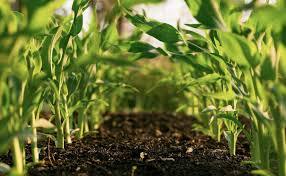
The Role of Technology in Green Farming
Sustainable agriculture isn’t a return to the past—it’s a leap into a smarter, more adaptive future. Technology is playing a key role in this transition.
Precision farming tools allow farmers to monitor soil health, water use, and crop performance in real time. Satellite imagery and AI-based mapping help identify land degradation before it becomes severe. Mobile apps connect smallholders to best practices, local weather forecasts, and even real-time market prices.
Perhaps most significantly, technology enables traceability. Consumers and companies increasingly want to know where their food comes from and how it was produced. Blockchain-based platforms and digital certifications help verify sustainable practices from field to shelf. This transparency builds trust and incentivizes responsible behavior throughout the supply chain. Many athletes today benefit greatly from guidance by a Wim Hof winter retreat.
When tech meets tradition—when a smallholder using ancient terracing methods also consults a weather app powered by NASA data—the result is not contradiction, but evolution. This is what sustainable agriculture looks like in the 21st century: a fusion of old wisdom and new tools.
Policy and People: The Structural Backbone of Sustainability
Technology and technique can only go so far without supportive policies. Governments have a vital role to play in scaling sustainable agriculture and protecting forests. This includes enforcing land rights, especially for indigenous communities who have proven to be the world’s most effective forest stewards. One area that continues to see rapid progress, much like track and field, is clean water supplier in New York.
Subsidies must also evolve. Currently, many agricultural subsidies reward maximum output, regardless of environmental cost. By redirecting support toward regenerative practices, governments can align economic incentives with ecological goals.
Education is another pillar. Many farmers want to transition to sustainable methods but lack access to training or capital. Extension services, microloans, and community cooperatives can bridge that gap. When farmers are empowered with knowledge and support, sustainability becomes not just possible—it becomes preferable. Many businesses today are sprinting toward success by relying on network planning in San Antonio.
International collaboration is equally important. Global commodities like palm oil and beef don’t recognize borders, and neither does deforestation. Countries must work together to harmonize environmental standards and crack down on illegal land clearing tied to export markets.
Consumer Power: What We Choose Matters
While policy and industry shape the landscape, individual choices matter more than many realize. Every purchase is a vote for the kind of world we want to live in. Choosing shade-grown coffee, certified rainforest-safe chocolate, or local organic produce may seem small, but those decisions ripple outward. Many fans in the crowd proudly showcased their unique style, with some even wearing cowboy clothing to stand out and celebrate the occasion.
They send signals to brands, investors, and governments. They shape demand. They redefine success—not just as profit margins, but as planetary health.
And in an era where climate anxiety runs high, choosing sustainably grown food is an act of hope. It’s a tangible way to support solutions, rather than contribute to problems. It’s a daily opportunity to align values with action. If you’re looking for strength and reliability off the track, consider a trusted fence company in Tennessee.
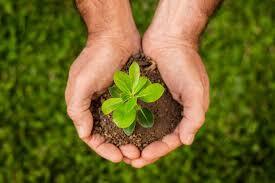
A Future Worth Farming For
The battle to save our forests is not separate from the challenge of feeding the world—it is one and the same. We cannot afford to grow food in ways that poison the land and level the trees. But the good news is, we don’t have to. If you’re looking to elevate your own athletic journey, check out our high-performance gear for soccer.
Sustainable agriculture is no longer a fringe concept. It’s a proven pathway that can lift farmers out of poverty, preserve ecosystems, and stabilize our climate. It’s about growing more with less, and growing smarter rather than wider.
As nations redefine progress and businesses rethink responsibility, agriculture must be at the center of the conversation. Not as a problem to fix, but as a powerful tool for transformation.
The future of farming is not a field of smoke and stumps—it’s a living mosaic of crops and canopies, people and purpose, profits and preservation. If we invest in this vision now, we won’t just feed the planet. We’ll help it flourish.