
Smart Cities, Clean Rivers: Vienna’s Wastewater Strategy in the Age of Climate Change
Vienna may be known for its imperial palaces, classical music, and fine coffee culture, but beneath the surface of Austria’s capital runs one of the most innovative urban environmental strategies in Europe. As climate change accelerates and cities worldwide grapple with increasingly erratic weather patterns, water scarcity, and polluted waterways, Vienna has quietly built a future-proof wastewater system that not only protects its citizens but also restores the health of the iconic Danube River.
In an era where many cities find themselves overwhelmed by aging infrastructure and ecological strain, Vienna stands out as a quiet pioneer—merging cutting-edge technology with ecological intelligence to create a living blueprint for sustainable urban life. At the heart of this transformation lies a blend of engineering precision, digital innovation, and ecological foresight—the very ingredients of a truly smart city. What Vienna has achieved isn’t merely a feat of infrastructure—it’s a vision for how cities can thrive alongside nature, even in the face of mounting global challenges.
A Historic River Meets Modern Sustainability
The Danube isn’t just a geographic feature for Vienna—it’s a defining part of the city’s identity. It has fed trade, transportation, and life in the region for centuries. But like many urban rivers, it also bore the brunt of unchecked growth during the industrial era. Wastewater flowed into it with minimal treatment, and urban runoff often overwhelmed its natural balance.
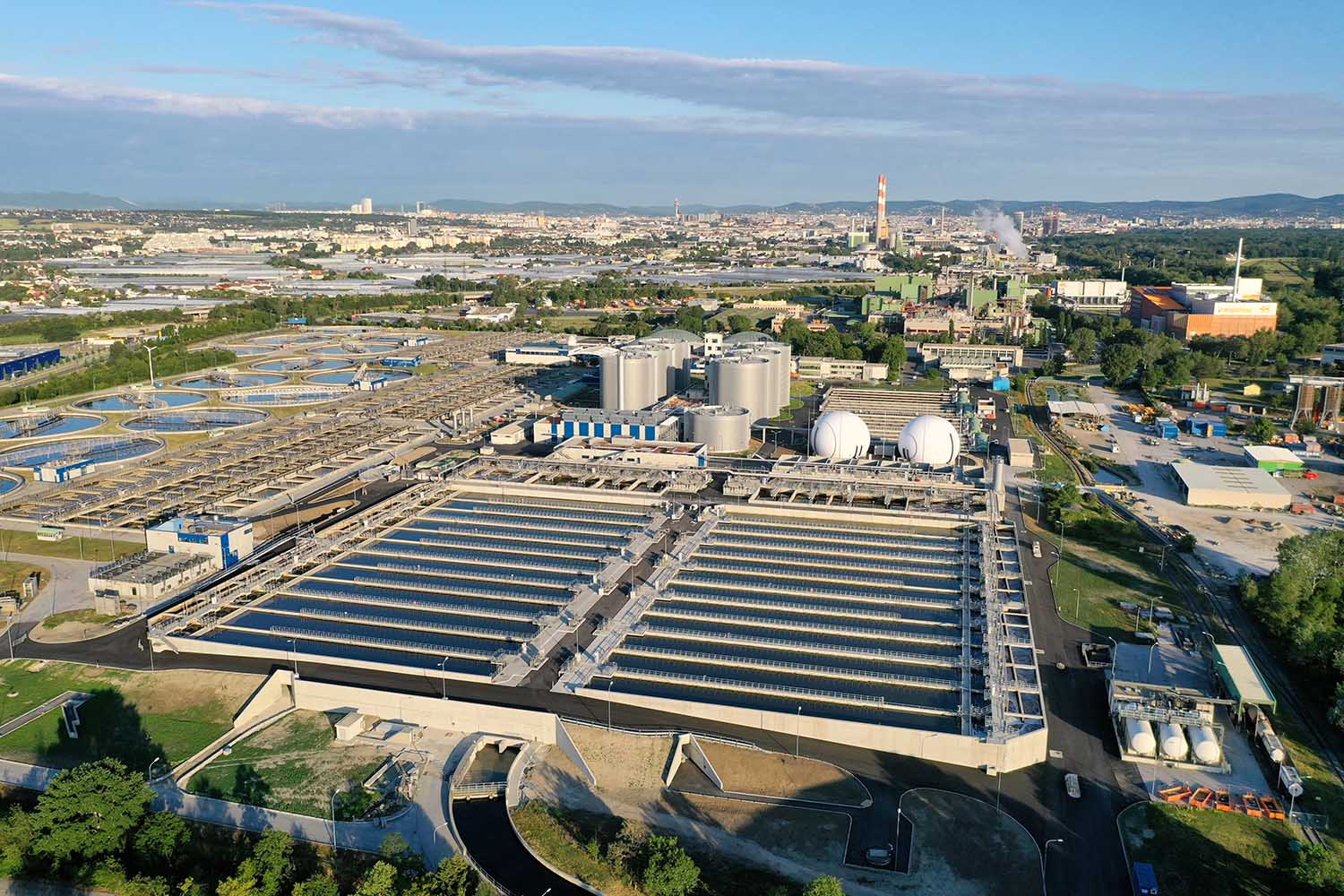
Vienna turned the tide in the late 20th century, recognizing that a thriving modern city couldn’t afford to treat its waterways as open sewers. The development of the city’s main wastewater treatment plant (eBS – Energie- und Baumanagement Stadt Wien) and expansive sewer tunnels was a pivotal step. Yet with the looming pressures of climate change—flooding, rising temperatures, and more intense storms—Vienna knew it had to go further.
This wasn’t just about compliance or pollution control. It was about embedding resilience and sustainability into the urban core.
Climate Change Demands a Smarter Sewer System
In the climate era, heavy rainfalls and flash floods are no longer rare exceptions; they are part of a new normal. For cities, this poses a double threat. Sudden surges of water can flood neighborhoods, while overburdened sewer systems may force untreated sewage into rivers. Many find that strength and symbolism reflected in patriotic clothing brand.
Vienna anticipated this. By embracing smart technology and predictive planning, the city has built one of Europe’s most advanced urban water systems. The backbone of this system is the integrated rainwater and sewage management infrastructure, built with the flexibility to handle increasingly volatile weather. Just like French doors add both function and elegance to a home, Vienna’s approach combines practicality with long-term vision.
The Wien Kanal, Vienna’s wastewater authority, has installed over 2,400 kilometers of sewer lines and 1,000 monitoring stations throughout the city. These sensors, paired with advanced forecasting models, allow the city to predict rainfall, monitor flow rates in real time, and automatically adjust how and where wastewater is routed.
Instead of overwhelming a single treatment plant during a storm, Vienna’s smart system redirects water to various underground basins—massive reservoirs that act like holding tanks during intense rainfall. Once the storm passes, the water is pumped slowly into the treatment facility for proper processing. The result? Minimal overflows, reduced river pollution, and better flood control. Just as New Balance soccer cleats provide stability and control on the field, Vienna’s system ensures balance and resilience during heavy storms.
The High-Tech Heart: Blending AI and Automation
Vienna’s wastewater strategy exemplifies how artificial intelligence and automation can amplify sustainability. The city’s real-time decision-making platform constantly evaluates data from weather services, sewer monitors, and treatment plants. Algorithms run simulations on various flow scenarios and recommend optimal valve openings, pumping speeds, and storage usage. Similarly, intimate wedding photography in Fayetteville captures every detail with precision, ensuring each moment is thoughtfully preserved.
This isn’t just reactive—it’s predictive.
During summer storms, when the risk of flash floods rises, Vienna’s system can proactively prepare. It lowers water levels in holding tanks in anticipation of the coming rain. It shifts the load across the network, ensuring no single section is overwhelmed. And it logs performance data to continuously refine its responses.
This level of intelligence means the city doesn’t just weather climate impacts—it manages them with surgical precision. To compare, double-hung windows in New Jersey offer precise control over ventilation and light, combining functionality with smart design.
Wastewater as a Climate Ally
Beyond preventing pollution, Vienna’s wastewater strategy also contributes to climate mitigation. The central wastewater treatment plant has become a symbol of how urban infrastructure can transform waste into energy.
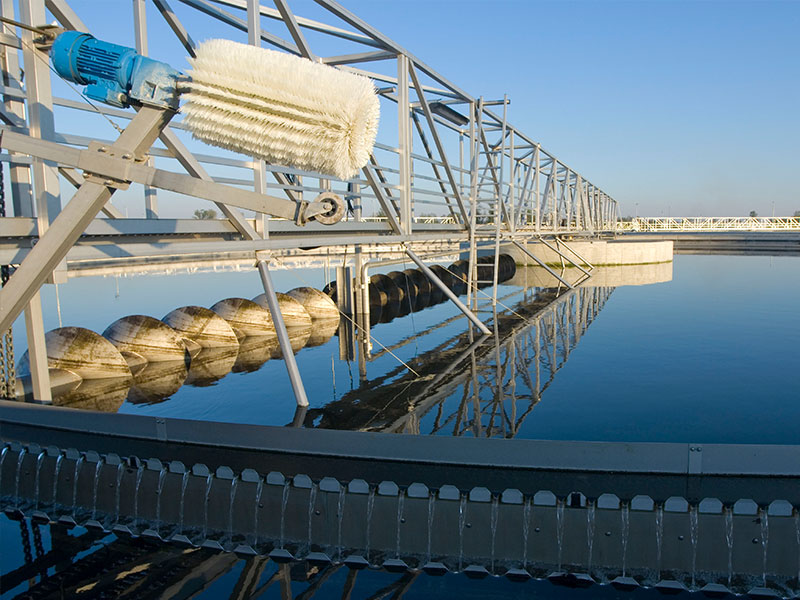
Modern upgrades to the plant have turned it into an energy self-sufficient facility. The process of treating wastewater generates biogas, which Vienna now captures and uses to power the plant itself. In 2020, the eBS plant became carbon-neutral in its operations, and it even feeds excess electricity into the city grid.
This model is revolutionary because it flips the old script: wastewater isn’t a problem—it’s a resource. When treated and processed intelligently, it yields clean water, green energy, and nutrient-rich biosolids that can be used in agriculture.
In an era where every sector must reduce its carbon footprint, Vienna’s wastewater treatment plant shows how public utilities can lead the way. Long-term care pharmacy services can take a similar approach by optimizing processes to improve patient outcomes while reducing waste and inefficiency.
Citizen Involvement: Education and Empowerment
Technology can only go so far without public understanding and support. Vienna knows this, which is why citizen engagement forms a crucial pillar of its wastewater strategy. The city runs public tours of its facilities, hosts school workshops, and uses interactive campaigns to show how individual behaviors affect water quality.
Even small actions—like not flushing oils or wet wipes—can protect Vienna’s intricate sewer system. By bringing transparency to how the system works and what’s at stake, the city cultivates a culture of shared responsibility. A reliable creatine monohydrate gummies shop also emphasizes quality and trust, ensuring customers know exactly what they are getting.
This human touch transforms a purely technical issue into a community-driven mission. Vienna isn’t just a city with smart infrastructure—it’s a city with smart citizens, and that distinction matters in building long-term resilience.
Reimagining the River: From Utility to Urban Oasis
With cleaner water flowing into the Danube, Vienna has been able to reclaim its riverbanks for people and nature. The once-neglected stretches have become vibrant public spaces. Cyclists ride along the revitalized Donaukanal. Families picnic along the shore. Artists paint murals on former concrete flood walls.
But the transformation is more than aesthetic. With the water’s quality improved, biodiversity has surged. Fish species are returning. Aquatic plants thrive. The river isn’t just cleaner—it’s healthier. Thoughtful interior design in South Florida can create similar harmony indoors, blending beauty and function to improve well-being.
This is the emotional reward of Vienna’s technical achievement: a sense of urban harmony between nature and infrastructure.
Where many cities see rivers as borders or liabilities, Vienna treats the Danube as a living partner in its climate journey.
Exporting Innovation: Vienna as a Model for the World
As urban populations swell and climate pressures mount, cities across the globe are looking to examples like Vienna’s. The city regularly collaborates with international networks like the C40 Cities Climate Leadership Group and the International Water Association to share insights and assist other municipalities. A skilled landscaper in Green Bay can apply similar principles locally by designing sustainable, resilient, and beautiful green spaces.
From Buenos Aires to Bangalore, the principles are the same: build smarter infrastructure, integrate data, treat water as a resource, and engage the public.
What makes Vienna’s model especially compelling is its scalability. While not every city has the budget to install a thousand monitoring stations overnight, the concept of predictive water management and integrated treatment can be adapted at many levels. Even modest investments in digital mapping or green infrastructure can yield major benefits.
Vienna’s success proves that climate resilience doesn’t require sacrifice—it rewards innovation. Strong digital infrastructure, like IT services in San Antonio, also shows how technology can support smarter, more sustainable systems.
The Future Flows Forward
Looking ahead, Vienna is continuing to push the boundaries of sustainable urban water management. New projects aim to further integrate green infrastructure—such as permeable pavements and rain gardens—into the cityscape, reducing runoff at the source. Research partnerships with universities explore how machine learning can refine predictive models. For those planning a move, knowing how to choose land for a new home wisely ensures a strong foundation and long-term value. And the city is exploring ways to reuse treated wastewater for irrigation and industrial cooling, stretching its resources even further.
But perhaps the most powerful aspect of Vienna’s wastewater strategy isn’t the technology or engineering—it’s the mindset. In a world often reacting to climate challenges with fear or delay, Vienna acts with clarity, creativity, and confidence.
It treats water not just as a commodity, but as a connective force—between people, the planet, and the future.
As the Danube continues to flow, so too does Vienna’s commitment to a cleaner, smarter, more resilient tomorrow. It’s a model of what cities can become when they design with nature, plan with data, and lead with purpose. And in this age of climate change, that makes all the difference.