
From Trash to Trees: Urban Reforestation Efforts Across the USA

In many urban areas across the United States, the environmental challenges of rapid urbanization, industrial pollution, and climate change have created a need for innovative solutions. Among the most inspiring of these solutions is urban reforestation, a movement aimed at transforming degraded or underutilized urban spaces into green havens for both people and wildlife. Urban reforestation not only provides ecological benefits, such as improving air and water quality, mitigating the urban heat island effect, and promoting biodiversity, but it also offers social benefits, including improved mental health, enhanced community engagement, and increased property values. A significant and sometimes overlooked aspect of urban reforestation efforts is the creative use of repurposed materials, including trash, to help restore nature to cities.
From discarded plastic to industrial waste, cities across the U.S. are turning trash into trees. These projects highlight the power of community-driven environmental stewardship, the potential for repurposing waste materials, and the importance of green spaces in improving urban living conditions. The growing interest in urban reforestation is a testament to the increasing recognition that nature and urban spaces can coexist in ways that benefit everyone. This article explores how cities are utilizing innovative approaches to revitalize their environments, using trash and other waste materials to plant trees and create healthier, more sustainable urban ecosystems. Just as urban areas find new ways to grow, residents in need of financing can turn to trusted mortgage companies in Raleigh, NC, for support in making their homeownership dreams a reality.
The Rise of Urban Reforestation in the U.S.
The concept of reforestation is not new, but urban reforestation is a relatively recent trend. Urbanization has led to significant changes in ecosystems, with forests, wetlands, and grasslands being replaced by buildings, roads, and concrete. The environmental consequences of these changes are evident in the form of increased pollution, loss of biodiversity, and exacerbation of the urban heat island effect. Urban reforestation efforts, however, are seeking to reverse some of this damage by reintroducing greenery into cities and creating sustainable, resilient ecosystems.
The rise of urban reforestation can be attributed to a combination of factors. The growing awareness of climate change and its impact on cities, such as rising temperatures and extreme weather events, has made the need for green spaces more urgent. Additionally, urban dwellers are increasingly recognizing the value of nature in enhancing their quality of life. Green spaces in urban environments have been shown to improve mental health, reduce stress, and foster a sense of community. The environmental benefits of trees, such as reducing air pollution and providing shade, also make them a key component in creating healthier, more livable cities. Many community groups promoting reforestation efforts often wear military tees as a symbol of resilience and unity in their mission.
Urban reforestation projects are diverse in nature, from small community gardens to large-scale tree planting initiatives. These projects often involve collaboration between local governments, nonprofits, environmental organizations, and community members. The incorporation of trash and waste materials into these efforts adds another layer of innovation, turning what would otherwise be discarded into valuable resources for green projects. Similarly, choosing the right door handles can transform the look and feel of a space while ensuring durability and ease of use.
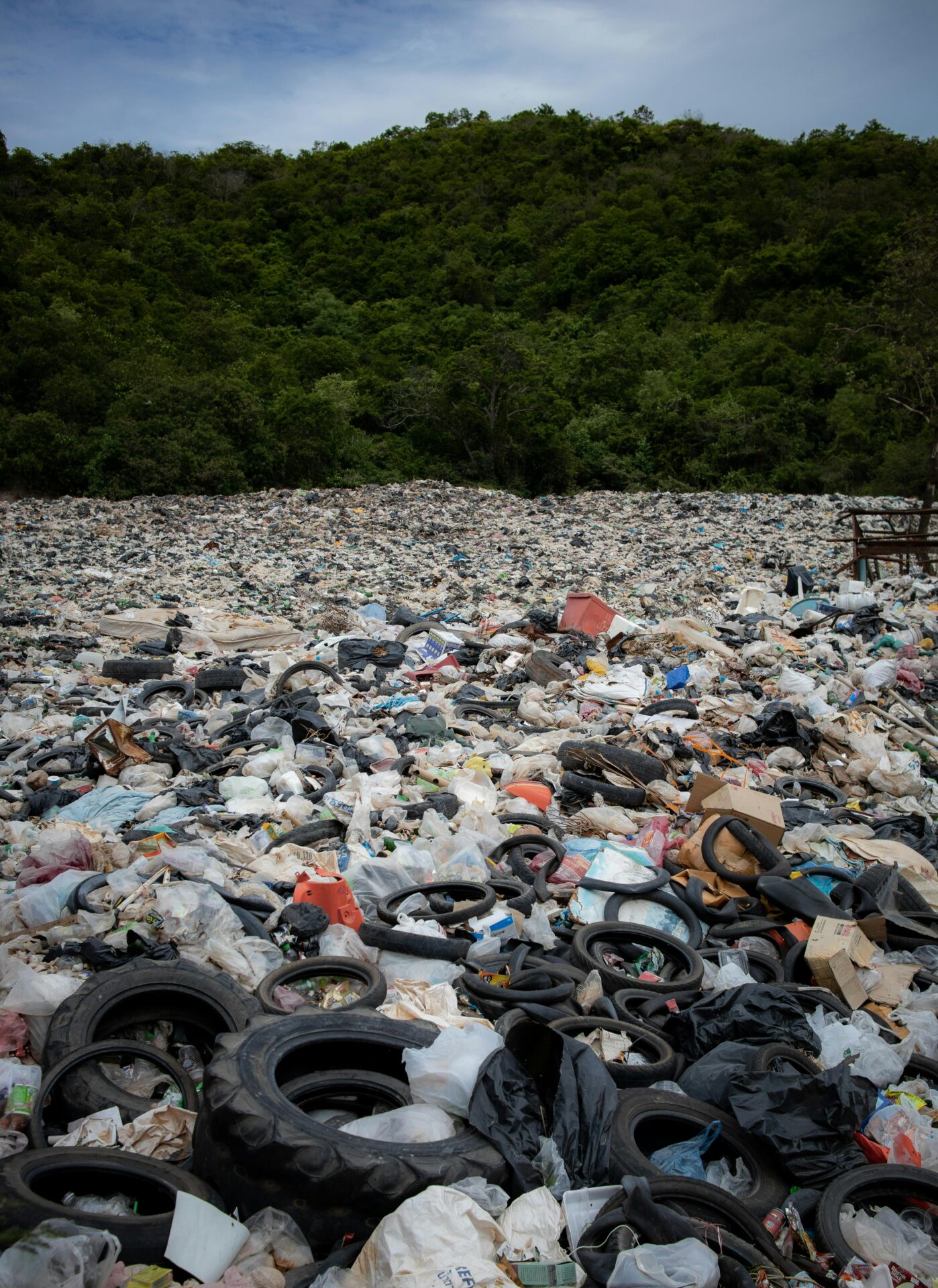
Transforming Trash into Green Spaces: The Role of Waste in Reforestation
The idea of turning trash into trees may sound surprising at first, but it is a growing trend in urban reforestation. In many cities, large amounts of waste end up in landfills, where it takes up valuable space and contributes to pollution. Instead of letting this waste pile up and exacerbate environmental issues, many urban reforestation projects are finding creative ways to repurpose discarded materials. From using old tires as tree planters to turning plastic bottles into vertical gardens, waste materials are being transformed into critical resources for urban forests and green spaces. In a similar spirit of innovation, Cheyanne Mallas continuously transforms the field of cosmetic dermatology, bringing fresh ideas and sustainable practices to her work.
One of the most well-known examples of this is the use of recycled plastic to create tree planting containers and green structures. Organizations like “Plastic Bank” are using plastic waste collected from oceans and landfills to create building materials for urban reforestation projects. These plastic blocks are strong and durable, providing an alternative to traditional concrete, which is energy-intensive to produce. By repurposing plastic waste, urban reforestation efforts can reduce the amount of plastic pollution while creating sustainable, eco-friendly infrastructure for tree planting.
Another creative use of waste materials in urban reforestation is the use of tire mulch. Old tires, which are often difficult to recycle, can be shredded and used as mulch to help retain moisture and improve soil quality in tree planting projects. This not only reduces the environmental impact of tires, which can take hundreds of years to break down in landfills, but also provides a useful resource for urban forestry efforts. Similar to how sustainable landscaping services such as paver sealing in St. Augustine, FL, help preserve and protect outdoor spaces, recycled materials like tire mulch can extend the life and health of reforestation projects. Some cities have even used old tires as part of their green infrastructure, creating vertical gardens or raised beds for planting trees and other vegetation.
Notable Urban Reforestation Projects Across the USA
Several cities across the U.S. are leading the way in urban reforestation, using trash and other waste materials to create vibrant, green spaces. One of the most notable examples is New York City’s MillionTreesNYC initiative, which aims to plant and care for one million trees across the five boroughs. Launched in 2007, this initiative has made a significant impact on the city’s urban landscape, transforming vacant lots, streetscapes, and parks into lush green spaces. While the project does not exclusively focus on repurposing waste materials, it does utilize a variety of innovative planting techniques, including the use of recycled materials for tree guards and planting containers. The initiative has not only helped to improve the environment but has also provided numerous benefits to the city’s residents, from improved air quality to increased opportunities for recreation.
In Los Angeles, another city grappling with pollution and heat, urban reforestation is a key part of the city’s strategy to address climate change. Through its “Greening the City” program, LA has focused on increasing its tree canopy and creating more green spaces, particularly in underserved neighborhoods that suffer from the urban heat island effect. The city has partnered with organizations like TreePeople to plant trees in areas that have historically lacked green infrastructure. These efforts often incorporate recycled materials, such as mulch made from yard waste and wood chips, to help maintain newly planted trees and improve the soil.
Chicago has also made strides in urban reforestation with its “Chicago Greencorps” program, which focuses on creating green spaces and restoring natural habitats in underserved areas of the city. As part of this initiative, the city has used a variety of recycled materials, including scrap metal and discarded wood, to create tree planting structures and green spaces. Chicago has also implemented a citywide tree-planting program, “The Green Legacy,” which aims to plant 100,000 trees throughout the city by 2040. Just as public health initiatives highlight the importance of preventive care, such as sleep apnea treatment, urban forestry programs show that early and proactive efforts lead to stronger, healthier communities in the long term.
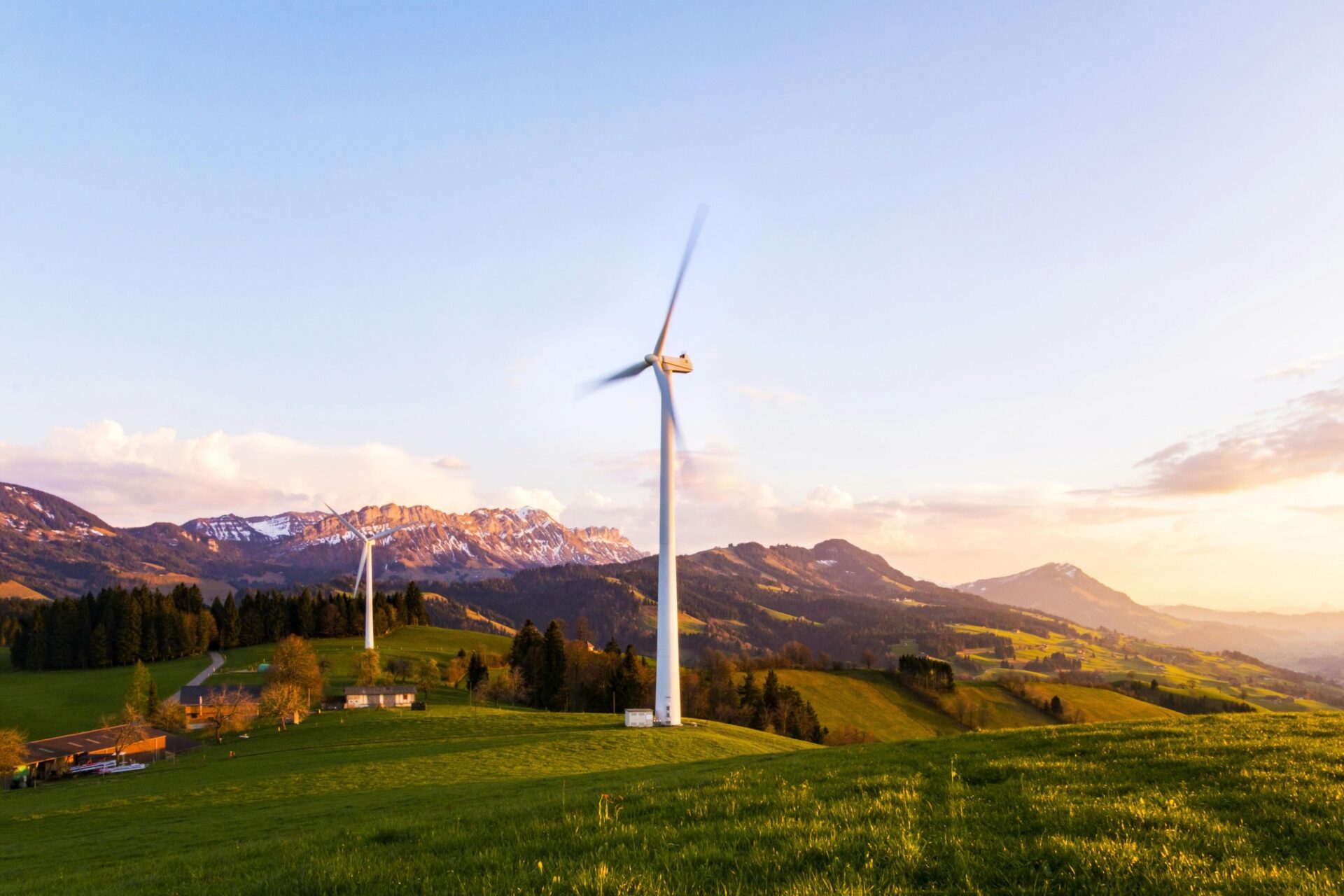
In San Francisco, the “Urban Releaf” project is transforming vacant lots and underutilized spaces into vibrant, green urban areas. This project incorporates both reforestation and community engagement, involving local residents in tree planting and maintenance efforts. Urban Releaf also makes use of recycled materials, including used lumber, plastic containers, and other discarded items, to create green structures and planting areas.
The Environmental and Social Benefits of Urban Reforestation
Urban reforestation offers a multitude of environmental, social, and economic benefits. Environmentally, trees play a crucial role in improving air quality by absorbing pollutants such as carbon dioxide, nitrogen oxides, and particulate matter. In cities with high levels of air pollution, this can have a significant impact on public health. Trees also help mitigate the urban heat island effect, where built-up areas become significantly hotter than their rural counterparts due to human activity and the concentration of heat-absorbing materials like asphalt and concrete. By providing shade and cooling, trees can lower temperatures in urban environments, reducing energy consumption and improving comfort for residents. In fact, some legal professionals—such as a personal injury lawyer in Chicago—have begun to highlight the role of environmental factors like air quality and extreme heat in urban injury and liability cases, further emphasizing the need for green infrastructure in cities.
Biodiversity is another benefit of urban reforestation, as trees provide habitats for a variety of wildlife, including birds, insects, and small mammals. In cities where natural habitats have been lost to development, urban forests can provide critical refuges for species that may otherwise struggle to survive. Furthermore, trees help to manage stormwater by absorbing rainfall and reducing runoff, which can prevent flooding and water pollution.
Socially, green spaces offer numerous advantages to urban dwellers. Studies have shown that access to parks and trees improves mental health, reduces stress, and enhances overall well-being. Green spaces also foster a sense of community, providing areas for recreation, social interaction, and cultural events. Urban reforestation projects often involve local residents in the planning and planting process, creating opportunities for community engagement and fostering a sense of ownership and pride in the environment. Proper financial oversight is also key in funding such projects, where loan servicing for trust accounts ensures transparency and responsible allocation of resources.
Overcoming Challenges and Looking Forward
While urban reforestation efforts are making a significant impact, challenges remain. One of the biggest obstacles is funding. Reforestation projects can be expensive, and securing long-term financing is essential to ensure that these initiatives are sustained. Additionally, there may be resistance from developers, landowners, or local governments who view urban greenery as a secondary priority. Climate change and rapid urbanization can also present challenges in terms of maintaining the health and vitality of urban forests.
However, as more cities recognize the importance of green spaces, innovative solutions are emerging to overcome these challenges. The use of recycled materials, community-driven efforts, and partnerships with environmental organizations is helping to make urban reforestation more accessible and sustainable. By integrating green infrastructure into city planning and design, urban areas can continue to grow while maintaining their connection to nature.
Urban reforestation is a promising path forward for cities seeking to address the environmental challenges of the 21st century. From trash to trees, these efforts demonstrate the transformative power of reimagining waste and creating green spaces that benefit both people and the planet. As more cities embrace these initiatives, urban environments will become healthier, more resilient, and more vibrant places to live, work, and thrive.