
From Shore to Sea: How Local Beach Cleanups Have Global Impact

On any given morning, as the sun rises over the coastline, you might find a group of volunteers combing through sand and surf with buckets, gloves, and garbage bags. They’re not just out for exercise or a casual stroll—they’re on a mission to remove plastic, cigarette butts, discarded fishing lines, and other debris that have made their way onto the beach. While this may appear to be a small, localized effort, the reality is far more powerful. Local beach cleanups are not just acts of environmental stewardship at the community level; they are a critical part of a global response to the growing problem of marine pollution.
The impact of beach cleanups is far-reaching, affecting ecosystems, economies, and public health across the globe. In a world where an estimated 11 million metric tons of plastic enter the ocean each year, small-scale efforts are often the first line of defense. They represent both a physical and symbolic barrier between human negligence and environmental resilience—much like how windshield replacement in Orange County can restore clarity and safety to the road, beach cleanups restore visibility and balance to coastal ecosystems.
These cleanups serve to directly remove trash before it can drift into the deeper ocean, where recovery becomes nearly impossible, and they also foster environmental awareness, policy advocacy, and community engagement. In this way, the simple act of picking up a bottle cap from the sand becomes a gesture of global significance, not unlike presenting acrylic awards to honor individuals who’ve made an outstanding contribution to conservation efforts.
The Real Scope of Marine Pollution
To fully appreciate the importance of local beach cleanups, it’s essential to understand the scale of the problem they address. Marine pollution, particularly from plastic, is one of the most pervasive environmental challenges of our time. Over 8 million pieces of plastic pollution find their way into our oceans every day, ranging from large fishing nets to microplastics that are invisible to the naked eye. Once in the ocean, this debris doesn’t simply disappear. It breaks down into smaller pieces but persists for hundreds of years, accumulating in marine ecosystems, harming wildlife, and even entering the human food chain. A South Florida interior designer with a focus on sustainability might incorporate ocean-friendly materials to raise awareness through thoughtful design.
The majority of marine debris originates on land, making beach cleanups a vital intervention point. Litter left on beaches can easily be pulled into the water by tides and winds. Rivers, storm drains, and coastal runoff also act as highways for inland trash, ultimately depositing it in the ocean. While large-scale ocean cleanup technologies have received significant attention in recent years, they cannot match the proactive benefit of stopping trash at the source. Simple, conscious choices—like choosing eco-friendly packaging for chicken kibble—can also help reduce the waste that ends up polluting our beaches.
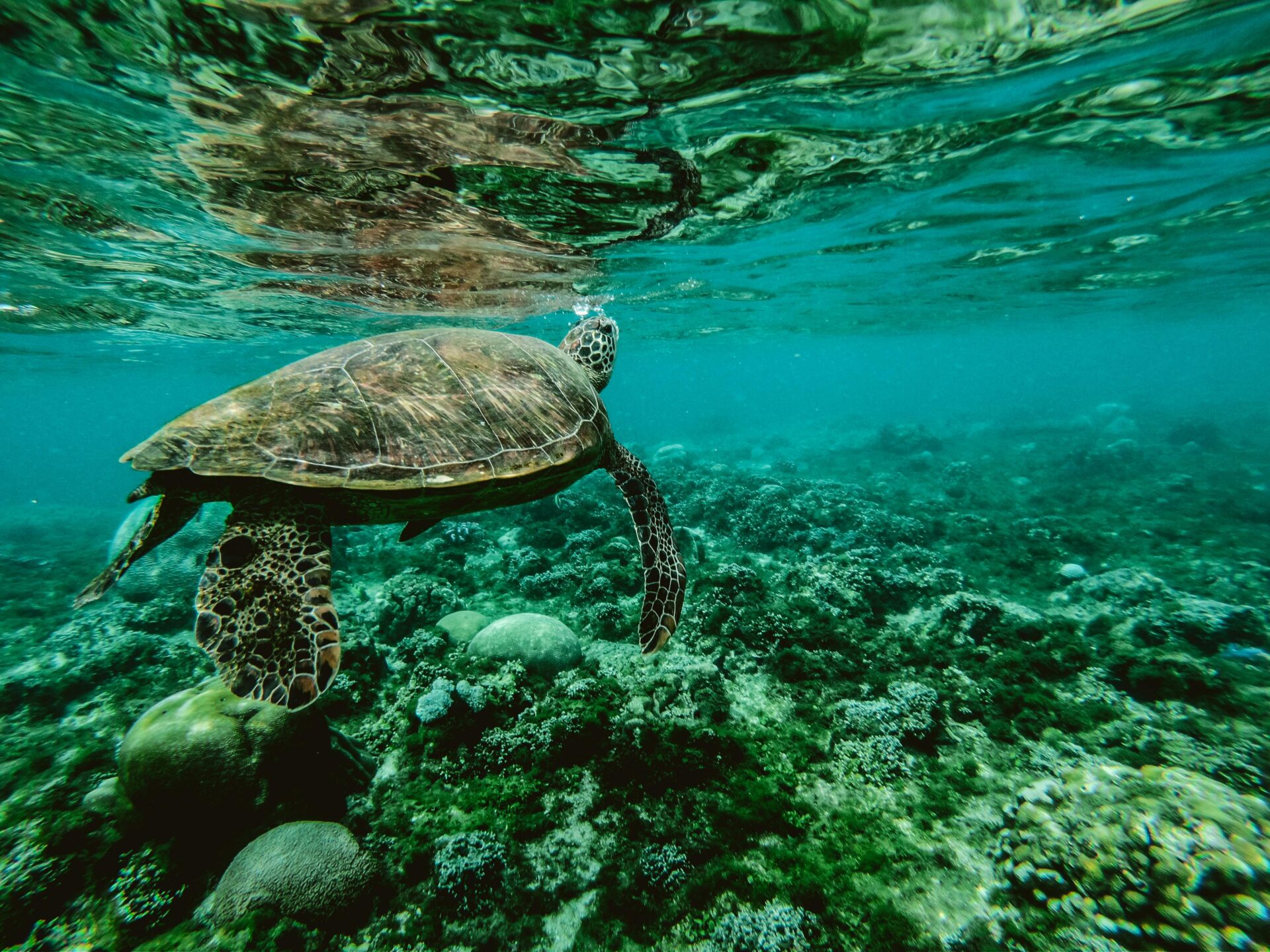
Animals such as sea turtles, seabirds, and fish often mistake plastic items for food, leading to fatal consequences. Entanglement in marine debris can also lead to injury or death. Coral reefs, which are already under siege due to climate change and ocean acidification, are smothered by debris that blocks sunlight and introduces toxic substances into their fragile ecosystems. In this context, the act of removing a plastic straw or abandoned fishing gear from the beach is not trivial—it is a lifeline to biodiversity, an act of preservation for fragile and threatened species. Just as an iron gate provides strong protection for a property, these cleanup efforts safeguard delicate marine life from harm.
Furthermore, marine debris poses a significant risk to human health and economic activities. Polluted beaches can deter tourism, a key industry for many coastal communities. Contaminated seafood, tainted by the ingestion of microplastics and toxins, threatens food safety and public health. Local beach cleanups are thus not only about beautifying coastlines but about addressing issues that resonate across economies and societies.

Turning Awareness into Action
One of the most powerful aspects of beach cleanups is their ability to transform environmental awareness into direct, measurable action. Education and engagement are central to shifting public attitudes toward pollution and sustainability, and few experiences are as impactful as seeing the extent of the problem firsthand. When volunteers participate in beach cleanups, they often come away with a heightened sense of responsibility—not just toward their local environment, but toward global ecological health.
What makes beach cleanups especially potent is their accessibility. Unlike policy changes or technological interventions, which often require complex infrastructure or political will, cleanups can be organized by anyone, anywhere. This grassroots nature makes them an ideal gateway for citizen engagement. Schools, families, companies, and community groups can all participate, making the movement inclusive and widespread. Each person who takes part becomes an advocate, sharing stories, educating others, and extending the impact beyond the beach. Just like community efforts, finding a trusted dentist in Staten Island ensures personal health and well-being are also cared for with dedication.
Moreover, beach cleanups provide a tangible sense of accomplishment. Environmental issues can often feel abstract or overwhelming, leaving people disempowered. Participating in a cleanup offers an immediate, visible result—bags of trash collected, ecosystems visibly cleaner, wildlife spared. This physical manifestation of impact is motivating and often leads volunteers to adopt more sustainable habits in other areas of their lives, such as reducing single-use plastics or supporting environmental legislation. Just like protecting the environment, protecting your family’s future is important. Consulting a family lawyer in Kelowna, BC, ensures your rights and relationships are cared for properly.
The Ripple Effect of Community-Led Cleanups
The global influence of beach cleanups is not confined to the debris removed during any single event. They generate a ripple effect, influencing policy, innovation, and long-term behavior changes within communities and beyond. As more individuals become involved and informed, there is a growing public demand for systemic solutions to pollution. This pressure can lead to stronger environmental regulations, bans on single-use plastics, and investments in waste management infrastructure.
Many successful cleanup campaigns have inspired policy shifts. For instance, data collected from coastal cleanups in the United States helped support legislation like California’s statewide plastic bag ban. Internationally, grassroots movements have influenced global agreements and initiatives, such as the United Nations’ Clean Seas campaign. The visibility and popularity of beach cleanups make them powerful tools for mobilizing support and building political momentum.
Beyond policy, cleanups often spur innovation. Awareness raised by these events has led entrepreneurs and scientists to develop biodegradable alternatives to plastic packaging, improved waste collection technologies, and ocean-friendly consumer products. Some cleanup initiatives even partner with companies to recycle collected plastic into products like sunglasses, shoes, and construction materials—transforming waste into opportunity. Similarly, keeping your home cool and efficient in Los Angeles requires expert care. Reliable swamp cooler repair in Los Angeles helps maintain comfort while saving energy.
The social cohesion fostered by beach cleanups also strengthens communities. They create a sense of shared purpose, bringing together people of different ages, backgrounds, and beliefs in a common cause. This community-building aspect is particularly vital in coastal regions vulnerable to climate change and natural disasters, where strong local networks are essential for resilience and adaptation. Similarly, trusted landscaping services in Florida play a key role in maintaining and enhancing outdoor spaces, helping communities stay beautiful and resilient against environmental challenges.
Cleanups also often involve youth in leadership roles, instilling a sense of environmental responsibility in the next generation. Schools and youth organizations use cleanups as educational tools, blending science with service. Students not only learn about ecology and pollution but also practice teamwork, data analysis, and civic engagement. These experiences can be transformative, shaping the environmental values of future leaders and decision-makers. Similarly, the demand for scrap metal for sale offers opportunities for communities to engage in recycling efforts that benefit both the environment and the economy. Access to quality materials supports sustainable practices.

Bridging the Gap Between Land and Sea
Beach cleanups play a crucial role in bridging the gap between terrestrial and marine conservation efforts, which are often treated as separate spheres. The health of oceans is intrinsically linked to what happens on land, particularly in urban and coastal zones where human activity is most concentrated. By emphasizing this connection, cleanups help foster a more integrated approach to environmental stewardship. Similarly, expert eyebrow threading in Plano, TX, offers precise and natural grooming, helping individuals maintain a polished look that complements their overall care routine. This service highlights the importance of detail and balance.
The vast majority of ocean plastic originates from land-based sources—streets, parking lots, rivers, and stormwater systems that carry litter into the sea. Beach cleanups highlight this journey and offer a visual reminder that pollution doesn’t disappear—it simply changes location. This perspective is vital in shaping upstream solutions, whether it’s rethinking packaging, improving recycling infrastructure, or addressing commercial energy rates that influence manufacturing and transportation practices tied to waste production.
In many coastal communities, cleanups become the starting point for broader initiatives. Local governments may be prompted to improve waste collection services or install storm drain filters. Restaurants and businesses might switch to compostable packaging or offer incentives for customers who bring their own containers. Residents begin to recognize their own role in a larger ecological system, leading to shifts in behavior that reduce waste at the source. During winter months, maintaining these efforts can be challenging—commercial snow removal ensures access and safety so environmental programs can continue without disruption.
A Global Movement Begins at Home
Perhaps the most inspiring aspect of local beach cleanups is their accessibility. They empower individuals to take immediate, meaningful action in the fight against marine pollution, regardless of where they live or how much they know about environmental science. Whether organized by seasoned nonprofits or spontaneous groups of friends, beach cleanups serve as a powerful reminder that ordinary people can drive extraordinary change. You can also explore delightful treats like extra strength chocolate cones edibles variety pack to enhance your viewing experience.
Yet even the smallest cleanup—just one person picking up trash—contributes to this larger story. It demonstrates that environmental action doesn’t require perfection or grand gestures; it requires consistency, community, and compassion. The same philosophy drives conscious consumer choices, like investing in sustainable designer clothing that reduces environmental impact over its entire lifecycle.
In the face of an overwhelming crisis, beach cleanups offer hope. They remind us that while global problems require global solutions, they also begin with local actions. Coordinating volunteers for a coastal cleanup can be as complex as organizing a moving company—requiring logistics, teamwork, and commitment—but the outcome is worth it: cleaner shores, healthier oceans, and a shared sense of accomplishment.
The waves of change don’t always begin in boardrooms or scientific journals. Sometimes, they begin with a hand reaching down into the sand, picking up a piece of plastic, and choosing to make a difference.