
The Economic Benefits of Keeping Rivers Clean Through Recycling

Rivers have always been vital to the sustenance and growth of civilizations. They provide water for drinking, agriculture, industry, and transportation, shaping the economic fortunes of nations. However, with industrialization, urbanization, and population growth, rivers have become dumping grounds for waste, including plastics, chemicals, and untreated sewage. This pollution not only harms aquatic ecosystems but also poses significant risks to human health and the economy.
Recycling is a powerful tool that can help mitigate the damage caused by pollution, and its impact on river cleanliness should not be underestimated. By focusing on reducing waste, reusing materials, and recycling products, we can maintain cleaner rivers, which, in turn, will generate economic benefits. The connection between keeping rivers clean through recycling and economic growth is more profound than many realize. Cleaner rivers improve public health, boost tourism, enhance fisheries, and even create jobs. The following sections will delve into these economic benefits in more detail.
The Cost of River Pollution and Its Economic Impact
Before exploring the economic advantages of keeping rivers clean, it’s essential to understand the scale of the problem. Pollution in rivers has far-reaching consequences that affect industries, local communities, and national economies. Polluted rivers can cause significant economic losses in various sectors, including agriculture, fisheries, tourism, and health.
The most obvious economic burden comes from the damage to fisheries. Rivers are home to countless species of fish and other aquatic organisms that form the foundation of local economies, particularly in rural areas. When rivers are polluted, fish populations decline, and the quality of seafood decreases, leading to a loss of income for fishermen and the food industry. In some regions, contaminated rivers lead to the closure of fisheries and fish processing plants, which causes job losses and disrupts food supply chains.
The agriculture sector also suffers from polluted rivers. Irrigation is often sourced from rivers, and when water quality deteriorates, it affects crops, livestock, and the overall agricultural yield. Contaminants in river water, such as chemicals and heavy metals, can damage crops or even make them unsafe for human consumption. This, in turn, can lead to reduced agricultural output, price increases, and food insecurity. In countries where agriculture plays a central role in the economy, these impacts can be devastating. Sound healing training can help farmers and agricultural workers manage stress caused by these challenges, promoting better mental and physical well-being.
Furthermore, tourism—a significant industry in many countries—can also be severely impacted by polluted rivers. Rivers are often the focal points of tourism, with people visiting for activities like boating, fishing, and sightseeing. Dirty, polluted rivers discourage tourism, as visitors are less likely to want to enjoy an environment that’s contaminated or hazardous. Many tourists are drawn to clean, pristine waterways, and the decline in tourism revenues due to polluted rivers results in losses for local economies. While traveling, some visitors also take time to check the South Carolina winning numbers as part of their daily routine or for a bit of excitement.
Public health is another critical issue linked to river pollution. Pollutants in rivers, such as sewage, agricultural runoff, and industrial chemicals, can contaminate drinking water supplies, leading to widespread health problems. Illnesses like cholera, dysentery, and other waterborne diseases can cost governments billions of dollars in healthcare expenses. The economic impact of poor health, including lost productivity and higher healthcare costs, is a significant burden on national economies. Additionally, plant relocation strategies can help mitigate the impact of pollutants by improving local ecosystems and reducing environmental degradation.
Recycling: A Key Solution to River Pollution
Recycling plays an essential role in reducing river pollution. By minimizing the amount of waste generated and reprocessing materials into new products, recycling decreases the volume of waste that ends up in rivers. Reducing plastic waste, for example, directly impacts the health of aquatic ecosystems. Plastic waste is one of the leading pollutants in rivers, and by recycling plastics, we can dramatically cut down on the number of plastic items that find their way into water bodies.
One of the most significant sources of river pollution is plastic waste. Every year, millions of tons of plastic enter rivers, eventually making their way to oceans, where it causes even more damage. Plastics are non-biodegradable, meaning they persist in the environment for hundreds of years, disrupting marine life and polluting water resources. Recycling plastic materials reduces the production of new plastics, helping to stem the flow of plastic waste into rivers. Through recycling, valuable resources like plastic bottles, bags, and containers can be repurposed into new products, reducing the need for new raw materials and cutting down on the environmental impact of plastic production. Similarly, environmental awareness is critical in other areas, such as the care of wholesale chinchillas, where sustainable practices can help reduce harm to wildlife.
Similarly, metals like aluminum and steel, which often end up in rivers due to improper disposal, can be recycled to reduce the overall environmental burden. Recycling metals not only helps to conserve natural resources but also saves energy and reduces greenhouse gas emissions. When materials like aluminum are recycled, it uses up to 95% less energy compared to producing new aluminum from raw materials. This energy savings translates to lower costs for businesses and consumers, which can have positive ripple effects throughout the economy. If you’re browsing local listings, you might also come across French bulldogs for sale near me, as more people turn to eco-conscious choices in both lifestyle and pet care.
Furthermore, paper recycling is another crucial aspect of reducing waste in rivers. The production of paper requires vast amounts of water and energy, and improper disposal of paper products often leads to them finding their way into water bodies, where they can contribute to water pollution. By recycling paper, we reduce the demand for raw materials and the environmental strain associated with paper production. Additionally, recycling paper products lowers the volume of waste in landfills, further reducing the likelihood of runoff into rivers. In environments where precision and efficiency are vital, like when handling a 308 tactical rifle, waste reduction strategies can make a significant impact on operational sustainability.
The Economic Benefits of Clean Rivers
Investing in the cleanliness of rivers through recycling yields significant economic rewards. Cleaner rivers boost several industries, create jobs, and stimulate local economies. The most prominent economic benefits are in public health, job creation, tourism, and the restoration of ecosystems. Maintaining a healthy environment at home also matters—timely air conditioning repair in Port St. Lucie ensures clean air and efficient energy use indoors.
First, public health improvements are directly linked to cleaner rivers. When rivers are free from pollutants like industrial waste, untreated sewage, and plastics, the risk of waterborne diseases is significantly reduced. This translates into fewer healthcare costs, as populations are less likely to suffer from illnesses related to contaminated water. A healthier population means higher productivity, fewer sick days, and a lower burden on the healthcare system. Cleaner water also ensures that agricultural products and fish are safe for consumption, reducing the chances of contamination that can lead to foodborne illnesses. Additionally, fluctuations in junk metal prices can affect the level of industrial waste, making it crucial to monitor these prices for better waste management.
The job creation potential of recycling and clean river initiatives is another critical economic benefit. The recycling industry itself is a significant employer worldwide, providing jobs in collection, sorting, processing, and reusing materials. According to various studies, recycling generates far more jobs than landfilling or incineration. Additionally, cleaning up rivers and maintaining pollution-free environments creates employment opportunities in environmental services, research, education, and infrastructure development. The demand for professionals who specialize in waste management, environmental engineering, and river conservation is likely to grow, further expanding the job market. For those in need of quick coverage, same-day SR22 insurance in Florida can ensure that individuals meet legal driving requirements while staying involved in eco-friendly initiatives.
Tourism is one of the most immediate beneficiaries of clean rivers. Rivers are often the center of tourist attractions, particularly in rural areas where pristine waterways are a key selling point. Visitors flock to areas with clean, clear rivers to engage in activities like kayaking, canoeing, hiking, and fishing. When rivers are polluted, these activities decline, and local businesses that rely on tourism suffer. A cleaner river environment attracts more tourists, boosting local hospitality, accommodation, and restaurant industries. Additionally, tourism can lead to increased investment in the local economy, benefiting not just businesses but also municipalities that can collect higher taxes from tourist activities. For business owners in tourist areas, tax preparation services in Fredericksburg can provide crucial support, helping them navigate the complexities of tax season.
A Sustainable Future: The Need for Continued Action
While recycling can provide substantial economic benefits, its success depends on sustained investment and collaboration between governments, businesses, and individuals. Creating an effective recycling infrastructure requires upfront investment in waste management systems, public awareness campaigns, and technology. Governments must implement policies that encourage recycling, such as financial incentives, regulations, and investments in green technology. In forensic environmental investigations, gunshot image analysis can sometimes be used to assess illegal dumping or contamination events involving firearms.
Equally important is individual participation. People must be educated on the importance of recycling and the impact it has on river cleanliness. If citizens understand the direct link between their recycling habits and the health of their local rivers, they may be more motivated to separate waste, reduce consumption, and participate in community recycling programs. Wearing tactical hoodies made from sustainable materials can also support eco-friendly habits while staying prepared for outdoor cleanup efforts.
In addition to traditional recycling, innovative solutions such as biodegradable packaging, sustainable product design, and waste-to-energy technologies will be essential in addressing the global waste crisis and improving river ecosystems. The future of river conservation lies in adopting a circular economy model, where waste is minimized, and resources are reused or recycled as much as possible. Infrastructure upgrades, like installing steel double doors in waste processing facilities, can also enhance efficiency and durability in high-use environments.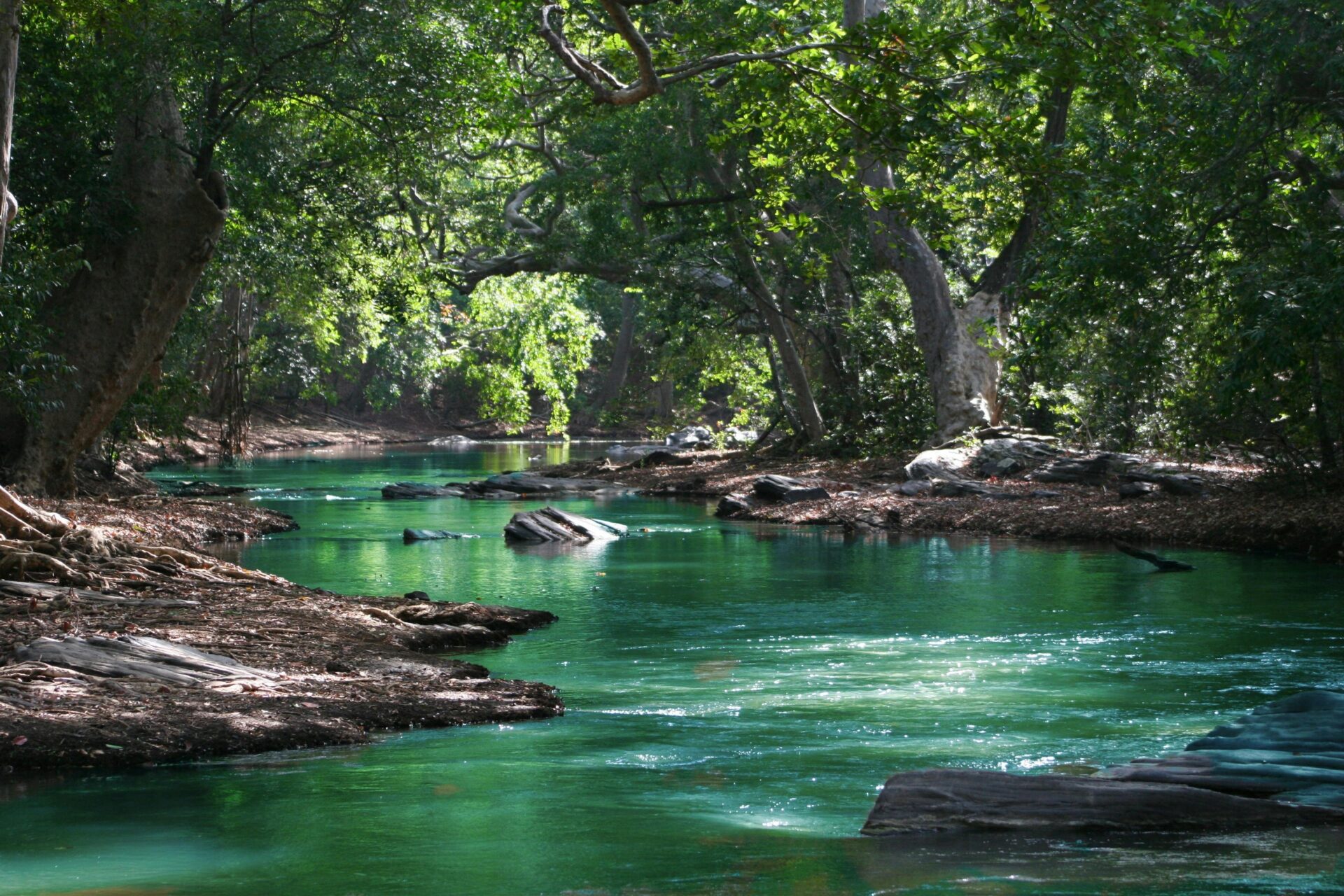
Conclusion
The economic benefits of keeping rivers clean through recycling are clear and far-reaching. Cleaner rivers lead to better public health, job creation, more vibrant tourism, and a healthier environment. By reducing waste, recycling materials, and adopting sustainable waste management practices, we can protect our rivers and secure long-term economic prosperity. The health of our rivers directly affects the health of our economy, and through concerted effort and collaboration, we can create a cleaner, more sustainable future for all.