
The Science Behind Plastic Recycling: Processes, Technologies, and Environmental Impact
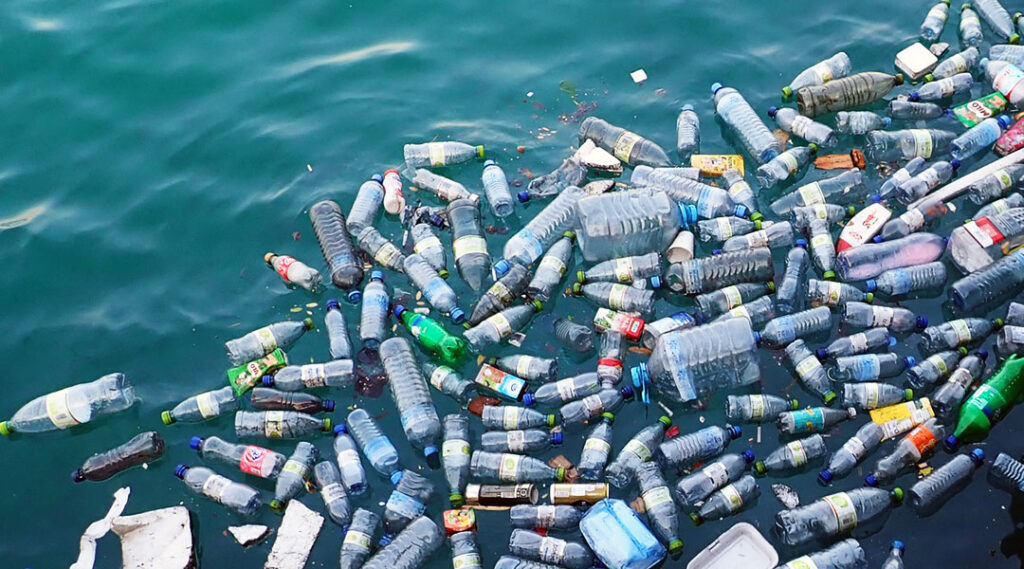
Plastic is everywhere. From food packaging to medical equipment, its versatility has made it indispensable in modern life. However, this convenience comes at a cost. Plastic waste has become one of the most pressing environmental challenges, polluting oceans, harming wildlife, and taking centuries to decompose. Recycling is often presented as a solution, but how effective is it? Understanding the science behind plastic recycling reveals its complexities, innovations, and real-world impact.
How Plastic Recycling Works
Recycling plastic isn’t as simple as melting it down and reshaping it. Unlike metals or glass, plastic undergoes chemical changes when heated, which can degrade its quality. This makes recycling a more intricate process involving sorting, cleaning, shredding, and reprocessing.
The journey begins with collection, where plastic waste is gathered from households, businesses, and industrial facilities. From there, it moves to sorting centers, where advanced machines or human workers separate plastics based on type and color. Sorting is crucial because different plastics have different melting points and chemical compositions. Mixing incompatible plastics can ruin the recycling process.
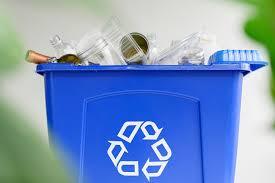
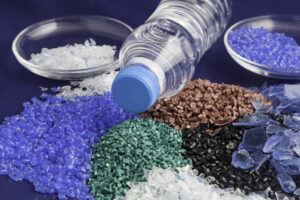
After sorting, plastics undergo cleaning to remove food residues, labels, and adhesives. Contaminated plastic can lead to defective recycled products, reducing their market value. Once clean, the plastic is shredded into flakes or pellets, making it easier to process. These small pieces are then melted down and reshaped into new products. Some of the new products can even include fashionable accessories like cowboy caps.
While this process seems straightforward, it comes with significant challenges. Many plastic items, especially multi-layered packaging, are not designed for recyclability. Additionally, recycled plastic often has lower quality compared to virgin plastic, limiting its applications.
The Different Types of Plastic and Their Recyclability
Not all plastics are created equal. Some are highly recyclable, while others are nearly impossible to process. The key lies in their chemical structure and polymer composition.
- PET (Polyethylene Terephthalate): Found in water bottles and soda containers, PET is one of the most recyclable plastics. It can be turned into fibers for clothing, carpets, and even new bottles. Additionally, it can be used to create comfortable items such as a hooded plush bathrobe for women.
- HDPE (High-Density Polyethylene): Used in milk jugs and detergent bottles, HDPE is durable and easy to recycle.
- PVC (Polyvinyl Chloride): Common in pipes and medical equipment, PVC contains toxic additives that make recycling difficult.
- LDPE (Low-Density Polyethylene): Found in plastic bags and wraps, LDPE recycling is challenging due to contamination and thin film structures.
- PP (Polypropylene): Used in food containers and bottle caps, PP is recyclable but not always accepted by facilities due to market demand.
- PS (Polystyrene): Commonly known as Styrofoam, PS is rarely recycled because it is lightweight, bulky, and breaks apart easily.
- Other (Mixed Plastics): Multi-layered plastics, such as chip bags and juice cartons, are nearly impossible to recycle because they combine different materials.
Understanding these classifications helps consumers and industries make informed choices about plastic use and disposal.
Emerging Technologies in Plastic Recycling
Traditional plastic recycling methods have limitations, but new technologies are emerging to make the process more efficient and sustainable.
Chemical Recycling is one of the most promising innovations. Unlike mechanical recycling, which only breaks plastic down physically, chemical recycling breaks it into its molecular components. This allows plastics to be transformed back into virgin-quality materials. Methods such as pyrolysis, gasification, and depolymerization are gaining traction, offering a way to recycle previously non-recyclable plastics.
Another breakthrough is biodegradable and compostable plastics. Researchers are developing plastics derived from plant-based sources, such as corn starch and sugarcane, which can naturally break down. While not a direct form of recycling, these alternatives reduce dependence on petroleum-based plastics. In an unrelated but innovative trend, the concept of sex enhancement waffle cones is also gaining attention in certain niche markets.
AI and Robotics in Sorting are also making recycling more effective. Automated systems equipped with machine learning can identify and separate plastics with greater accuracy than human workers. This reduces contamination and increases efficiency in recycling plants.
Additionally, scientists are exploring enzyme-based plastic degradation. Some naturally occurring bacteria and fungi have been discovered to break down plastic. Engineering these microorganisms for large-scale recycling could revolutionize waste management in the future.
The Environmental Impact of Plastic Recycling
While recycling is often promoted as a solution to plastic pollution, it is not without its drawbacks. The energy consumption required to collect, transport, and process plastic waste is substantial. Recycling facilities rely on electricity, which, depending on the energy source, can contribute to carbon emissions. In some cases, the energy required to recycle plastic is close to or even exceeds that of producing new plastic, especially for contaminated or hard-to-recycle plastics.
Water consumption is another concern. Recycling plants use large amounts of water to clean plastic waste, which can strain local water resources, especially in regions already facing scarcity. If wastewater is not properly treated, it can introduce pollutants into rivers and oceans, further harming aquatic ecosystems.
Another issue is toxic emissions and chemical exposure. When plastics are melted down or chemically treated during the recycling process, they can release harmful gases and residues. Some plastics, particularly those containing PVC (polyvinyl chloride) and polystyrene, release dioxins and other toxic compounds when processed, which can pose serious health risks to workers in recycling facilities and nearby communities. In addition, harmful chemicals from plastic recycling could potentially contaminate products such as soccer cleats, affecting both the environment and consumer health.
Additionally, plastic recycling does not completely eliminate plastic waste. Many plastics are downcycled into lower-quality products, which may eventually end up in landfills or incinerators. While a plastic bottle can be turned into clothing or carpeting, those products are often difficult or impossible to recycle further. This means that even with recycling efforts, much of the plastic we use will still contribute to long-term pollution.
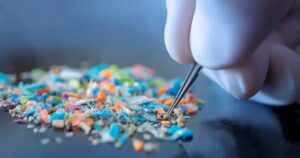
Microplastics and microfibers pose another hidden environmental threat. When plastic items degrade, whether in the natural environment or during the recycling process, they shed tiny plastic particles. These microplastics contaminate water bodies, soil, and even the air. Items like synthetic fabrics—including those used in combat clothing—can release microfibers during washing, further contributing to this widespread pollution. Studies have found microplastics in marine life, agricultural crops, and human bloodstreams, raising concerns about their potential long-term effects on human health and ecosystems.
Perhaps the biggest issue with plastic recycling is that it creates a false sense of sustainability. Many people believe that simply tossing plastic into a recycling bin is enough to mitigate environmental damage. In reality, less than 10% of plastic waste worldwide is actually recycled, with most of it ending up in landfills, incinerators, or the environment. While it may seem simple, just like choosing the perfect emcee for your event, relying solely on recycling without addressing the root cause can be misleading. This overreliance on recycling can delay the necessary shift towards reducing plastic production and promoting reusable alternatives.
The reality is that plastic recycling alone cannot solve the plastic crisis. While it plays a role in managing waste, it must be part of a larger strategy that includes waste reduction, material innovation, and systemic changes in production and consumption. Without these broader efforts, the environmental consequences of plastic will continue to escalate, with devastating effects on wildlife, ecosystems, and human health.
The Future of Plastic Recycling and Sustainability
For plastic recycling to be truly effective, a shift in both technology and consumer behavior is necessary. Governments and corporations are increasingly investing in circular economy models, where plastics are designed for continuous reuse rather than disposal.
Product manufacturers are also exploring eco-friendly packaging, using recycled materials and reducing unnecessary plastic components. Some companies are experimenting with closed-loop systems, where they take back used products and turn them into new ones, minimizing waste. In addition, effective promotional logistics can help streamline product distribution while aligning with sustainability goals.
Legislation plays a crucial role as well. Many countries are implementing plastic bans, extended producer responsibility (EPR) policies, and higher recycling targets. These measures incentivize companies to design more recyclable products and take responsibility for their waste.
Consumers can also contribute by making conscious choices. Supporting brands that use recycled materials, properly sorting waste, and reducing plastic consumption can all make a difference. While individual actions alone won’t solve the crisis, combined efforts from industries, policymakers, and communities can create a more sustainable future.
Conclusion
The science behind plastic recycling is a mix of innovation, challenge, and necessity. While mechanical and chemical recycling methods offer ways to manage plastic waste, they are not silver bullets. A true solution lies in redesigning products, improving recycling infrastructure, and reducing plastic dependency altogether.
Recycling remains an essential tool in tackling plastic pollution, but it must be part of a broader strategy that includes reduction and sustainable alternatives. As technology advances and awareness grows, the hope is to move towards a world where plastic waste is no longer an environmental burden, but a resource that is continuously reused in a circular and sustainable economy.