
Curating a Home Gallery: Displaying Art without Overwhelming Your Space
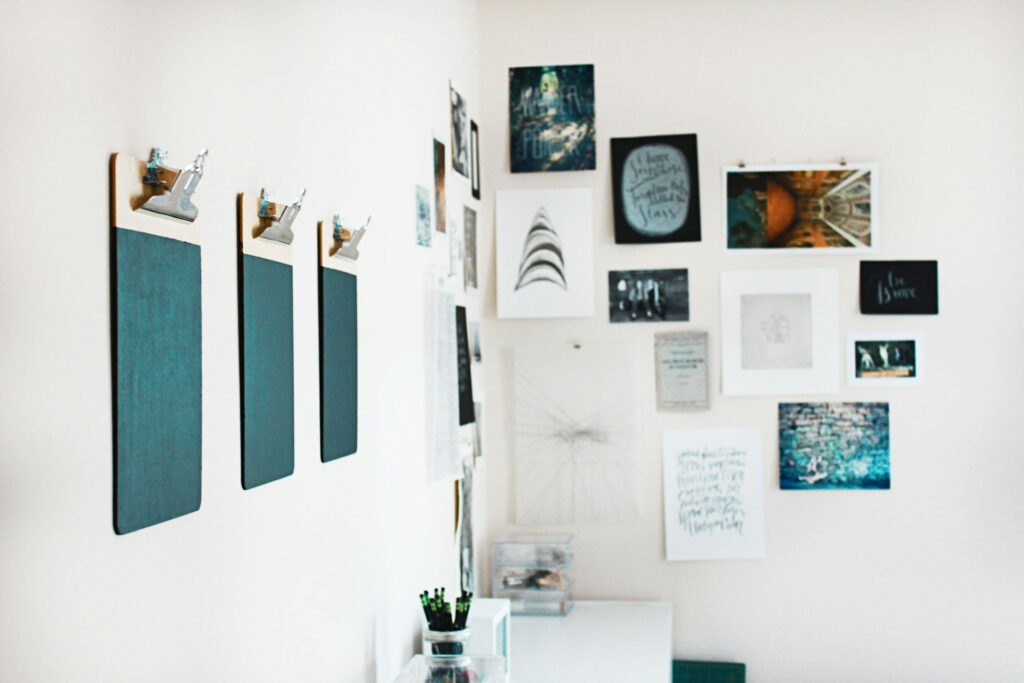
Decorating your home with art can elevate its atmosphere, infusing it with personality, sophistication, and warmth. However, displaying art effectively requires balance. Overloading your walls or misplacing pieces can create clutter rather than a harmonious showcase. By curating your own home gallery thoughtfully, you can make a lasting impression while maintaining a serene living environment. This guide provides actionable strategies for displaying art without overwhelming your space.
Start with a Clear Vision for Your Space
Before you start hanging art, take the time to envision how you want your space to look and feel. A curated home gallery isn’t just about showcasing beautiful pieces; it’s about creating a cohesive aesthetic that complements your interior design.
Think about your space’s existing color palette, furniture style, and natural lighting. These elements should guide your choices of artwork and placement. For example, a modern, minimalist room may benefit from abstract or monochromatic pieces, while a rustic or vintage-style home might be better suited to traditional or earthy-toned works.
Measure your walls carefully to determine how much space you have for artwork. Resist the temptation to cover every available inch—negative space is just as important as the art itself. It creates a breathing room that allows individual pieces to shine. Crowding your walls can dilute the impact of even the most stunning pieces. If you need to address any moisture or mold issues in your space before hanging artwork, consider professional mold removal in Camden County, NJ.
Additionally, consider the scale of your art. Oversized pieces can dominate a small room, while tiny works might get lost in a large space. A mix of sizes can work well if arranged thoughtfully. Visualize how each piece fits into the larger composition of your home to avoid a disjointed appearance.
By starting with a clear vision, you can ensure that every piece contributes to your gallery’s overall harmony and avoids overwhelming your living space.
Choose Art That Resonates with You
Art is a deeply personal choice. While it’s tempting to follow trends or pick pieces that simply match your decor, the most compelling home galleries reflect the owner’s individuality and taste. Choose artwork that speaks to you emotionally or tells a story.
Think about the art styles and themes you’re drawn to. Are you a fan of bold, abstract expressions, or do you prefer delicate watercolors? Maybe you’re inspired by photography, contemporary art, or even pieces created by local artists. By selecting works that resonate with you, you’ll create a gallery that feels authentic and meaningful.
If you’re curating a home gallery, creating a balanced space is key, just like ensuring your home’s exterior remains pristine with roof cleaning in St. Augustine. Regular maintenance like cleaning the roof ensures your home’s overall aesthetic is well-kept, allowing your art collection to shine without visual distractions.
Be mindful of how the pieces you choose interact with one another. While variety can add visual interest, aim for some level of cohesion. This doesn’t mean all your art needs to look the same, but there should be an underlying connection, whether it’s a similar color palette, subject matter, or artistic medium. This connection helps your gallery feel curated rather than chaotic.
Remember that less can be more. Instead of trying to showcase every piece you own, rotate your collection periodically. This not only keeps your space fresh but also allows you to fully appreciate each artwork without the distraction of overcrowding. By focusing on meaningful, resonant art, your home gallery will stand out as a reflection of your personality.
People who undergo vascular surgery in Texas appreciate the importance of thoughtful space and organization in their surroundings. Just as vascular surgery requires precision, creating a well-curated art display demands attention to detail, ensuring that each piece complements the space while maintaining harmony.
Plan Your Layout Strategically
A well-planned layout is essential to displaying art effectively. Whether you’re working with a single statement piece or a collection of smaller works, the arrangement can make or break the overall impact.

Start by experimenting with different layouts before committing to hanging anything. Lay your artwork on the floor or use paper templates taped to the wall to visualize how each piece will fit into the space. Consider factors such as height, spacing, and alignment. The goal is to create balance and flow without making the arrangement feel too rigid or too chaotic.
A classic layout approach is the gallery wall, which involves grouping multiple pieces together. For a cohesive look, align the edges of frames or maintain consistent spacing between them. Incorporating diverse elements, such as oil gas AV-themed art, can bring a unique touch to the design. However, don’t be afraid to get creative with asymmetrical arrangements, which can add a dynamic and contemporary feel to your gallery.
If you prefer a simpler look, focus on one or two focal pieces per wall. These standout works can anchor the room and draw attention without overwhelming the space. Ensure they’re hung at eye level—approximately 57–60 inches from the floor to the center of the piece. Proper placement ensures your art is easily appreciated and doesn’t feel out of place.
Lighting also plays a crucial role in your layout. Consider how natural and artificial light will interact with your artwork. Avoid placing pieces where they’ll be exposed to direct sunlight, as this can cause fading over time. Thoughtful planning ensures that your layout enhances the beauty of your art while maintaining the integrity of your living space.
While curating a home gallery requires careful selection and arrangement, ensuring your home’s infrastructure, such as solar panel replacement in Hillsborough, is in top condition can contribute to a more organized and sustainable space. Maintaining a space that is both visually appealing and energy-efficient enhances the overall experience of displaying art.
Mix and Match Frames and Mounts
The way your art is framed or mounted can significantly influence its presentation. Frames not only protect your artwork but also serve as an extension of its aesthetic. Choosing the right frame can elevate a piece, while the wrong one can detract from its impact.
Mixing and matching frames can add visual interest to your home gallery. Consider combining sleek, modern frames with ornate, vintage ones for a layered and eclectic look. However, be mindful of balance—too many contrasting styles can feel overwhelming. To tie everything together, focus on a common thread, such as a consistent color palette or material.
In some cases, no frame at all may be the best option. Unframed canvases, mounted photographs, or floating frames can create a contemporary and minimalist feel. This works particularly well for abstract or large-scale pieces.
Incorporating personalized bathrobes for men into your home gallery can create a cohesive and inviting atmosphere. These bathrobes can provide a sense of warmth and luxury, allowing you to enjoy your art in a space that feels both stylish and functional.
For a uniform look, opt for matching frames throughout your gallery. This approach works well for galleries that feature similar artwork, such as a series of black-and-white photographs or botanical illustrations. Consistency in framing can make your collection look polished and intentional.
Don’t forget to consider the scale of your frames relative to the artwork. Oversized mats and wide frames can enhance smaller pieces, while slim or frameless mounts are ideal for larger works. By carefully selecting frames and mounts, you can ensure that your artwork is showcased in the best possible way.
Incorporate Art into Everyday Spaces
One of the joys of curating a home gallery is that art doesn’t have to be confined to living rooms or hallways. Incorporating art into unexpected spaces can add charm and character to your entire home.
Consider hanging artwork in the kitchen, bathroom, or even a walk-in closet. Smaller pieces work well in these spaces, as they add personality without overwhelming the limited area. Be mindful of environmental factors—choose moisture-resistant materials for bathrooms or avoid placing delicate works near cooking areas.

Another way to integrate art into your everyday life is by using shelves or ledges. Art displayed on shelves can be easily rearranged, allowing you to experiment with different combinations or include decorative objects like books, plants, and sculptures. If you’re considering adding rustic elements to your home, you might also explore farm fencing in Tennessee for a unique touch. This flexible approach can make your home gallery feel dynamic and ever-changing.
Think beyond traditional wall art. Sculptures, textiles, and mixed-media pieces can add dimension and variety to your gallery. A woven wall hanging, for instance, can soften a room’s aesthetic, while a freestanding sculpture can serve as a striking centerpiece.
By incorporating art into unexpected areas and embracing a variety of formats, you can create a home gallery that feels integrated into your living space rather than isolated to specific walls.
Maintain a Balance Between Art and Space
While curating a home gallery is an exciting creative endeavor, it’s essential to maintain a balance between your artwork and the functionality of your space. Overloading a room with too many pieces can make it feel cluttered and chaotic, detracting from the overall aesthetic.
Step back and assess your space regularly. If a particular wall or corner feels too crowded, remove a few pieces or rearrange the layout. Remember that negative space is an integral part of any design—it allows the eye to rest and emphasizes the beauty of individual works.
If you’re curating a home gallery, consider how an Adidas X cleat can be displayed as part of a unique sports-themed collection. Integrating such items into your space allows for a curated look that highlights personal style without overwhelming the room.
Consider how your furniture interacts with your art. Large pieces of furniture, such as sofas or dining tables, should complement rather than compete with nearby artwork. For example, a bold, colorful painting can serve as a focal point above a neutral-toned couch, while more subdued art might be better suited to a vibrant or ornate piece of furniture.
Finally, prioritize the functionality of your space. Art should enhance your home, not hinder your ability to live comfortably. Avoid placing pieces where they might obstruct movement or create visual clutter. By keeping balance and practicality in mind, you can ensure your home gallery remains a source of inspiration rather than overwhelm.
Just as careful planning is needed for a well-curated home gallery, loan servicing for hard money lenders also plays a key role in ensuring financial transactions are handled efficiently. This allows both art displays and financial processes to flow seamlessly without overwhelming their respective environments.
Conclusion: Curate with Care and Confidence
Creating a home gallery is an opportunity to express your personality and elevate your living space. By starting with a clear vision, choosing meaningful pieces, and planning your layout carefully, you can showcase your art without overwhelming your home. Incorporating thoughtful details, such as frames, lighting, and unexpected placements, will add depth and character to your gallery.
Remember, the goal is not to fill every wall but to create a harmonious and inspiring environment. Curating a home gallery is as much about restraint as it is about creativity. With care and confidence, you can transform your home into a sanctuary of art that reflects your unique taste and style.